Weekly Hebrew Review – property and ownership

חֹמֶר לְשִׁנּוּן[audioclip url=”https://archive.ulpan.com/wp-content/uploads/2014/10/review-1.mp3″ /]
Review Material

Can’t read Hebrew yet?

You spent time on your Hebrew this week.
Use these review materials to make it yours to keep.

Flashcards . Scatter . Space Race . Test
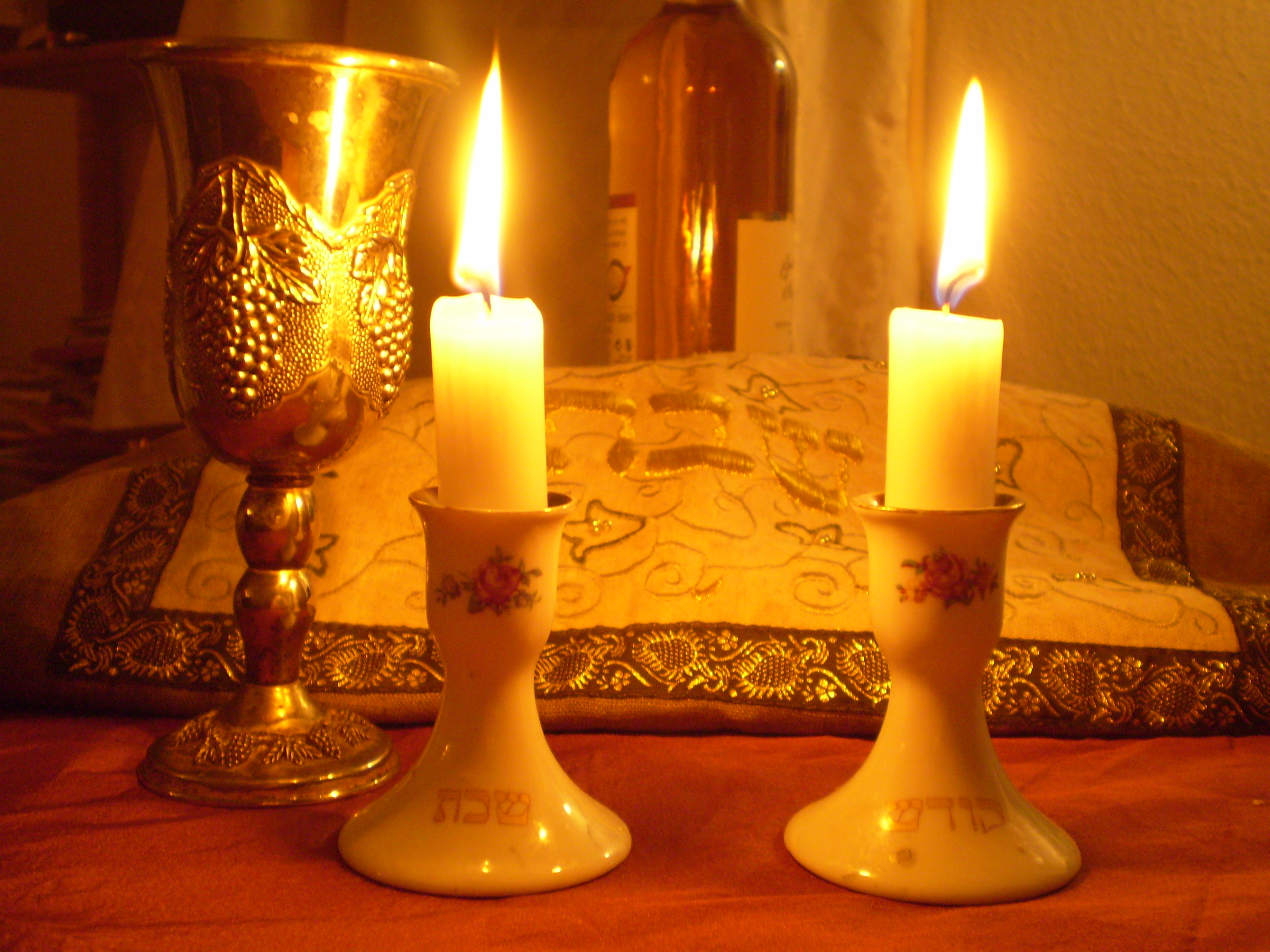
[audioclip url=”https://archive.ulpan.com/wp-content/uploads/2014/10/review-2.mp3″ /]שַׁבָּת שָׁלוֹם, וְסוֹף שָׁבוּעַ נָעִים!

Shabbat Shalom, and have a nice weekend!

Similar Posts

  • how to say “da best” in Hebrew

    Today's Video Below ⬇️ סוֹף הַדֶּרֶךְ Truth is, there's more than one way of saying "da best" (which Israelis tend to pronounce as "de best") in Hebrew: there's הכי טוב and הטוב ביותר, both literal translations of the best. There's the slightly exaggerated slang אין דברים כאלה - there's nothing like this. And there's another slang...
  • how to say “right-wing” and “left-wing” in Hebrew

    having trouble seeing the print? יְמָנִי, שְׂמֹאלָנִי Check Out Our Elections Vocab Builder With the Israel elections coming up in less than a week, you’ll be seeing some handy election-related Daily Doses over the next few days. The Hebrew word for right as in on the right is יָמִין, while the word for left is שְׂמֹאל For example: הוּא מְחַכֶּה…

  • how to say “swimming pool” in Hebrew

      בְּרֵכַת שְׂחִיָּה   Can’t read Hebrew yet?     I’m loving the warm weather here in Israel. It’s perfect for swimming, my favorite sport.   The Hebrew term for swimming is שְׂחִיָּה  , derived from the simple verb לִשְׂחוֹת   – to swim – of the root שׂ.ח.ה (s.kh.h).   And a pool is a בְּרֵכָה  ….

  • how to say “poetry” in Hebrew

    [audioclip url=”https://archive.ulpan.com/wp-content/uploads/2019/04/שירה-#.m4a” /]שִׁירָה If you’ve got some basic Hebrew, you probably know the word for song – שיר[audioclip url=”https://archive.ulpan.com/wp-content/uploads/2019/04/שירה-#.m4a” /]. You may also know the word for to sing – לשיר[audioclip url=”https://archive.ulpan.com/wp-content/uploads/2019/04/שירה-#.m4a” /], a hollow פעל verb. Now, since שיר refers not only to a song but also to a poem, the word for poetry is שירה[audioclip url=”https://archive.ulpan.com/wp-content/uploads/2019/04/שירה-#.m4a” /]. It’s also a…

  • how to say “acronym” in Hebrew

    [audioclip url=”https://archive.ulpan.com/wp-content/uploads/2019/05/ראשי-תיבות-#.m4a” /]רָאשֵׁי תֵּבוֹת In Hebrew, an acronym (letters that stand for words, such as CIA) is ראשי תיבות[audioclip url=”https://archive.ulpan.com/wp-content/uploads/2019/05/ראשי-תיבות-#.m4a” /] – literally, heads of words, where תיבות[audioclip url=”https://archive.ulpan.com/wp-content/uploads/2019/05/ראשי-תיבות-#.m4a” /] is a Mishnaic word for words. Hebrew is full of ראשי תיבות, which can be frustrating: [audioclip url=”https://archive.ulpan.com/wp-content/uploads/2019/05/ראשי-תיבות-#.m4a” /]ראשי תיבות לפעמים מרגישים כמו שפה בפני עצמה. Acronyms sometimes…

  • how to say “to trouble (someone)” in Hebrew

    [audioclip url=”https://archive.ulpan.com/wp-content/uploads/2019/09/להטריח-#.m4a” /]לְהַטְרִיחַ If לטרוח[audioclip url=”https://archive.ulpan.com/wp-content/uploads/2019/09/להטריח-#.m4a” /] means to go to the trouble, להטריח[audioclip url=”https://archive.ulpan.com/wp-content/uploads/2019/09/להטריח-#.m4a” /] – a causative הפעיל verb using the same root – means to trouble someone else. For example: [audioclip url=”https://archive.ulpan.com/wp-content/uploads/2019/09/להטריח-#.m4a” /]אני לא רוצה להטריח אותך, דוד, אבל אני צריך עזרה. I don’t want to trouble you, David, but I need help. Trouble – in the…