how to say “sweet!” in Hebrew (or Arabic)
![]() |
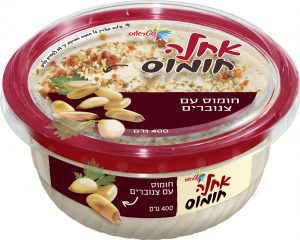
| אַחְלָה חוּמוּס
“Akhla” (brand) Humus
|
![]() |
| אַחְלָה חוּמוּס
“Akhla” (brand) Humus
|
[audioclip url=”https://archive.ulpan.com/wp-content/uploads/2014/10/נוחות-1.m4a” /]נוֹחוּת If נוח means comfortable in the physical sense, נוחות[audioclip url=”https://archive.ulpan.com/wp-content/uploads/2014/10/נוחות-1.m4a” /] means comfort. It also refers to ease or convenience, as in: [audioclip url=”https://archive.ulpan.com/wp-content/uploads/2014/10/נוחות-2.m4a” /]על נוחות צריך לשלם. For convenience, (one) has to pay. Some words that sound like נוחות but mean different things: נכות[audioclip url=”https://archive.ulpan.com/wp-content/uploads/2014/10/נוחות-3.m4a” /] – disability נחות[audioclip url=”https://archive.ulpan.com/wp-content/uploads/2014/10/נוחות-4.m4a” /] – inferior נוחיות[audioclip url=”https://archive.ulpan.com/wp-content/uploads/2014/10/נוחות-5.m4a” /] – a polite word…
[audioclip url=”https://archive.ulpan.com/wp-content/uploads/2021/02/קללות-#.m4a” /]מִילִּים גַּסּוֹת, קְלָלוֹת I grew up in Los Angeles, where half of my class in school spoke Farsi. As a youth, which words did I naturally I pick up? The curse words – in Hebrew, מילים גסות[audioclip url=”https://archive.ulpan.com/wp-content/uploads/2021/02/קללות-#.m4a” /] – literally coarse words, or simply קללות[audioclip url=”https://archive.ulpan.com/wp-content/uploads/2021/02/קללות-#.m4a” /] – curses. For example: [audioclip url=”https://archive.ulpan.com/wp-content/uploads/2021/02/קללות-#.m4a”…
[audioclip url=”https://archive.ulpan.com/wp-content/uploads/2020/10/סתווי-#.m4a” /]מֶזֶג אֲוִויר סְתָוִוי The Hebrew word for autumn or fall is סתיו[audioclip url=”https://archive.ulpan.com/wp-content/uploads/2020/10/סתווי-#.m4a” /], so autumnal or fall-like is סתווי[audioclip url=”https://archive.ulpan.com/wp-content/uploads/2020/10/סתווי-#.m4a” /]. For example: [audioclip url=”https://archive.ulpan.com/wp-content/uploads/2020/10/סתווי-#.m4a” /]מזג האוויר השתנה ומתחיל להיות סתווי. The weather has changed and it’s starting to be fall-like. As for the other seasons, here’s a glossary: חורף[audioclip url=”https://archive.ulpan.com/wp-content/uploads/2020/10/סתווי-#.m4a” /] – winter; חורפי[audioclip url=”https://archive.ulpan.com/wp-content/uploads/2020/10/סתווי-#.m4a”…
חֹמֶר לְשִׁנּוּן[audioclip url=”https://archive.ulpan.com/wp-content/uploads/2014/10/review-1.mp3″ /] Review Material You spent time on your Hebrew this week. Use these review materials to make it yours to keep. To take full advantage of the review material, click on “Choose a study mode” in the bottom right corner of the box above. [audioclip url=”https://archive.ulpan.com/wp-content/uploads/2014/10/review-2.mp3″ /]שבת שלום, וסוף…
נְקוּדַּת מוֹצָא The Hebrew word מוצא means origin, as in: אני ממוצא אירפואי – לפחות בדורות האחרונים. I’m of European origin (descent) – at least in recent generations. Since the word for point is נקודה, point of origin – or starting point – is נקודת מוצא. For example: ניפגש בנקודת המוצא שסוכם, ומשם נצא לדרך. We’ll meet at…
[audioclip url=”https://archive.ulpan.com/wp-content/uploads/2014/10/אליפות-1.m4a” /]אַלִּיפוּת The Hebrew letter א[audioclip url=”https://archive.ulpan.com/wp-content/uploads/2014/10/אליפות-2.m4a” /] (Aleph) is the first the alphabet. Likewise, the first in the chain of command, a general – or the winner of a tournament, a champion – is an אלוף[audioclip url=”https://archive.ulpan.com/wp-content/uploads/2014/10/אליפות-3.m4a” /] if he’s a male and an אלופה[audioclip url=”https://archive.ulpan.com/wp-content/uploads/2014/10/אליפות-4.m4a” /] if she’s a female. The terms are also used colloquially to…