
how to say “to go around someone” or “to bypass” in Hebrew
לַעֲקוֹף

In my native California, the left lane of the freeway is the fast lane, and that’s what I once assumed was true in Israel as well. But when I started having people drive up right behind me and flashing their high beams, I inquired and discovered that the left lane here is meant for overtaking other cars.
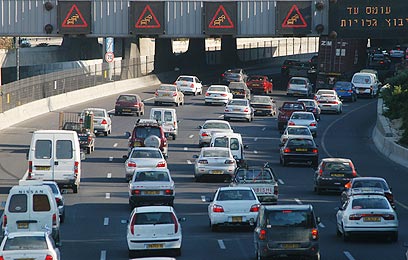
In Hebrew, it’s called:
מַסְלוּל הָעֲקִיפָה
the (by)passing lane
עקיפה is the abstract-noun version of the word לַעֲקוֹף , the active-simple verb meaning to bypass or to overtake.
is the abstract-noun version of the word לַעֲקוֹף , the active-simple verb meaning to bypass or to overtake.The word can be used in the literal or figurative sense, as in:
רֹאשׁ הַמֶּמְשָׁלָה מְנַסֶּה לַעֲקוֹף אֶת הַשָּׂרִים כְּדֵי לְהַעֲבִיר אֶת הַחוֹק.
The prime minister is trying to bypass the ministers in order to pass the law.
A bypass is מַעֲקָף , so that bypass surgery is נִתּוּחַ מַעֲקָפִים .
, so that bypass surgery is נִתּוּחַ מַעֲקָפִים .