How to say “freedom” and “respon” in Hebrew
On the other hand, the phrase that Moses utters on behalf of G-d, “Let my people go…” (שַלַּח אֶת עַמִּי – shah-LAKH et ah-MEE)…
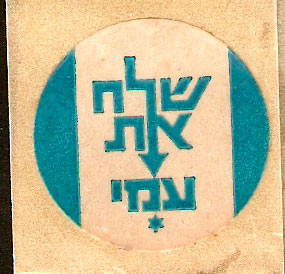
On the other hand, the phrase that Moses utters on behalf of G-d, “Let my people go…” (שַלַּח אֶת עַמִּי – shah-LAKH et ah-MEE)…

[audioclip url=”https://archive.ulpan.com/wp-content/uploads/2020/04/פסח-2020-#.m4a” /]מילה שימושית בעברית מודרנית Useful Word in Modern Hebrew [audioclip url=”https://archive.ulpan.com/wp-content/uploads/2020/04/פסח-2020-#.m4a” /]סימני הסדר The Seder Contents להקדיש[audioclip url=”https://archive.ulpan.com/wp-content/uploads/2020/04/פסח-2020-#.m4a” /] – to dedicate The root ק.ד.ש[audioclip url=”https://archive.ulpan.com/wp-content/uploads/2020/04/פסח-2020-#.m4a” /] means holy, and something holy is unique, set aside. To dedicate is להקדיש, as in: [audioclip url=”https://archive.ulpan.com/wp-content/uploads/2020/04/פסח-2020-#.m4a” /]אני מקדיש לכם את השיר הזה. I dedicate to…
[audioclip url=”https://archive.ulpan.com/wp-content/uploads/2015/05/להשאיר-1.m4a” /]לְהַשְׁאִיר All the lights are on in the house, and you rush out to the supermarket, forgetting to turn off the lights. You might smack your forehead and say: [audioclip url=”https://archive.ulpan.com/wp-content/uploads/2015/05/להשאיר-2.m4a” /]השארתי את כל האורות בבית דלוקים. I left all the lights on in the house. The word השארתי[audioclip url=”https://archive.ulpan.com/wp-content/uploads/2015/05/להשאיר-3.m4a” /] – I left…
[audioclip url=”https://archive.ulpan.com/wp-content/uploads/2022/01/ברירת-מחדל-#.m4a” /]בְּרֵירַת מֶחְדָּל, דִּיפוֹלְט While Israelis certainly use דיפולט[audioclip url=”https://archive.ulpan.com/wp-content/uploads/2022/01/ברירת-מחדל-#.m4a” /] to mean default, there’s also the properly-Hebrew expression, ברירת מחדל[audioclip url=”https://archive.ulpan.com/wp-content/uploads/2022/01/ברירת-מחדל-#.m4a” /] – literally, option of lack of action – since the default is what happens when we don’t take action. For example: [audioclip url=”https://archive.ulpan.com/wp-content/uploads/2022/01/ברירת-מחדל-#.m4a” /]צבע ברירת המחדל של הרקע הוא לבן. The default…
[audioclip url=”https://archive.ulpan.com/wp-content/uploads/2022/05/למען-הדורות-הבאים-#.m4a” /]לְמַעַן הַדּוֹרוֹת הַבָּאִים Sometimes we’ll do something not so much for ourselves, but more for future generations. In Hebrew we typically say הדורות הבאים[audioclip url=”https://archive.ulpan.com/wp-content/uploads/2022/05/למען-הדורות-הבאים-#.m4a” /] – the coming generations, as in: [audioclip url=”https://archive.ulpan.com/wp-content/uploads/2022/05/למען-הדורות-הבאים-#.m4a” /]נטעו עצים ביער למען הדורות הבאים. They planted trees in the forest for the sake of future generations. למען[audioclip url=”https://archive.ulpan.com/wp-content/uploads/2022/05/למען-הדורות-הבאים-#.m4a” /] means for…
having trouble seeing the print? תִּדְרוּךְ Today I visited one of our Jerusalem client programs on their first day of class. I got into a conversation with some of these post-high-school students from English-speaking countries about how they spent this past summer. Their group level corresponds to Ulpan La-Inyan’s Level 2 course. One of the girls…
having trouble seeing the print? יַלְדּוּתִי The Hebrew word for child – probably related to the English word – is יֶלֶד (YEH-led) for a male and יַלְדָּה (yahl-DAH). Words that in English have -hood, -ism, etc, at the end of the word, in Hebrew typically have an וּת– (oot) ending. So childhood is יַלְדּוּת (yahl-DOOT). Childish,…