
what’s free?
חינם, חירות, חופש
If you’ve been to Jerusalem in the past couple of years, you may have eaten at a low-budget pizza parlor called פִּיצָה כִּמְעַט חִינָם (pizza keem-AHT hee-NAHM) – almost-free pizza. Their prices are actually much lower than those of their competitors. But they’re still not free.

Not kosher for Passover
Find out what else is free of charge by reading through this little lesson here.
Anyway, the word for free as in, at no cost, is חינם.
But to describe a person as free, as in not a slave, you’d say בֶּן/בַּת חוֹרִין (ben/baht hoh-REEN – ben for a male and baht for a female). Freedom from bondage is חֵירוּת.
Passover is זְמַן חֵרוּתֵנו (zmahn heh-roo-TEH-noo) – the time of our (the Jews’) freedom – from bondage.
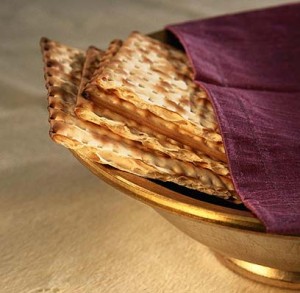
That’s more like it.
Then there’s freedom in the existential sense – the experience of freedom to choose, liberty to live – this is חוֹפֵש (HOH-fesh). It’s also the terms the kids use to describe their liberation from school. The more proper term is חוּפְשָׁה (hoof-SHAH) – this is vacation or holiday.
Okay, so what’s free of charge?
There’s lots of stuff on ulpan.com that’s free – Hebrew basics tutorials, grammar charts, a social network to meet Israelis for language exchange… That’s in the Hebrew Central section.
There are also the not-free, but not-too-expensive courses provided by Ulpan La-Inyan. The deadline for registration is today – so if you’re thinking of taking a class (in Jerusalem, Tel Aviv or over the internet), now’s the time to act (after today the price goes up).
In the meantime…