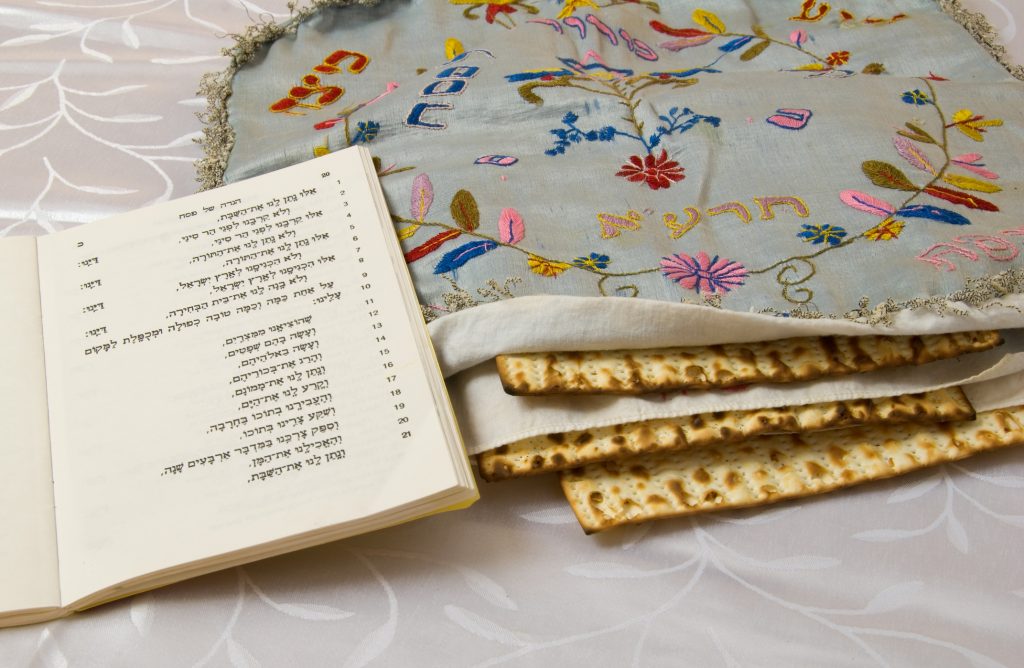
Useful Hebrew words inspired by the Passover Haggadah
|
[audioclip url=”https://archive.ulpan.com/wp-content/uploads/2020/04/פסח-2020-#.m4a” /]מילה שימושית בעברית מודרנית Useful Word in Modern Hebrew |
[audioclip url=”https://archive.ulpan.com/wp-content/uploads/2020/04/פסח-2020-#.m4a” /]סימני הסדר The Seder Contents |
|
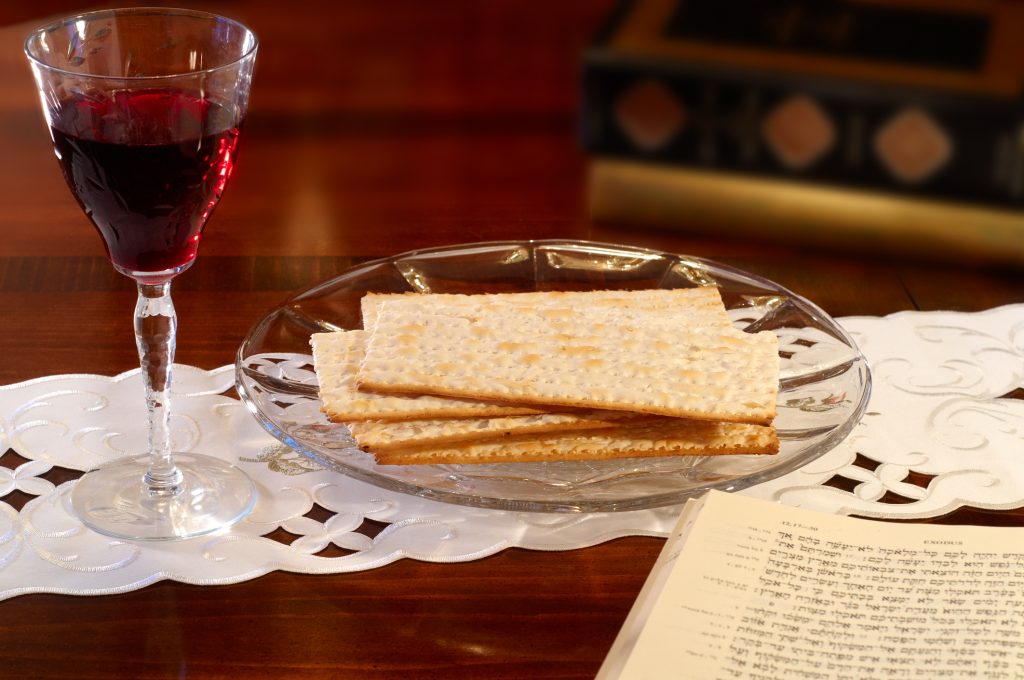
להקדיש[audioclip url=”https://archive.ulpan.com/wp-content/uploads/2020/04/פסח-2020-#.m4a” /] – to dedicate The root ק.ד.ש[audioclip url=”https://archive.ulpan.com/wp-content/uploads/2020/04/פסח-2020-#.m4a” /] means holy, and something holy is unique, set aside. To dedicate is להקדיש, as in: [audioclip url=”https://archive.ulpan.com/wp-content/uploads/2020/04/פסח-2020-#.m4a” /]אני מקדיש לכם את השיר הזה. I dedicate to you guys this song. להקדיש is a הפעיל verb. |
[audioclip url=”https://archive.ulpan.com/wp-content/uploads/2020/04/פסח-2020-#.m4a” /]קדש Sanctify
|
|
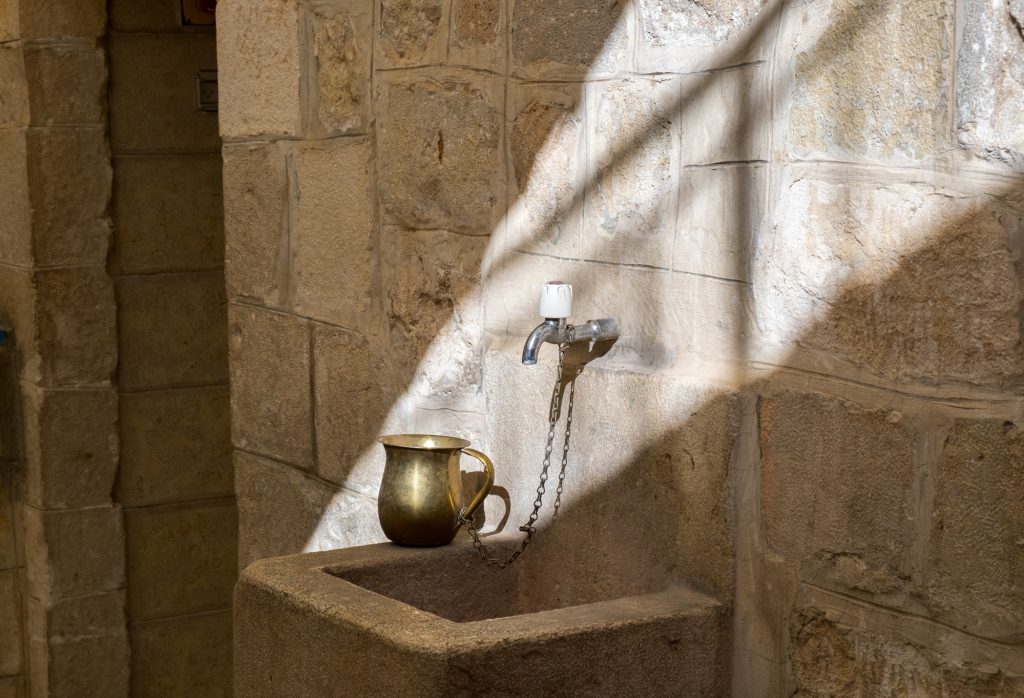
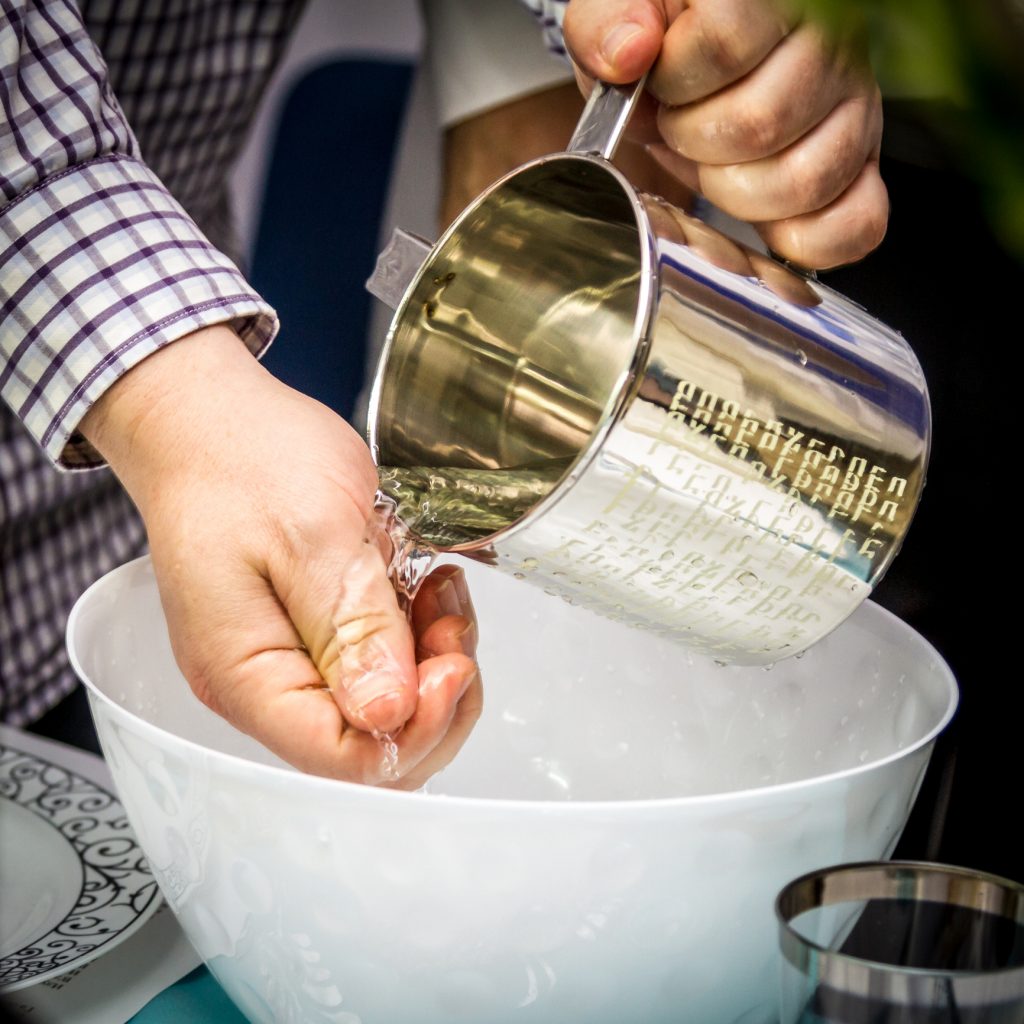
להתרחץ[audioclip url=”https://archive.ulpan.com/wp-content/uploads/2020/04/פסח-2020-#.m4a” /] – to bathe One of the ways to say to take a bath or a shower is להתרחץ, a התפעל verb of the root ר.ח.צ[audioclip url=”https://archive.ulpan.com/wp-content/uploads/2020/04/פסח-2020-#.m4a” /]. For example: [audioclip url=”https://archive.ulpan.com/wp-content/uploads/2020/04/פסח-2020-#.m4a” /]הוא תכף יוצא, הוא רק צריך להתרחץ. He’ll be right out, he just needs to take a shower. |
[audioclip url=”https://archive.ulpan.com/wp-content/uploads/2020/04/פסח-2020-#.m4a” /]ורחץ And wash (hands)
|
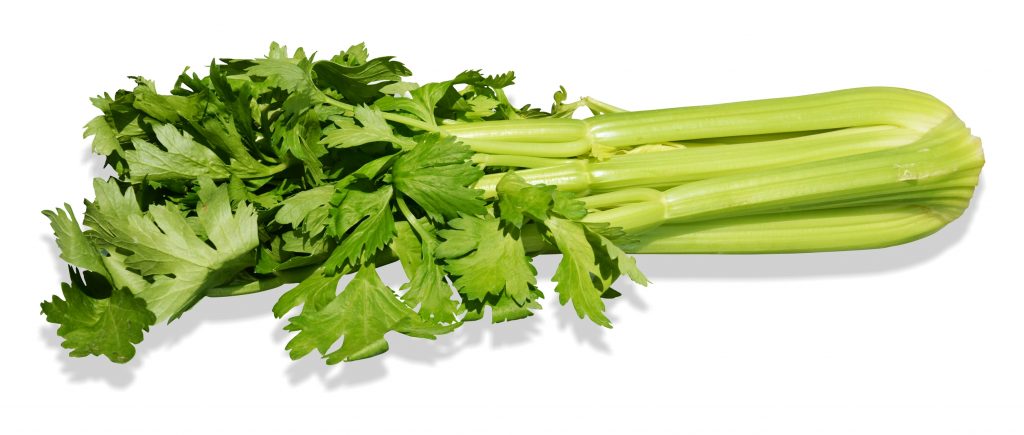
| This word has no usage in Modern Hebrew, except on Passover night. It’s also the only word from Seder Contents that comes from a foreign, non-Semitic language: Greek. |
[audioclip url=”https://archive.ulpan.com/wp-content/uploads/2020/04/פסח-2020-#.m4a” /]כרפס Celery, piece of produce
|
|
לחצות את הכביש[audioclip url=”https://archive.ulpan.com/wp-content/uploads/2020/04/פסח-2020-#.m4a” /] – to cross the street חצי[audioclip url=”https://archive.ulpan.com/wp-content/uploads/2020/04/פסח-2020-#.m4a” /] means half; לחצות[audioclip url=”https://archive.ulpan.com/wp-content/uploads/2020/04/פסח-2020-#.m4a” /], a פעל verb, means to cross something, such as a street… or a sea, as in: [audioclip url=”https://archive.ulpan.com/wp-content/uploads/2020/04/פסח-2020-#.m4a” /]בני ישראל חצו את הים. The Children of Israel crossed the sea. |
[audioclip url=”https://archive.ulpan.com/wp-content/uploads/2020/04/פסח-2020-#.m4a” /]יחץ Splitting in two
|
|
תגיד לי[audioclip url=”https://archive.ulpan.com/wp-content/uploads/2020/04/פסח-2020-#.m4a” /] – tell me… מגיד[audioclip url=”https://archive.ulpan.com/wp-content/uploads/2020/04/פסח-2020-#.m4a” /] comes from להגיד[audioclip url=”https://archive.ulpan.com/wp-content/uploads/2020/04/פסח-2020-#.m4a” /], to say, which in Modern Hebrew gives us: תגיד לי…[audioclip url=”https://archive.ulpan.com/wp-content/uploads/2020/04/פסח-2020-#.m4a” /] (or simply תגיד[audioclip url=”https://archive.ulpan.com/wp-content/uploads/2020/04/פסח-2020-#.m4a” /]) – tell me, speaking to a male תגידי לי…[audioclip url=”https://archive.ulpan.com/wp-content/uploads/2020/04/פסח-2020-#.m4a” /] (or simply תגידי[audioclip url=”https://archive.ulpan.com/wp-content/uploads/2020/04/פסח-2020-#.m4a” /]) – tell me, speaking to a female תגידו לי…[audioclip url=”https://archive.ulpan.com/wp-content/uploads/2020/04/פסח-2020-#.m4a” /] (or simply תגידו[audioclip url=”https://archive.ulpan.com/wp-content/uploads/2020/04/פסח-2020-#.m4a” /]) – tell me, speaking to more than one person להגיד is a הפעיל verb of the root נ.ג.ד[audioclip url=”https://archive.ulpan.com/wp-content/uploads/2020/04/פסח-2020-#.m4a” /]. |
[audioclip url=”https://archive.ulpan.com/wp-content/uploads/2020/04/פסח-2020-#.m4a” /]מגיד Telling (the story)
|
|
לרחוץ כלים[audioclip url=”https://archive.ulpan.com/wp-content/uploads/2020/04/פסח-2020-#.m4a” /] – to wash the dishes This all-important household chore has two expressions in Hebrew: לרחוץ כלים – to (literally) wash (the) dishes, and לשטוף כלים[audioclip url=”https://archive.ulpan.com/wp-content/uploads/2020/04/פסח-2020-#.m4a” /] – to rinse (the) dishes. For example: [audioclip url=”https://archive.ulpan.com/wp-content/uploads/2020/04/פסח-2020-#.m4a” /]שטפת כבר את הכלים, דוד? Have you washed the dishes yet, David? לרחוץ[audioclip url=”https://archive.ulpan.com/wp-content/uploads/2020/04/פסח-2020-#.m4a” /] is a פעל verb. |
[audioclip url=”https://archive.ulpan.com/wp-content/uploads/2020/04/פסח-2020-#.m4a” /]רחצה Washing (the hands – again)
|
|
הוצאות[audioclip url=”https://archive.ulpan.com/wp-content/uploads/2020/04/פסח-2020-#.m4a” /] – expenses The word להוציא[audioclip url=”https://archive.ulpan.com/wp-content/uploads/2020/04/פסח-2020-#.m4a” /], a הפעיל verb of the root י.צ.א[audioclip url=”https://archive.ulpan.com/wp-content/uploads/2020/04/פסח-2020-#.m4a” /], means to take out or to spend. Thus הוצאות[audioclip url=”https://archive.ulpan.com/wp-content/uploads/2020/04/פסח-2020-#.m4a” /] are what’s been taken out of our pockets – expenses. For example: [audioclip url=”https://archive.ulpan.com/wp-content/uploads/2020/04/פסח-2020-#.m4a” /]כמה הוצאות הוצאנו על ליל הסדר… How many expenses we’ve spent on the Seder night… |
[audioclip url=”https://archive.ulpan.com/wp-content/uploads/2020/04/פסח-2020-#.m4a” /]מוציא Brings forth (blessing over the Matzah)
|
|
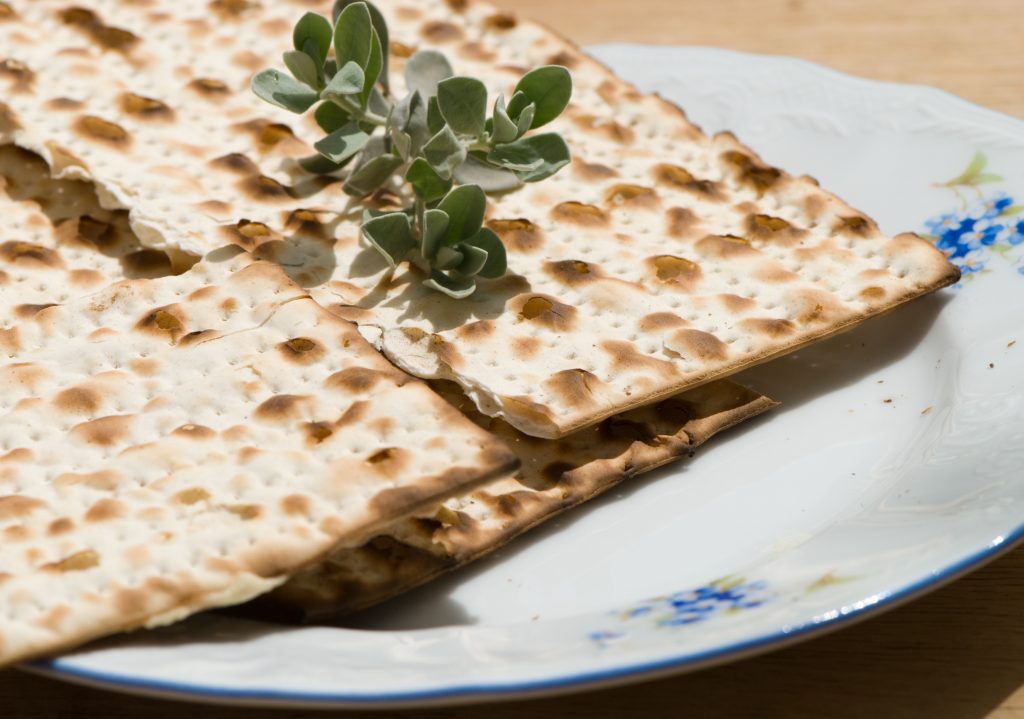
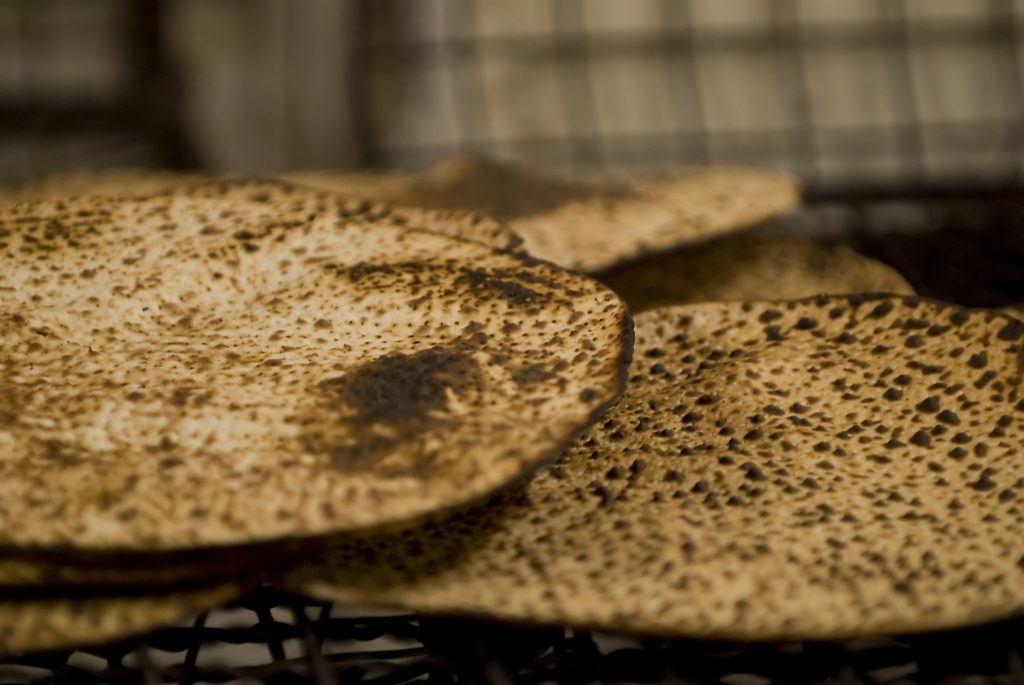
למצות את החיים[audioclip url=”https://archive.ulpan.com/wp-content/uploads/2020/04/פסח-2020-#.m4a” /] – to get the most out of life למצות[audioclip url=”https://archive.ulpan.com/wp-content/uploads/2020/04/פסח-2020-#.m4a” /] means to squeeze out or to drain, so למצות את החיים means to get the most out of life. Likewise, מצה[audioclip url=”https://archive.ulpan.com/wp-content/uploads/2020/04/פסח-2020-#.m4a” /] – Matzah is called that because all the juice (water) has been “squeezed” out of it. למצות[audioclip url=”https://archive.ulpan.com/wp-content/uploads/2020/04/פסח-2020-#.m4a” /] is a פיעל verb of the root מ.צ.ה[audioclip url=”https://archive.ulpan.com/wp-content/uploads/2020/04/פסח-2020-#.m4a” /]. |
[audioclip url=”https://archive.ulpan.com/wp-content/uploads/2020/04/פסח-2020-#.m4a” /]מצה Matzah
|
|
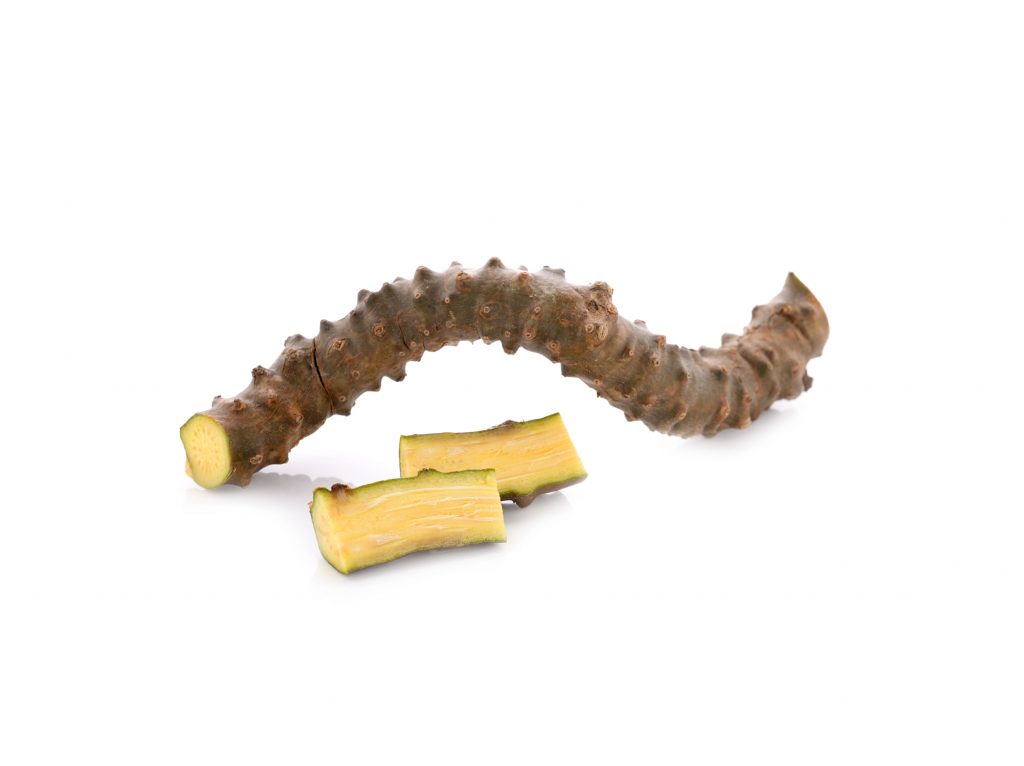
להתמרמר[audioclip url=”https://archive.ulpan.com/wp-content/uploads/2020/04/פסח-2020-#.m4a” /] – to get upset The common word for to get upset is להתעצבן[audioclip url=”https://archive.ulpan.com/wp-content/uploads/2020/04/פסח-2020-#.m4a” /], but להתמרמר adds a rather bitter, angry flavor to the upsetness, as in: [audioclip url=”https://archive.ulpan.com/wp-content/uploads/2020/04/פסח-2020-#.m4a” /]הוא התמרמר על החלטת השופט. He became embittered by the judge’s decision. Both להתמרמר and להתעצבן are התפעל verbs. |
[audioclip url=”https://archive.ulpan.com/wp-content/uploads/2020/04/פסח-2020-#.m4a” /]מרור Bitter herbs
|
|
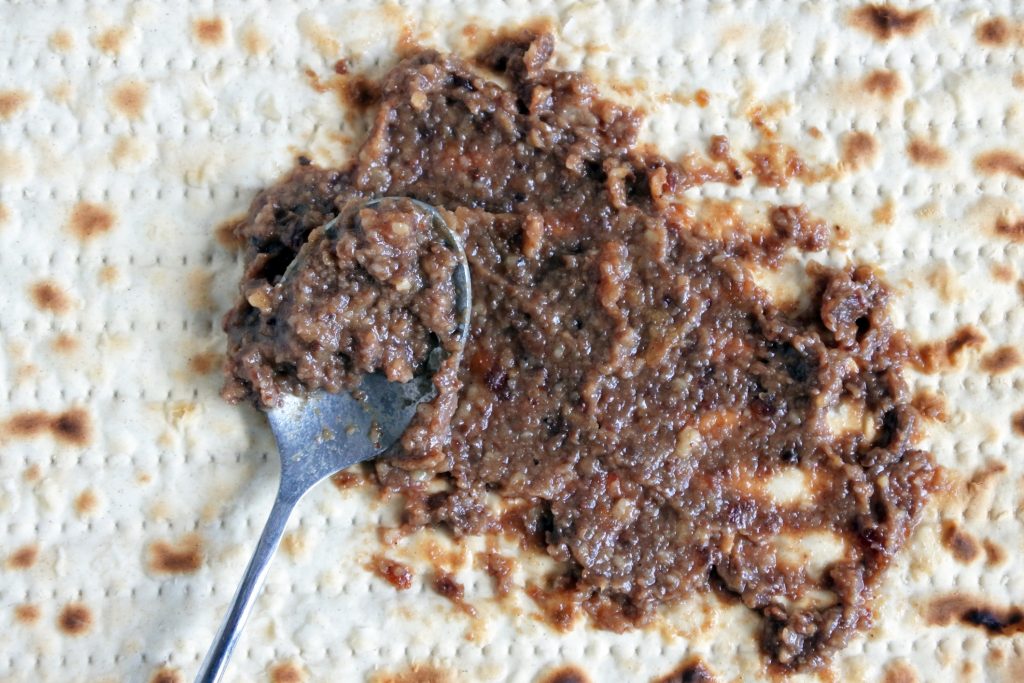
כריך[audioclip url=”https://archive.ulpan.com/wp-content/uploads/2020/04/פסח-2020-#.m4a” /] – sandwich לכרוך[audioclip url=”https://archive.ulpan.com/wp-content/uploads/2020/04/פסח-2020-#.m4a” /], a פעל verb, means to fold together. Thus while many Israelis will call it a ‘סנדוויץ[audioclip url=”https://archive.ulpan.com/wp-content/uploads/2020/04/פסח-2020-#.m4a” /], many others will use the proper Hebrew term, כריך. |
[audioclip url=”https://archive.ulpan.com/wp-content/uploads/2020/04/פסח-2020-#.m4a” /]כורך Folding (the pieces of Matzah with the bitter herbs)
|
|
עורך דין[audioclip url=”https://archive.ulpan.com/wp-content/uploads/2020/04/פסח-2020-#.m4a” /] – lawyer A lawyer is someone who sets in order the claims of their clients. A male lawyer is עורך דין, while a female is עורכת דין[audioclip url=”https://archive.ulpan.com/wp-content/uploads/2020/04/פסח-2020-#.m4a” /]. |
[audioclip url=”https://archive.ulpan.com/wp-content/uploads/2020/04/פסח-2020-#.m4a” /]שולחן עורך Setting the table (festive meal)
|
|
מצפון[audioclip url=”https://archive.ulpan.com/wp-content/uploads/2020/04/פסח-2020-#.m4a” /] – conscience The root צ.פ.נ[audioclip url=”https://archive.ulpan.com/wp-content/uploads/2020/04/פסח-2020-#.m4a” /] means hidden or treasured. It’s also the root of צפון[audioclip url=”https://archive.ulpan.com/wp-content/uploads/2020/04/פסח-2020-#.m4a” /] – north. So the conscience, the “north” of our compass, is מצפון, as in: [audioclip url=”https://archive.ulpan.com/wp-content/uploads/2020/04/פסח-2020-#.m4a” /]דוד, אל תעשה לי מצפון! David, don’t make me feel bad (don’t make me a conscience)! |
[audioclip url=”https://archive.ulpan.com/wp-content/uploads/2020/04/פסח-2020-#.m4a” /]צפון Hidden (hiding the Afikoman)
|
|
בברכה[audioclip url=”https://archive.ulpan.com/wp-content/uploads/2020/04/פסח-2020-#.m4a” /] – alternative to “sincerely” An elegant, respectful way of signing off a letter or email is בברכה – with blessing. In English it might sound a bit strange, but in Hebrew it’s very common. For example: [audioclip url=”https://archive.ulpan.com/wp-content/uploads/2020/04/פסח-2020-#.m4a” /]בברכה, עמי With blessing, Ami |
[audioclip url=”https://archive.ulpan.com/wp-content/uploads/2020/04/פסח-2020-#.m4a” /]ברך Bless (recite Grace After Meals)
|
|
להלל[audioclip url=”https://archive.ulpan.com/wp-content/uploads/2020/04/פסח-2020-#.m4a” /] – to praise, to exalt Admittedly, להלל, a פיעל verb, is not a common word in spoken Hebrew. However, one might use it as an exaggeration, as in: [audioclip url=”https://archive.ulpan.com/wp-content/uploads/2020/04/פסח-2020-#.m4a” /]הוא לא הפסיק לשבח ולהלל אותה. He wouldn’t stop praising and exalting her. |
[audioclip url=”https://archive.ulpan.com/wp-content/uploads/2020/04/פסח-2020-#.m4a” /]הלל Praise
|
|
רצון[audioclip url=”https://archive.ulpan.com/wp-content/uploads/2020/04/פסח-2020-#.m4a” /] – will The root of נרצה[audioclip url=”https://archive.ulpan.com/wp-content/uploads/2020/04/פסח-2020-#.m4a” /] is ר.צ.ה[audioclip url=”https://archive.ulpan.com/wp-content/uploads/2020/04/פסח-2020-#.m4a” /] meaning desire. It’s the root of perhaps the most common verb in spoken Hebrew, לרצות[audioclip url=”https://archive.ulpan.com/wp-content/uploads/2020/04/פסח-2020-#.m4a” /] – to want. It’s also the root of רצון – will, as in: [audioclip url=”https://archive.ulpan.com/wp-content/uploads/2020/04/פסח-2020-#.m4a” /]אין דבר העומד בפני הרצון. Nothing stands in the face of will (when there’s a will, there’s a way). |
[audioclip url=”https://archive.ulpan.com/wp-content/uploads/2020/04/פסח-2020-#.m4a” /]נרצה Accepted, desired
|