
how to say “meeting” in Hebrew
having trouble seeing the print?
פְּגִישָׁה, מִפְגָּשׁ, אָסֵפָה, יְשִׁיבָה

Mid-Fall Hebrew
Courses Starting Soon!
Register Now!


As you can tell from the title, there are many words in Hebrew for meeting. Here’s a digest for you.
פגישה
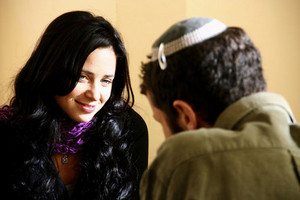
The most common word for meeting is פְּגִישָׁה It comes from the active-simple verb לִפְגּוֹשׁ – to meet – of the root פ.ג.שׁ (p.g.sh) (related to the root פ.ג.ע (p.g.a) meaning to harm in Modern and Biblical Hebrew, but also to make contact in Biblical).
It comes from the active-simple verb לִפְגּוֹשׁ – to meet – of the root פ.ג.שׁ (p.g.sh) (related to the root פ.ג.ע (p.g.a) meaning to harm in Modern and Biblical Hebrew, but also to make contact in Biblical).פגישה refers to a meeting of a fairly formal quality, usually between two people. פגישה is also the Hebrew word for a romantic date, used at times instead of the more common דֵּייט
מפגש
A מִפְגָּשׁ, also of the root פ.ג.שׁ is a less-formal meeting, often a gathering of friends – מִפְגַּשׁ חֲבֵרִים
, also of the root פ.ג.שׁ is a less-formal meeting, often a gathering of friends – מִפְגַּשׁ חֲבֵרִיםאספה
An אֲסֵפָהis, literally, a gathering. It comes from the active-simple verb לֶאֱסוֹף– to gather, of the root א.ס.פ (a.s.p).
is, literally, a gathering. It comes from the active-simple verb לֶאֱסוֹף– to gather, of the root א.ס.פ (a.s.p).A parent-teacher meeting is called אֲסֵפַת הוֹרִים– literally, a parents’ gathering.
– literally, a parents’ gathering.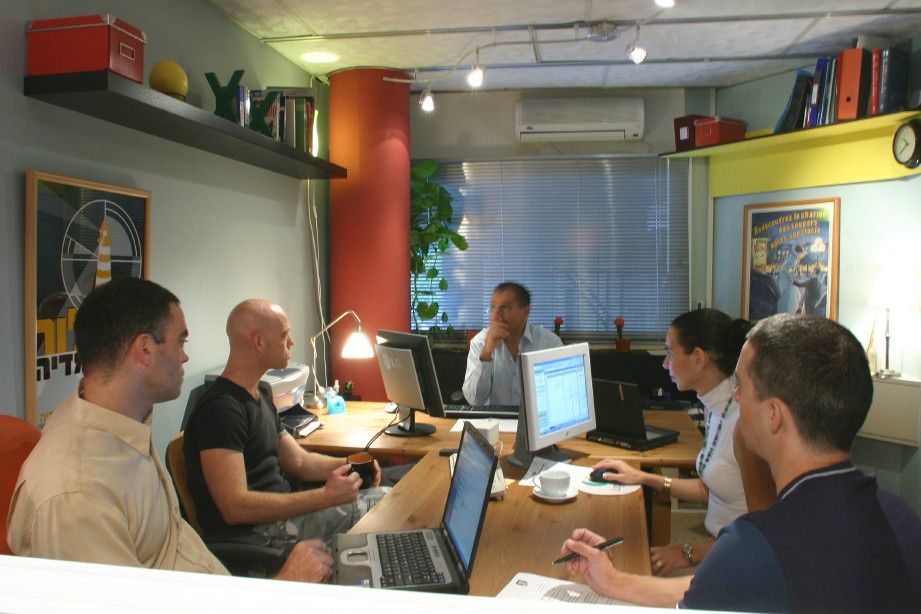
ישיבה
יְשִׁיבָה is the most formal of the words for meeting. It comes from the active-simple verb לָשֶׁבֶת– to sit – of the root י.שׁ.ב (y.sh.b). Although the primary meaning of לשבת is to sit, it is used to mean to meet as well.
is the most formal of the words for meeting. It comes from the active-simple verb לָשֶׁבֶת– to sit – of the root י.שׁ.ב (y.sh.b). Although the primary meaning of לשבת is to sit, it is used to mean to meet as well. A ישיבה is usually a meeting involving several people of decision-making authority.
For example:
בַּכְּנֶסֶת קָרְאוּ לִישִׁיבַת חֵרוּם.
The Knesset called for (literally, in the Knesset they called for) an emergency meeting.
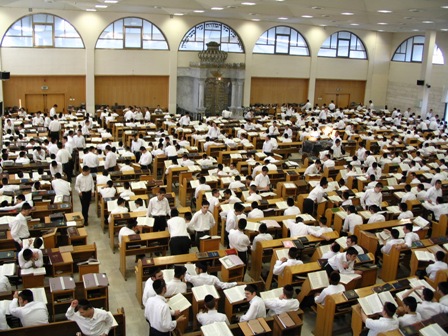
The word ישיבה also refers to a place of Torah-learning, where people gather together to sit and engage in something of a common purpose.

Enjoying Your Daily Dose of Hebrew?
