how to say “password” in Hebrew

But a username isn’t enough to get into a membership site. You need a password too.


having trouble seeing the print? מַעֲרֶכֶת הַחִסּוּן check out Ulpan La-Inyan’s winter course offerings It’s winter for most of us, and we’re aware that it’s time to shift into high gear with strengthening our immune systems. In Biblical and early Rabbinic times, however, people didn’t know of such physiological systems, so there…
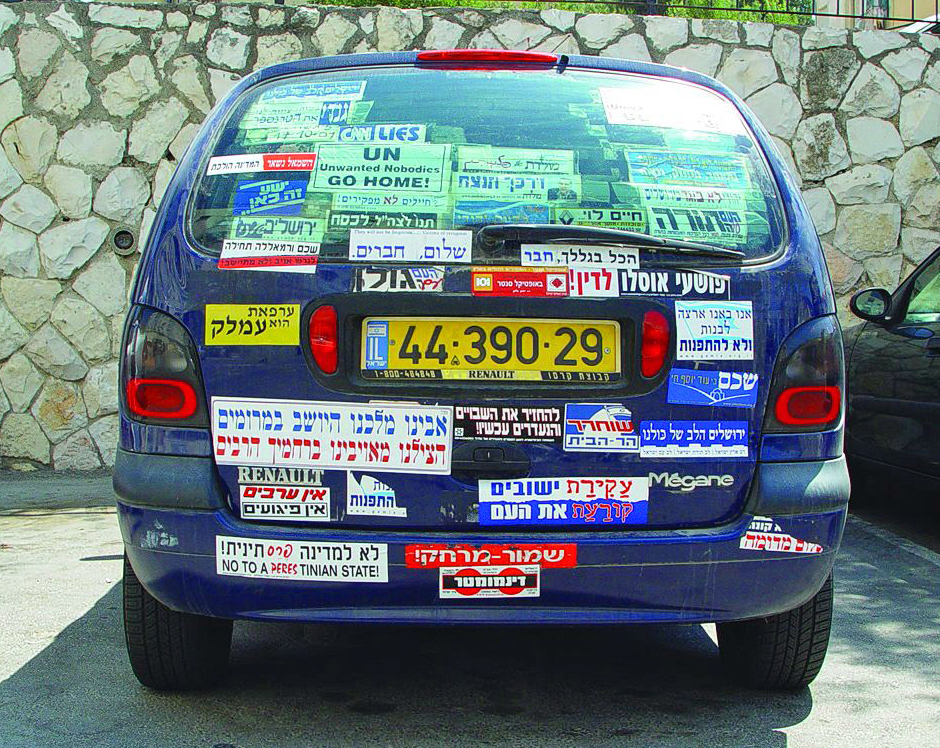
חֵרֶם, לְהַחֲרִים[audioclip url=”https://archive.ulpan.com/wp-content/uploads/2014/10/חרם-1.wav” /] The English word boycott is named for a 19th-century Irishman, Charles C. Boycott, who was ostracized after refusing to lower rent for his tenant farmers (see Online Etymological Dictionary). The Hebrew word for this social (or antisocial) action goes further back, all the way to the Bible. The word is חֵרֶם[audioclip url=”https://archive.ulpan.com/wp-content/uploads/2014/10/חרם-2.wav”…
[audioclip url=”https://archive.ulpan.com/wp-content/uploads/2014/10/פגיעות-1-1.m4a” /]פְּגִיעוּת The Hebrew word for vulnerable is פגיע[audioclip url=”https://archive.ulpan.com/wp-content/uploads/2014/10/פגיעות-2.m4a” /]. The root is פ.ג.ע[audioclip url=”https://archive.ulpan.com/wp-content/uploads/2014/10/פגיעות-3.m4a” /] meaning to contact, usually in a hurtful manner. Thus פגיע makes sense as a translation of vulnerable – exposed to being contacted in a hurtful manner. But getting hurt is not the only thing that could happen to someone vulnerable….
שירות, עבדות Over thousands of years, word meanings can change within a language. Actually, even over a generation they can (I challenge you to come up with two examples right now of English words whose meanings have changed over the last generation – write them in the “comments” section below). In today’s language,…
[audioclip url=”https://archive.ulpan.com/wp-content/uploads/2020/09/הבטחה-#.m4a” /]הַבְטָחָה If להבטיח[audioclip url=”https://archive.ulpan.com/wp-content/uploads/2020/09/הבטחה-#.m4a” /] is to promise, הבטחה[audioclip url=”https://archive.ulpan.com/wp-content/uploads/2020/09/הבטחה-#.m4a” /] is a promise. For example: [audioclip url=”https://archive.ulpan.com/wp-content/uploads/2020/09/הבטחה-#.m4a” /]היא תמיד מקיימת את ההבטחות שלה. She always keeps her promises. The root of these words is ב.ט.ח[audioclip url=”https://archive.ulpan.com/wp-content/uploads/2020/09/הבטחה-#.m4a” /], spelling !בטח[audioclip url=”https://archive.ulpan.com/wp-content/uploads/2020/09/הבטחה-#.m4a” /] – sure! And although אבטיח[audioclip url=”https://archive.ulpan.com/wp-content/uploads/2020/09/הבטחה-#.m4a” /] – watermelon – seems to have the…
[audioclip url=”https://archive.ulpan.com/wp-content/uploads/2020/12/לצלחת-#.m4a” /]לְצַלְחֵת The Hebrew word for plate is צלחת[audioclip url=”https://archive.ulpan.com/wp-content/uploads/2020/12/לצלחת-#.m4a” /], as in: [audioclip url=”https://archive.ulpan.com/wp-content/uploads/2020/12/לצלחת-#.m4a” /]שמתי יותר מדי אוכל על הצלחת. I put too much food on my (the) plate. In restaurants, plate becomes a verb: to plate is to arrange the various elements of a dish on the plate. In Hebrew, this is לצלחת[audioclip url=”https://archive.ulpan.com/wp-content/uploads/2020/12/לצלחת-#.m4a” /],…