how to say “snowflakes” in Hebrew
having trouble seeing the print?
While some predict snow tonight in Jerusalem, others say they’re just crying wolf.
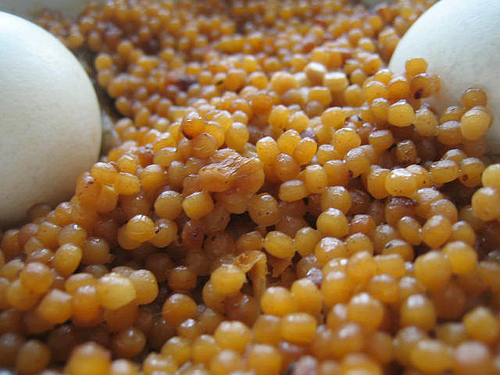 What’s for sure, snowflakes have been seen in Jerusalem’s surrounding areas.
A flake – whether made of snow, bran, or pasta such as the featured to the right – is a פְּתִית (peh-TEET), though the more common usage is in the plural: פְּתִיתִים (peh-tee-TEEM).
Thus snowflakes are, literally, flakes of snow – פְּתִיתֵי שֶׁלֶג (peh-tee-TEH-ee SHEH-leg).
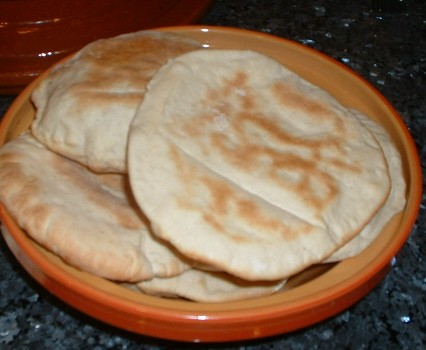
The word פתית is related to the Biblical Hebrew root פ.ת.ת (p.t.t) meaning crumble. It is also related to the Biblical Hebrew word פַּת (paht) meaning a morsel, which in later, Aramaic-influenced Hebrew came to mean bread, and finally, as a result of today’s Arab-Israeli cultural exchange, evolved into פִּתָּה (PEE-tah) – pita bread.
The creators of Modern Hebrew took the Biblical Hebrew concepts of crumbling and morsel out of the context of bread and broadened their usage to water, ice and snow, engendering snowflakes – פתיתי שלג.
One snowflake is a פְּתִית שֶׁלֶג (peh-TEET SHEH-leg) – though this term is hardly ever used.