how to say “flame” in Hebrew

לֶהָבָה


The common Hebrew word for fire is אֵשׁ (esh).
 
A flame, however, is a לְהָבָה (leh-hah-VAH).
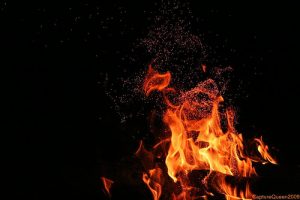
 
להבה
by Capture Queen ™
Perhaps the most well-known Biblical example of this word can be found in the psalm recited in synagogues Friday night before the לְכָה דּוֹדִי (leh-KHAH doh-DEE) liturgical poem: קוֹל (הַשֵּׁם) חֹצֵב לַהֲבוֹת אֵשׁ – the voice of G-d (changed to preserve sanctity) hews flames of fire (kohl (hah-SHEM) khoh-TSEV lah-hah-VOHT esh).
 
The root of להבה is ל.ה.ב (l.h.b), which gives rise to the Modern-Hebrew word for enthusiasm, or the state of being “fired up” – הִתְלַהֲבוּת (heet-lah-hah-VOOT) – see our entry on that. 

Similar Posts

  • how to say “coast line” in Hebrew

    [audioclip url=”https://archive.ulpan.com/wp-content/uploads/2019/05/קו-החוף-#.m4a” /]קַו הַחוֹף The word for line (when talking about a geometric shape) in Hebrew is קו[audioclip url=”https://archive.ulpan.com/wp-content/uploads/2019/05/קו-החוף-#.m4a” /]. The word for coast or shore is חוף[audioclip url=”https://archive.ulpan.com/wp-content/uploads/2019/05/קו-החוף-#.m4a” /]. So a coast line is קו חוף[audioclip url=”https://archive.ulpan.com/wp-content/uploads/2019/05/קו-החוף-#.m4a” /], while the coast line is קו החוף. For example: [audioclip url=”https://archive.ulpan.com/wp-content/uploads/2019/05/קו-החוף-#.m4a” /]קו החוף הישראלי משתרע מראש הנקרה עד גבול מצרים. The…

  • how to say “on the rise” in Hebrew

    בַּעֲלִיָּיה Aliyah – Jewish immigration to Israel – means literally rising up. I’ve done it – perhaps you have as well. בעלייה means on the rise, so that we might say: העלייה לארץ בעלייה. Aliyah to Israel (the country) is on the rise. ב usually means in, but in this case it’s on. If that doesn’t make 100%…

  • daily video – how to say “the rule of law” in Hebrew

    To slow down the audio or to turn on captions (CC), start playing the video and then click the settings icon ⚙️. LEARNING TIPS Hebrew beginners Watch with English captions a few times, then with Hebrew captions, then without captions, and see what you understand. Intermediate learners Watch without captions, pausing to write down what...
  • how to say “loneliness” in Hebrew

    The Hebrew word for lonely is בודד when referring to a male, and בודדת or בודדה when referring to a female. For example: לפעמים אני מרגיש בודד. Sometimes I feel lonely. Likewise, בדידות is loneliness, as in: אם אתה חווה בדידות, אתה לא לבד. If you experience loneliness, you aren’t alone. The root of these words…

  • how to say “dark blue” in Hebrew

    [audioclip url=”https://archive.ulpan.com/wp-content/uploads/2014/10/כהה-1.m4a” /]כָּחֹל כֵּהֶה The Hebrew word for light-colored or bright is בהיר[audioclip url=”https://archive.ulpan.com/wp-content/uploads/2014/10/כהה-2.m4a” /] – thus light blue is כחול בהיר[audioclip url=”https://archive.ulpan.com/wp-content/uploads/2014/10/כהה-3.m4a” /]. As for dark-colored, it’s כהה[audioclip url=”https://archive.ulpan.com/wp-content/uploads/2014/10/כהה-4.m4a” /]. For example: [audioclip url=”https://archive.ulpan.com/wp-content/uploads/2014/10/כהה-5.m4a” /]היא אוהבת פרחים בצבע כחול כהה. She likes dark-blue flowers (flowers of the color dark blue). Likewise, dark skin is עור כהה[audioclip url=”https://archive.ulpan.com/wp-content/uploads/2014/10/כהה-6.m4a” /], as in: [audioclip…

  • how to say “flashing” in Hebrew

      having trouble seeing the print? מְהַבְהֵב     Our Hebrew class starts Sunday! 10 spots available per course.  Sign up now!     P.S. from yesterday’s dose As a post-script to yesterday’s entry on worshiping, the Aramaic root ס.ג.ד (s.g.d) meaning to bow down appears in other Semitic languages as well, most notably in Arabic word for Mosque – مسجد (MAHS-jid)…