
how to say “to roast” in Hebrew
[audioclip url=”https://archive.ulpan.com/wp-content/uploads/2015/05/לקלות-1.m4a” /]לִקְלוֹת, לִצְלוֹת
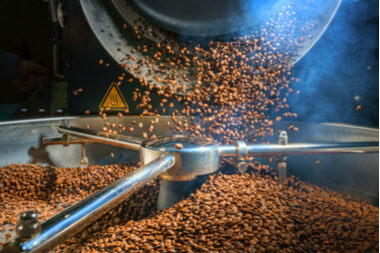
While in English a roast might involve a person (who doesn’t actually get eaten), in Hebrew the term refers only to food.
Well, it’s two terms, one for veggies and one for meat.
לקלות[audioclip url=”https://archive.ulpan.com/wp-content/uploads/2015/05/לקלות-2.m4a” /] means to roast that which grows from the ground, such as sunflower seeds and chestnuts.
For example:
[audioclip url=”https://archive.ulpan.com/wp-content/uploads/2015/05/לקלות-3.m4a” /]אתה קולה את הגרנולה בבית?
You (a male) roast the granola at home?
But if it’s meat you’re putting in the fire, it’s לצלות[audioclip url=”https://archive.ulpan.com/wp-content/uploads/2015/05/לקלות-4.m4a” /].
For example:
[audioclip url=”https://archive.ulpan.com/wp-content/uploads/2015/05/לקלות-5.m4a” /]כדי להכין קרבן פסח, היו צולים את הבשר.
In order to prepare the Pascal (Passover) sacrifice, they would roast the meat.
Likewise, roast meat is בשר צלוי[audioclip url=”https://archive.ulpan.com/wp-content/uploads/2015/05/לקלות-6.m4a” /].
לקלות and לצלות are simple verbs of the “lamed-heh” variety.
Don’t confuse לקלות with לקלוט[audioclip url=”https://archive.ulpan.com/wp-content/uploads/2015/05/לקלות-2.m4a” /]. These are pronounced the same in Modern Hebrew, but לקלוט means to absorb or to receive.