
how to say “greenery” in Herbew
[audioclip url=”https://archive.ulpan.com/wp-content/uploads/2015/05/ירק-1.m4a” /]יֶרֶק
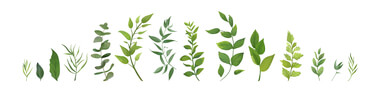
What are the primary colors? That’s subject to debate, but green – ירוק[audioclip url=”https://archive.ulpan.com/wp-content/uploads/2015/05/ירק-2.m4a” /] – is generally considered one of them.
In the feminine ירוק becomes ירוקה[audioclip url=”https://archive.ulpan.com/wp-content/uploads/2015/05/ירק-3.m4a” /]. For example:
[audioclip url=”https://archive.ulpan.com/wp-content/uploads/2015/05/ירק-4.m4a” /]יש להם בית ירוק עם גינה ירוקה.
They have a green house with a green garden.
Green is the color of many vegetables, which are called ירקות[audioclip url=”https://archive.ulpan.com/wp-content/uploads/2015/05/ירק-5.m4a” /] – in the singular, ירק[audioclip url=”https://archive.ulpan.com/wp-content/uploads/2015/05/ירק-1.m4a” /] (in Biblical and Mishnaic Hebrew, ירק[audioclip url=”https://archive.ulpan.com/wp-content/uploads/2015/05/ירק-6.m4a” /] with ah vowels).
ירק also refers to greenery or vegetation. For example:
[audioclip url=”https://archive.ulpan.com/wp-content/uploads/2015/05/ירק-7.m4a” /]בשבועות, נוהגים לקשט את בית הכנסת בירק.
On Shavuot (people) have a custom of decorating the synagogue with greenery.