how to say “to warm up” in Hebrew

having trouble seeing the print?

לְחַמֵּם, לְהִתְחַמֵּם


In the late fall/winter, the days are short, and the weather is often cold.

Here’s how to say in Hebrew, to warm up oneself: לְהִתְחַמֵּם . 

For example:
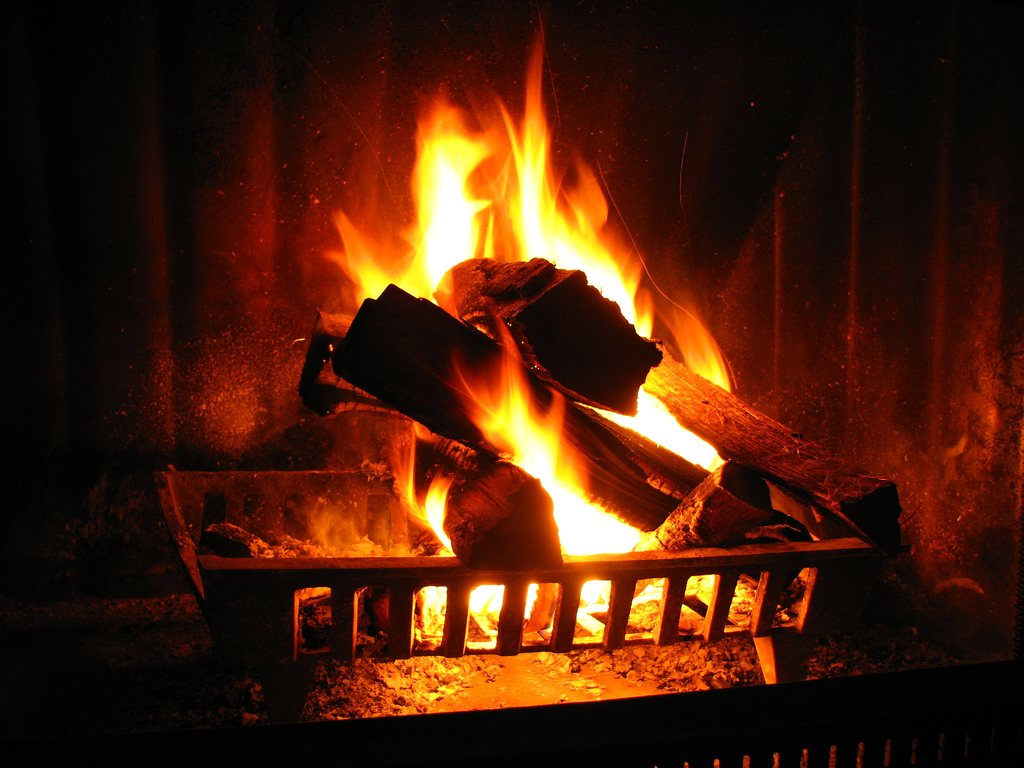
מדורה
בְּיָמִים קָרִים כָּאֵלֶּה הִיא אוֹהֶבֶת לְהִתְחַמֵּם בְּבֵית קָפֶה.
In cold days like these, she likes to warm up in a cafe.
To warm up something else, the word is לְחַמֵּם .

For example:
 
הַשֵּׁיר הַזֶּה מְחַמֵּם אֶת הַלֵּב.
This song is heartwarming (literally, warms the heart).
 
Find such a song here.
Make this dose of Hebrew yours by using it in a sentence. You can write your sentence on the wall of our Facebook page, and we’ll correct it for you if it’s got errors.


You can further build your Hebrew vocabulary with…
with a special discount for Ktzat Ivrit enthusiasts like yourself

Similar Posts

  • how to say “a dress” and other articles of clothing – in Hebrew

      שִׂמְלָה   Can’t read Hebrew yet?     Though in Biblical times the word שִׂמְלָה    referred to apparel worn widely by both women and men, today שמלה refers specifically to a dress.   For example:   הִיא שָׁאֲלָה אֹתִי אִם הַשִּׂמְלָה שֶׁלָּהּ יָפָה. She asked me if her dress is nice.     Other items of clothing…

  • how to say “breakup” in Hebrew

    פְּרֵדָה[audioclip url=”https://archive.ulpan.com/wp-content/uploads/2014/10/פרידה-1.mp3″ /] The Hebrew word for to separate two things from each other is the active-causative להפריד[audioclip url=”https://archive.ulpan.com/wp-content/uploads/2014/10/פרידה-2.mp3″ /], while to separate from one another is the נפעל[audioclip url=”https://archive.ulpan.com/wp-content/uploads/2014/10/פרידה-3.mp3″ /] verb להיפרד[audioclip url=”https://archive.ulpan.com/wp-content/uploads/2014/10/פרידה-4.mp3″ /]. For example: [audioclip url=”https://archive.ulpan.com/wp-content/uploads/2014/10/פרידה-5.mp3″ /]נפרדנו. We separated/broke up. Likewise, the act of separation and saying goodbye – also a breakup – is פרידה[audioclip url=”https://archive.ulpan.com/wp-content/uploads/2014/10/פרידה-1.mp3″ /]. For example:…

  • how to say “employee” in Hebrew

      עוֹבֵד, מָעֳסָק If you’re attending a Passover Seder this year, here’s קצת עברית (keh-TSAHT eev-REET)  – a bit of Hebrew – for you that you can share at the table. About a year ago I wrote an entry on the Hebrew words for employer – מַעֲסִיק (mah-ah-SEEK – masculine) and מַעֲסִיקָה (mah-ah-see-KAH – feminine). from www.draftnz.com These words…

  • Weekly YDDH Review

    חֹמֶר לְשִׁנּוּן[audioclip url=”https://archive.ulpan.com/wp-content/uploads/2014/10/review-1.mp3″ /] Review Material You spent time on your Hebrew this week. Use these review materials to make it yours to keep.      To take full advantage of the review material, click on “Choose a study mode” in the bottom right corner of the box above. [audioclip url=”https://archive.ulpan.com/wp-content/uploads/2014/10/review-2.mp3″ /]שבת שלום, וסוף…

  • how to say “lazy person” in Hebrew

    [audioclip url=”https://archive.ulpan.com/wp-content/uploads/2020/05/עצלן-#.m4a” /]עַצְלָן, עַצְלָנִית Yesterday we saw the words for dancer – רקדן[audioclip url=”https://archive.ulpan.com/wp-content/uploads/2020/05/עצלן-#.m4a” /] and רקדנית[audioclip url=”https://archive.ulpan.com/wp-content/uploads/2020/05/עצלן-#.m4a” /], which take the root ר.ק.ד[audioclip url=”https://archive.ulpan.com/wp-content/uploads/2020/05/עצלן-#.m4a” /] and add an ending of ן-[audioclip url=”https://archive.ulpan.com/wp-content/uploads/2020/05/עצלן-#.m4a” /] for a male and נית-[audioclip url=”https://archive.ulpan.com/wp-content/uploads/2020/05/עצלן-#.m4a” /] for a female. This pattern of construction creates other words that describe professionals and…