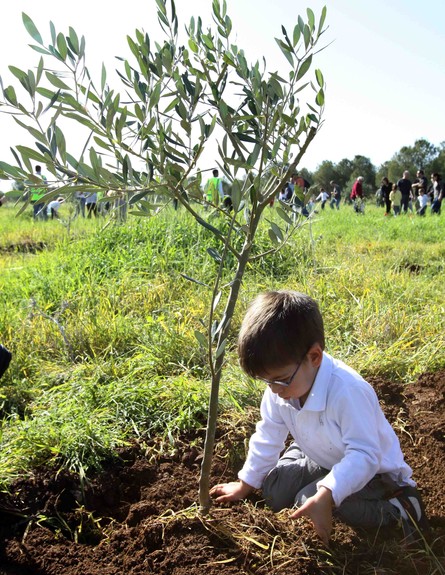
how to say “to plant” in Hebrew
having trouble seeing the print?

For example:
![]() |
| here’s a song many Israeli children are singing today |
having trouble seeing the print?

![]() |
| here’s a song many Israeli children are singing today |
[audioclip url=”https://archive.ulpan.com/wp-content/uploads/2018/04/ביצת-עין-1.m4a” /]בֵּיצַת עַיִן Some Israelis call it ביצה עם עין[audioclip url=”https://archive.ulpan.com/wp-content/uploads/2018/04/ביצת-עין-2.m4a” /] – an egg with an eye. But the more common expression is ביצת עין[audioclip url=”https://archive.ulpan.com/wp-content/uploads/2018/04/ביצת-עין-1.m4a” /] – literally, an eye egg or an egg of eye. You can imagine this sunny-side up egg and see why. Here’s the expression in action: [audioclip url=”https://archive.ulpan.com/wp-content/uploads/2018/04/ביצת-עין-3.m4a” /]ביצת עין יותר…
לְהִתְפָּרֵעַ Can’t read Hebrew yet? For the Jews it’s been Passover, and for students around the world it’s been spring break. As parting advice for the latter, parents might tell their son: תַּעֲשֶׂה חַיִּים, אָבָל אַל תִּתְפָּרֵעַ יוֹתֵר מִדַּי. Have a good time (literally, make life), but don’t go too…
[audioclip url=”https://archive.ulpan.com/wp-content/uploads/2019/06/חשיבות-#.m4a” /]חֲשִׁיבוּת You may know the Hebrew word חשוב[audioclip url=”https://archive.ulpan.com/wp-content/uploads/2019/06/חשיבות-#.m4a” /], important (literally, something thought of). What about importance? That’s חשיבות[audioclip url=”https://archive.ulpan.com/wp-content/uploads/2019/06/חשיבות-#.m4a” /], as in: [audioclip url=”https://archive.ulpan.com/wp-content/uploads/2019/06/חשיבות-#.m4a” /]זה ממצא בעל חשיבות רבה. This is a finding of great importance. חשיבות and חשוב derive from the simple פעל verb לחשוב[audioclip url=”https://archive.ulpan.com/wp-content/uploads/2019/06/חשיבות-#.m4a” /] – to think.
[audioclip url=”https://archive.ulpan.com/wp-content/uploads/2014/10/מקורי-1.m4a” /]מְקוֹרִי Last week we saw the Hebrew word for research – מחקר[audioclip url=”https://archive.ulpan.com/wp-content/uploads/2014/10/מקורי-2.m4a” /], used in the example: [audioclip url=”https://archive.ulpan.com/wp-content/uploads/2014/10/מקורי-3.m4a” /]זה מחקר מקורי. This is original research. מקורי means original. It derives from the word מקור[audioclip url=”https://archive.ulpan.com/wp-content/uploads/2014/10/מקורי-4.m4a” /] meaning source (note that though they have the same spelling מקור meaning source has no connection to מקור meaning beak): something original is from…
לְצַיֵּת When driving a car, it’s most important to obey traffic laws. In Hebrew, you the italicized text above is זֶה חָשוּב בְּיוֹתֵר לְצַיֵּת לְחֻקֵּי הַנְּהִיגָה (zeh khah-SHOOV beh-yoh-TEHR leh-tsah-YET leh-khoo-KEH-ee hah-neh-hee-GAH). The word for to obey is לציית, an active-intensive פיעל verb. A Hebrew learning tool I highly recommend:
[audioclip url=”https://archive.ulpan.com/wp-content/uploads/2020/04/הקלה-#.m4a” /]הֲקָלָה The Hebrew word for relief is הקלה[audioclip url=”https://archive.ulpan.com/wp-content/uploads/2020/04/הקלה-#.m4a” /], as in: [audioclip url=”https://archive.ulpan.com/wp-content/uploads/2020/04/הקלה-#.m4a” /]איזו הקלה! What a relief! (You’ll probably hear people saying איזה הקלה[audioclip url=”https://archive.ulpan.com/wp-content/uploads/2020/04/הקלה-#.m4a” /] instead – this is grammatically incorrect but far more common.) הקלה also means an easing of something, such as movement restrictions during corona. And if you live…