another word for “to plant” in Hebrew


having trouble seeing the print?

לִשְׁתּוֹל


Last week I wrote about the Hebrew word for to plant – לִנְטוֹעַ  . I’d like to make a couple of corrections and additions to that dose.
 
1. ט”ו בשבט   (Tu Bishvat) takes place on the 15th of Shevat, not the 16th.
 
2. לנטוע   means to plant specifically a tree. The word for to plant herbage is לִשְׁתּוֹל  , also an active-simple verb.
 
לשתול
 
 
For example:
 
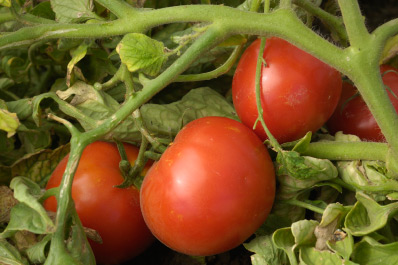
הִיא שָׁתְלָה עַגְבָנִיּוֹת בַּגִּנָּה.
She planted tomatoes in the garden.

 

Similar Posts

  • how to say “hand sanitizer” in Hebrew

    [audioclip url=”https://archive.ulpan.com/wp-content/uploads/2020/10/חיטוי-ידיים-#.m4a” /]חוֹמֶר לְחִיטּוּי יָדַיִים The Hebrew word חטא[audioclip url=”https://archive.ulpan.com/wp-content/uploads/2020/10/חיטוי-ידיים-#.m4a” /] means sin, but also uncleanness. Thus לחטא[audioclip url=”https://archive.ulpan.com/wp-content/uploads/2020/10/חיטוי-ידיים-#.m4a” /] – to disinfect – essentially means to remove uncleanness. Converting this פיעל verb לחטא to its noun form, we get חיטוי[audioclip url=”https://archive.ulpan.com/wp-content/uploads/2020/10/חיטוי-ידיים-#.m4a” /] – disinfecting or sanitizing (the א[audioclip url=”https://archive.ulpan.com/wp-content/uploads/2020/10/חיטוי-ידיים-#.m4a” /] of the root sometimes becomes a י[audioclip url=”https://archive.ulpan.com/wp-content/uploads/2020/10/חיטוי-ידיים-#.m4a” /]). And hand sanitizer?…

  • how to say “I’d love to!” in Hebrew

    [audioclip url=”https://archive.ulpan.com/wp-content/uploads/2015/05/אשמח-ב-1.m4a” /]אֶשְׂמַח! In English, most feelings are adjectives (with a notable exception of to love): I am happy, she is afraid, they are angry, etc. In Hebrew, they’re verbs: לשמוח[audioclip url=”https://archive.ulpan.com/wp-content/uploads/2015/05/אשמח-ב-2.m4a” /] – to (be) happy לפחד[audioclip url=”https://archive.ulpan.com/wp-content/uploads/2015/05/אשמח-ב-3.m4a” /] – to (be) afraid (also in English to fear) לכעוס[audioclip url=”https://archive.ulpan.com/wp-content/uploads/2015/05/אשמח-ב-4.m4a” /] – to be angry So if your friend invites…

  • daily video – how to say “to put words in (one’s) mouth” in Hebrew

    To slow down the audio or to turn on captions (CC), start playing the video and then click the settings icon ⚙️. LEARNING TIPS Hebrew beginners Watch with English captions a few times, then with Hebrew captions, then without captions, and see what you understand. Intermediate learners Watch without captions, pausing to write down what...
  • how to say “light switch” in Hebrew

    having trouble seeing the print? מֶתֶג check out music.ulpan.com With today’s entry I’m plugging a friend, the newest, best and most reliable and reasonable handyman in Jerusalem – in my opinion. A few months ago the light switch in my bathroom stopped working. Since I don’t have experience in fixing electronics, I called up Jochanan. Jochanan came over…

  • how to say “a person of values” in Hebrew

    This phrase is fairly common in Israel – אדם ערכי, a person of values or a value-based person. It’s similar in meaning to אדם איכותי – a quality person. More than one אדם ערכי are אנשים ערכיים. For example: אנחנו מחפשים אנשים ערכיים להדריך נוער בסיכון. We are looking for value-based people to guide at-risk…

  • how to say “The Stone Age” in Hebrew

    תְּקוּפַת הָאֶבֶן[audioclip url=”https://archive.ulpan.com/wp-content/uploads/2014/10/תקופת-האבן-1.mp3″ /] The Hebrew word for stone is אֶבֶן[audioclip url=”https://archive.ulpan.com/wp-content/uploads/2014/10/תקופת-האבן-2.mp3″ /]. Although it doesn’t sound like one, this word is feminine, so that precious stones are אֲבָנִים יְקָרוֹת[audioclip url=”https://archive.ulpan.com/wp-content/uploads/2014/10/תקופת-האבן-3.mp3″ /]. The word for period of time is תְּקוּפָה[audioclip url=”https://archive.ulpan.com/wp-content/uploads/2014/10/תקופת-האבן-4.mp3″ /]. When connected to another word in an “of relationship” (the construct state), תקופה…