how to say “to lose weight” in Hebrew

having trouble seeing the print?

לִרְזוֹת


Get talking… in Hebrew.


Class starts next Sunday, October 30


Yesterday I wrote about the tendency to gain weight – לְהַשְׁמִין – over the holidays. As Ktzat Ivrit subscriber Debby pointed out to me, professionals and people being more polite are likely to use לַעֲלוֹת בַּמִּשְׁקָל (lah-ah-LOHT bah-meesh-KAHL) to mean to gain weight (literally, to go up in the weight), rather than the more informal and in-your-face להשמין.


But that was yesterday’s dose.
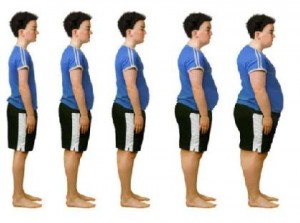
לִרְזוֹת (leer-ZOHT) means to lose weight, or literally, to become thin. This simple verb is derived from the adjective, רָזֶה (rah-ZEH) meaning thin, when referring to a male (the feminine version is רָזָה – rah-ZAH). A more professional, polite version of the term is לָרֶדֶת בַּמִּשְׁקָל (lah-REH-det bah-meesh-KAHL) – literally, to go down in the weight.


You may recall this root appearing in the introductory prayer for rain made a few days ago: רָזוֹן (rah-ZOHN) refers to gauntness, or in the case of the prayer, famine, whereas שֹׂבַע (SOH-vah) refers to satiation.
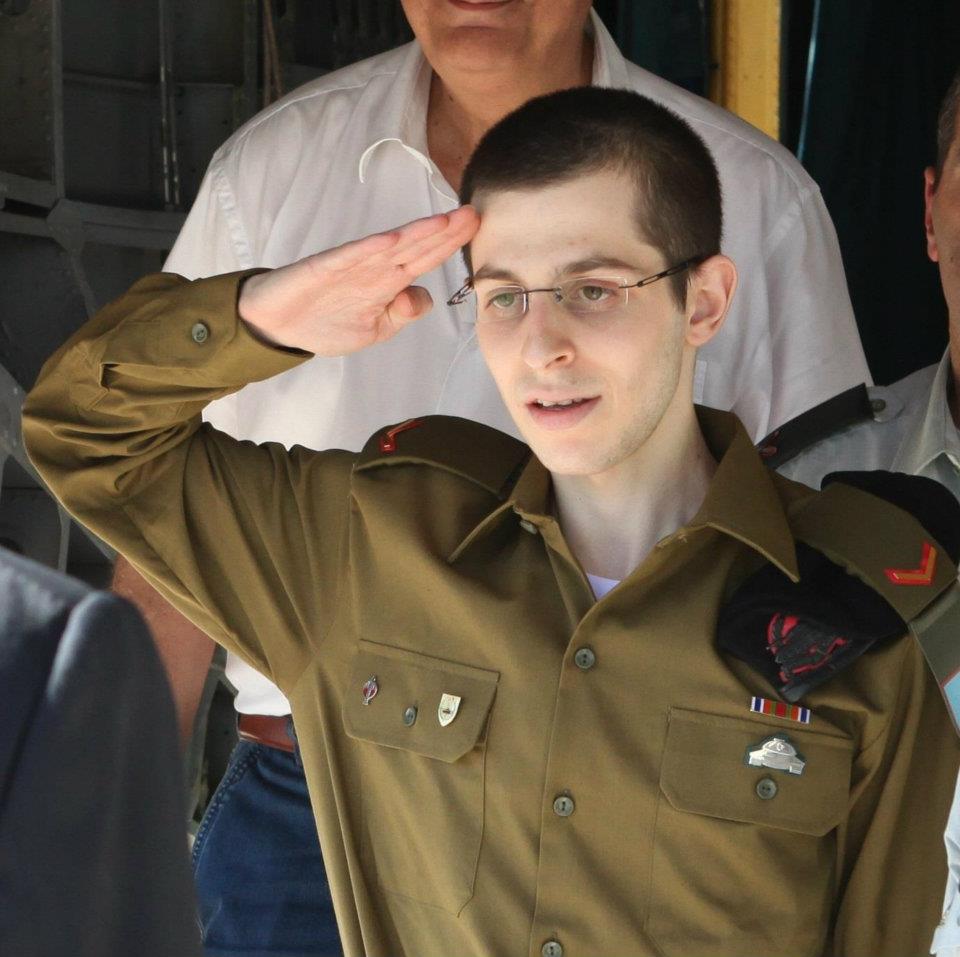

 
גלעד שליט
 
 
The word רָזֶה appears in Shalom Hanoch’s song (performed also by Arik Einstein) that captured the spirit, albeit not exactly, of last week’s release of Gilad Shalit (who returned from his captivity quite רָזֶה himself), a father-son piece on homecoming: כָּמָה טוֹב שֶׁבָּאתָ הַבַּיְתָה (KAH-mah tohv sheh-BAH-tah hah-BAH-ee-tah) – How Great It Is That You’ve Come Home.
 
I’ll be featuring this song on my hour of Israeli music tomorrow, which you can listen to live at noon Israel time at rustymike.com.

Similar Posts

  • how to say “zits” in Hebrew

    [audioclip url=”https://archive.ulpan.com/wp-content/uploads/2018/12/חצקונים-#.m4a” /]חַצְ’קוּנִים Though the title may have grossed you out a bit, I urge you to bear with me as this post gets interesting. English speakers prefer the informal word zits over pimples. Likewise, Israelis prefer slang חצ’קונים[audioclip url=”https://archive.ulpan.com/wp-content/uploads/2018/12/חצקונים-#.m4a” /] over the more technical term פצעונים[audioclip url=”https://archive.ulpan.com/wp-content/uploads/2018/12/חצקונים-#.m4a” /] from the word פצע[audioclip url=”https://archive.ulpan.com/wp-content/uploads/2018/12/חצקונים-#.m4a” /] which means a sore among…

  • 16 Must-Know Beach Words in Hebrew

    1. הים[audioclip url="https://archive.ulpan.com/wp-content/uploads/2020/06/מילים-לים-#.m4a" /] - the beach The word for beach is חוף[audioclip url="https://archive.ulpan.com/wp-content/uploads/2020/06/מילים-לים-#.m4a" /], but Israelis refer to it as הים[audioclip url="https://archive.ulpan.com/wp-content/uploads/2020/06/מילים-לים-#.m4a" /] - the sea. For example: [audioclip url="https://archive.ulpan.com/wp-content/uploads/2020/06/מילים-לים-#.m4a" /]אנחנו הולכים לים, רוצים לבוא? We're going to the beach, want to come? 2. ברד[audioclip url="https://archive.ulpan.com/wp-content/uploads/2020/06/מילים-לים-#.m4a" /] - icee Cool off under the hot Israeli sun...
  • how to say “average” in Hebrew

      having trouble seeing the print? מְמֻצָּע check out the new ulpan.com The Hebrew word for (the) middle is אֶמְצַע . For example: הִיא עוֹמֶדֶת בְּאֶמְצַע הַחֶדֶר. She is standing in the middle of the room. The root of אמצע is מ.צ.ע, which appears as an active-intensive פִּעֵל verb – לְמַצֵּעַ  in the Mishnah:   כְּשֶׁהוּא מְנַחֵם אֶת אֲחֵרִים…

  • how to say “to be born” in Hebrew

    [audioclip url=”https://archive.ulpan.com/wp-content/uploads/2020/01/להיוולד-#.m4a” /]לְהִוָּלֵד He was born, in Hebrew, is הוא נולד[audioclip url=”https://archive.ulpan.com/wp-content/uploads/2020/01/להיוולד-#.m4a” /]. She was born is היא נולדה[audioclip url=”https://archive.ulpan.com/wp-content/uploads/2020/01/להיוולד-#.m4a” /]. These are versions of the נפעל verb להיוולד[audioclip url=”https://archive.ulpan.com/wp-content/uploads/2020/01/להיוולד-#.m4a” /] – to be born. Now, you may be looking at the word להיוולד wondering why there’s no נ[audioclip url=”https://archive.ulpan.com/wp-content/uploads/2020/01/להיוולד-#.m4a” /] – that’s because the n sound…

  • how to say “accent” in Hebrew

    [audioclip url=”https://archive.ulpan.com/wp-content/uploads/2020/08/מבטא-#.m4a” /]מִבְטָא Another great word to know from the root ב.ט.א[audioclip url=”https://archive.ulpan.com/wp-content/uploads/2020/08/מבטא-#.m4a” /] is מבטא[audioclip url=”https://archive.ulpan.com/wp-content/uploads/2020/08/מבטא-#.m4a” /] – accent. For example: [audioclip url=”https://archive.ulpan.com/wp-content/uploads/2020/08/מבטא-#.m4a” /]יש לה מבטא לועזי. She has a foreign accent. and [audioclip url=”https://archive.ulpan.com/wp-content/uploads/2020/08/מבטא-#.m4a” /]הוא אוהב לחקות מבטאים שונים. He likes imitating different accents. In Hebrew liturgy, מבטא also refers to verbal expression, as in…

  • how to say “peak” and “record” in Hebrew

      שִׂיא         Today’s dose of Hebrew is sponsored by Yom Tov   I’ve seen his amazing art at Hechal Shlomo and even acquired a piece myself. Check out Yom Tov’s virtual gallery,  and visit his Kohelet exhibition in Jerusalem. It’s open throughout the summer. I happen to like warm weather – maybe it’s because I…