how to say “to agree” in Hebrew


having trouble seeing the print?

לְהַסְכִּים
 

Learn to Speak Hebrew…
With Us


They say that the second Temple in Jerusalem was destroyed as a result of senseless hatred. Somehow, these days marking the anniversary of that and other Jewish calamities has a way of getting people in Israel quite edgy.
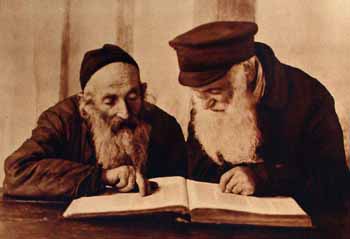
 
 
Something that the rabbis of the Mishnah taught long before the misunderstandings of today unfolded is that it’s okay to disagree.
 
The Hebrew word for to agree is לְהַסְכִּים (  ), an active-causative הִפְעִיל verb of the root ס.כ.מ (s.k.m) first appearing in Mishnaic Hebrew.
 
For example:
 
אֶפְשָׁר לֹא לְהַסְכִּים וּלְהִשָּׁאֵר חֲבֵרִים.
It’s possible to disagree (literally, to not agree) and remain friends.
 
 
Some other related words:
 
הַסְכָּמָה – agreement, approval, the act of agreeing (  )
 
הֶסְכֵּם – formal agreement, treaty (  )
לְסַכֵּם – to summarize, to total, to agree upon (  )
סִכּוּם – summary, conclusion (  )
 
סְכוּם – amount (  )
 
by Ami Steinberger, Founder and Director, Ulpan La-Inyan
Enjoying Your Daily Dose of Hebrew?
Consider making a donation!
 

Similar Posts

  • how to say “hairy” in Hebrew

    [audioclip url=”https://archive.ulpan.com/wp-content/uploads/2015/05/שעיר-1.m4a” /]שָׂעִיר While שיער[audioclip url=”https://archive.ulpan.com/wp-content/uploads/2015/05/שעיר-2.m4a” /] refers to hair in general, שערות[audioclip url=”https://archive.ulpan.com/wp-content/uploads/2015/05/שעיר-3.m4a” /] refers to individual hairs. Nevertheless, שערות can also refer to simply hair. For example: [audioclip url=”https://archive.ulpan.com/wp-content/uploads/2015/05/שעיר-4.m4a” /]אל תשכח לחפוף שערות. Don’t forget to wash your (the) hair. (spoken to a male) Hairy is שעיר[audioclip url=”https://archive.ulpan.com/wp-content/uploads/2015/05/שעיר-1.m4a” /] when referring to a male…

  • how to say “to formulate” in Hebrew

    [audioclip url=”https://archive.ulpan.com/wp-content/uploads/2014/10/לנסח-1.m4a” /]לְנַסֵּחַ To write is לכתוב[audioclip url=”https://archive.ulpan.com/wp-content/uploads/2014/10/לנסח-2.m4a” /]. But to formulate – to write carefully, thoughtfully, looking for the best wording – is לנסח[audioclip url=”https://archive.ulpan.com/wp-content/uploads/2014/10/לנסח-1.m4a” /]. You may recognize its root, נ.ס.ח[audioclip url=”https://archive.ulpan.com/wp-content/uploads/2014/10/לנסח-3.m4a” /], in the word referring to a particular tradition – formulation – of Jewish prayer, נוסח[audioclip url=”https://archive.ulpan.com/wp-content/uploads/2014/10/לנסח-4.m4a” /] (likewise, a formula is…

  • how to say “groundwater” in Hebrew

    [audioclip url=”https://archive.ulpan.com/wp-content/uploads/2020/10/מי-תהום-#.m4a” /]מֵי תְּהוֹם תהום[audioclip url=”https://archive.ulpan.com/wp-content/uploads/2020/10/מי-תהום-#.m4a” /], appearing in both the first and final portions of the Torah, means abyss or the depths. Thus the water found down there is מי תהום[audioclip url=”https://archive.ulpan.com/wp-content/uploads/2020/10/מי-תהום-#.m4a” /] – waters of the depths or groundwater. For example: [audioclip url=”https://archive.ulpan.com/wp-content/uploads/2020/10/מי-תהום-#.m4a” /]הרבה מהמים שאנחנו שותים בישראל באים מהכנרת, והרבה ממי תהום. Lots of water that…

  • how to say “broken link” in Hebrew

    קִשּׁוּר שָׁבוּר[audioclip url=”https://archive.ulpan.com/wp-content/uploads/2014/10/קישור-1.mp3″ /] The Hebrew word for link (as in hyperlink) is קִשּׁוּר[audioclip url=”https://archive.ulpan.com/wp-content/uploads/2014/10/קישור-2.mp3″ /], deriving from the active-intensive application of the root ק.שׁ.ר. (k.sh.r). The word existed before the Internet as well, when it meant liaison or simply a connection. Broken is שָׁבוּר[audioclip url=”https://archive.ulpan.com/wp-content/uploads/2014/10/קישור-3.mp3″ /]. So a broken link is a קישור שבור[audioclip…

  • how do you say “lower the volume!” in Hebrew?

    [audioclip url=”https://archive.ulpan.com/wp-content/uploads/2015/05/תנמיך-1.m4a” /]תַּנְמִיךְ אֶת הַווֹלְיוּם! The Hebrew word for short or low is נמוך[audioclip url=”https://archive.ulpan.com/wp-content/uploads/2015/05/תנמיך-2.m4a” /] (referring to a male or a masculine object) or נמוכה[audioclip url=”https://archive.ulpan.com/wp-content/uploads/2015/05/תנמיך-3.m4a” /] (referring to a female or a feminine object). For example: [audioclip url=”https://archive.ulpan.com/wp-content/uploads/2015/05/תנמיך-4.m4a” /]אתה נמוך מדי לעלות על המתקן. You (a male) are too short to go on the ride…

  • how to say “the cleaners” in Hebrew

    [audioclip url=”https://archive.ulpan.com/wp-content/uploads/2021/04/מכבסה-#.m4a” /]מִכְבָּסָה While כביסה[audioclip url=”https://archive.ulpan.com/wp-content/uploads/2021/04/מכבסה-#.m4a” /] is laundry, מכבסה[audioclip url=”https://archive.ulpan.com/wp-content/uploads/2021/04/מכבסה-#.m4a” /] (colloquially pronounced מַכְבְּסָה[audioclip url=”https://archive.ulpan.com/wp-content/uploads/2021/04/מכבסה-#.m4a” /]*) is a business that specializes in doing people’s laundry for them (or renting them machines to do it themselves), what one might call the cleaners or a laundromat. For example: [audioclip url=”https://archive.ulpan.com/wp-content/uploads/2021/04/מכבסה-#.m4a” /]צריך להביא את הבגדים למכבסה. (We) need…