how to say “salty” and “saltbush” in Hebrew
My סַבְתָּא (SAHV-tah) grandmother is a great cook. She learned how to prepare delicious dishes from her mother back in Hungary before the war.
סבתא has Hungarian taste in food. So from time to time she asks me, אֲתָּה אוֹהֵב דָּג מָלוּחַ (ah-TAH oh-HEV dahg mah-LOO-ahkh) – Do you like salty fish? I say no.
On Wednesday I was doing my radio show on RustyMike, and one of the songs I played contained the word מלוח. The line goes: וְרֵיחַ הַמָּלוּחַ עַל הַמָּיִם… (veh-REH-ahkh hah-mah-LOO-ahkh ahl hah-MAH-yeem). On air, I translated the line thus: …and the smell of salt on the water (referring to the Jordan River). Something didn’t make sense in my translation, but I read on.
After the show, my aunt Bila (סבתא‘s daughter) called me and let me know that the word מלוח in the song actually refers to a plant growing on the banks of the Jordan. In English, this plant is an saltbush:
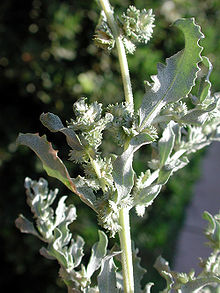
The line then actually made a lot more sense to me.
If you’re familiar with Israeli folk music, you’ve more than likely heard the song I’m talking about, Naomi Shemer
Here‘s the song along with the lyrics translated to English.
To me it’s eerie that I’m delivering to you this song on the day of an attempted terror attack (use Google Translate to get the gist of the article) in the Jordan Valley, the gorgeous part of Israel that sits on the bank of the Jordan. It’s also our route up to Beit Alpha, where we celebrate Shabbat and holidays with Jewish immigrants from Ethiopia.
So how does today’s word connect with this week’s Torah portion? The portion goes on to describe the sacrificial offerings in the Temple and Tabernacle, which usually heralded joy… but sometimes tragedy. The sacrifices were offered with מֶלַח (MEH-lahkh) – salt.
שבת שלום וסוף שבוע נעים לכולם!
Shabbat Shalom and a pleasant weekend to all!