how to say “blame” in Hebrew


אַשְׁמָה, לְהַאֲשִׁים


Note the similarity between the English word shame and the Hebrew word אָשֵׁם (ah-SHEM). The Hebrew word describes a male as guilty. A guilty female would be אֲשֵׁמָה (ah-sheh-MAH).
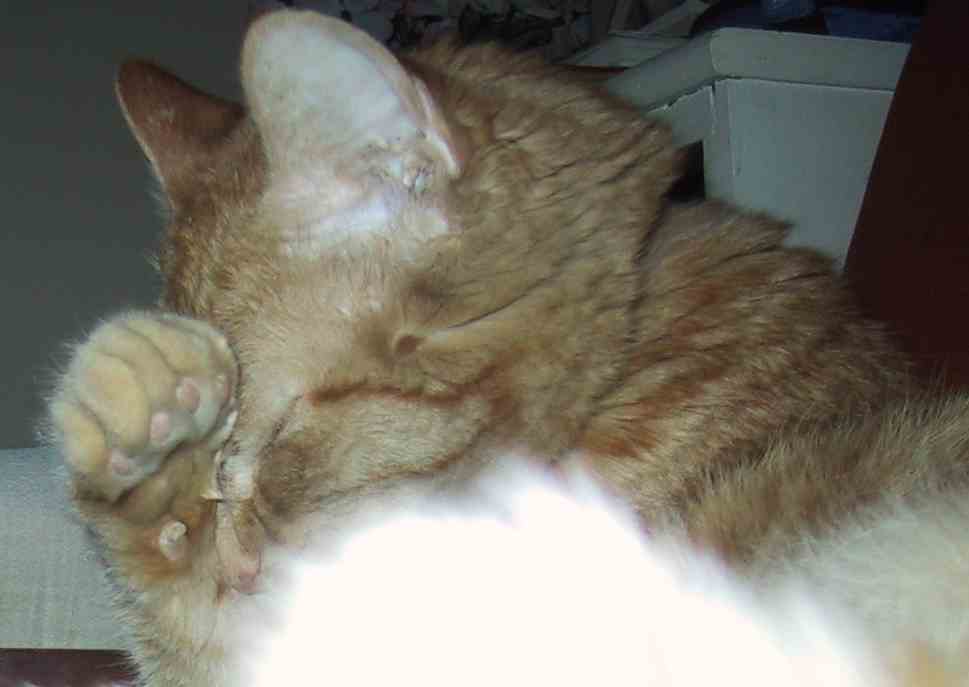
החתול מרגיש אשמה


Guilt, that nasty feeling that might nevertheless provoke us to do good, is אַשְׁמָה. One might say, יֵשׁ לִי רִגְשֵׁי אַשְׁמָה (yesh lee reeg-SHEH-ee ahsh-MAH) – I have guilt feelings (literally, feelings of guilt).


Then there’s to blame someone… or, in Hebrew, to cause them to feel guilty. The word is לְהַאֲשִׁים (leh-hah-ah-SHEEM). It’s in the “causative” הפעיל (heef-EEL) form.


For example, …נְשִׂיא סוּרְיָה אַסַד מַאֲשִׁים (neh-SEE SOOR-yah AH-sahd mah-ah-SHEEM) – The president of Syria, Assad, blames…


Registration is open for our spring session.
Check out our state-of-the-art conversational Hebrew courses
in Jerusalem, Efrat and Raanana.

Similar Posts

  • Weekly YDDH Review

    חֹמֶר לְשִׁנּוּן[audioclip url=”https://archive.ulpan.com/wp-content/uploads/2014/10/review-1.mp3″ /] Review Material You spent time on your Hebrew this week. Use these review materials to make it yours to keep.      To take full advantage of the review material, click on “Choose a study mode” in the bottom right corner of the box above. [audioclip url=”https://archive.ulpan.com/wp-content/uploads/2014/10/review-2.mp3″ /]שבת שלום, וסוף…

  • how to say “to purify” in Hebrew – part 1

      having trouble seeing the print? לְטַהֵר   Become a fan of ours on Facebook! There are two relatively common Hebrew words for to purify. לְטַהֵר (leh-tah-HEHR), an active-intensive פיעל (pee-EL) verb, communicates the idea of causing something to go from unclean, sometimes shameful to spiritually and physically pure. The word is used in both a spiritual/religious context…

  • Just when you thought כי (kee) meant “because”

    כי In Ulpan La-Inyan, we teach that the word כִּי (kee) means because.   This is true. However, it’s got more than one meaning… especially in Biblical Hebrew (check out Dr. Russel Jay Hendel’s piece showing the seven meanings of כי). Think about the English word that (one of the meanings of כי). In English,…

  • how to say “spark” in Hebrew

      having trouble seeing the print? נִיצוֹץ   Announcing our mid-winter session! נִיצוֹץ (nee-TSOHTS) means spark in the physical sense, but the word is used far more often to refer to that spark of life, what some might call a divine spark, within us all – without exception.  The word is an onomatopoeia, just like the English word crackle. …

  • how to say “in a second” in Hebrew

    [audioclip url=”https://archive.ulpan.com/wp-content/uploads/2019/08/תוך-שנייה-#.m4a” /]תּוֹךְ שְׁנִיָּה Like the English word second, Hebrew’s שנייה[audioclip url=”https://archive.ulpan.com/wp-content/uploads/2019/08/תוך-שנייה-#.m4a” /] refers to both to the smallest unit of time that is used in day to day life, as well as that which comes after the first. In a second is תוך שנייה[audioclip url=”https://archive.ulpan.com/wp-content/uploads/2019/08/תוך-שנייה-#.m4a” /] – literally, within a second. For example: [audioclip url=”https://archive.ulpan.com/wp-content/uploads/2019/08/תוך-שנייה-#.m4a” /]תוך שנייה אני מגיע. I’ll…