
how to say “mood” in Hebrew
having trouble seeing the print?
מַצַּב רוּחַ
Sometimes I feel like singing. And sometimes I don’t. I bet you’re the same way.
The Hebrew term for mood is מַצַּב רוּחַ listen and repeat – literally, state of spirit or situation of spirit.
listen and repeat – literally, state of spirit or situation of spirit.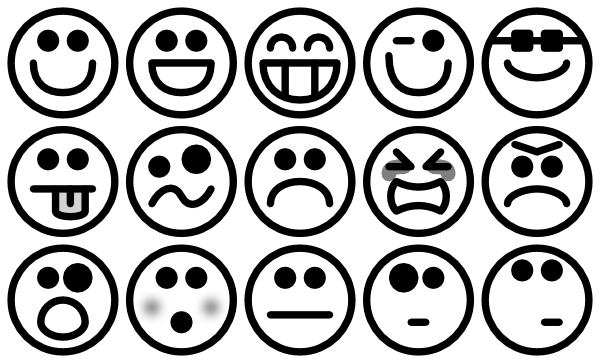
The quality of the מצב רוח can often be determined by context, even without describing it directly, in such informal expressions as:
יֵשׁ לָהּ מַצַּב רוּחַ.
She’s in a good mood (literally, she has mood).
and
אֵין לוֹ מַצַּב רוּחַ.
He’s in a bad mood (literally, he doesn’t have mood).
הֵם בְּמַצַּב רוּחַ טוֹב.
They are in a good mood.
To say that someone is in a bad mood, you might also the abbreviated slang word מְצֻבְרַח listen and repeat, for example:
listen and repeat, for example:הַיַּלְדָּה לֹא יָשְׁנָה מַסְפִּיק בַּלַּילָה, וְלָכֵן הִיא מְצֻבְרַחַת.
The girl didn’t sleep enough at night, so she’s moody.