how to say “judgmental” in Hebrew


having trouble seeing the print?

שִׁפּוּטִי


The Torah portion to be read this Shabbat by Jews around the world is called מִשְׁפָּטִים (meesh-pah-TEEM), literally, ordinances or rules. The root of this word is שׁ.פ.ט (sh.p.t), meaning judgment. 
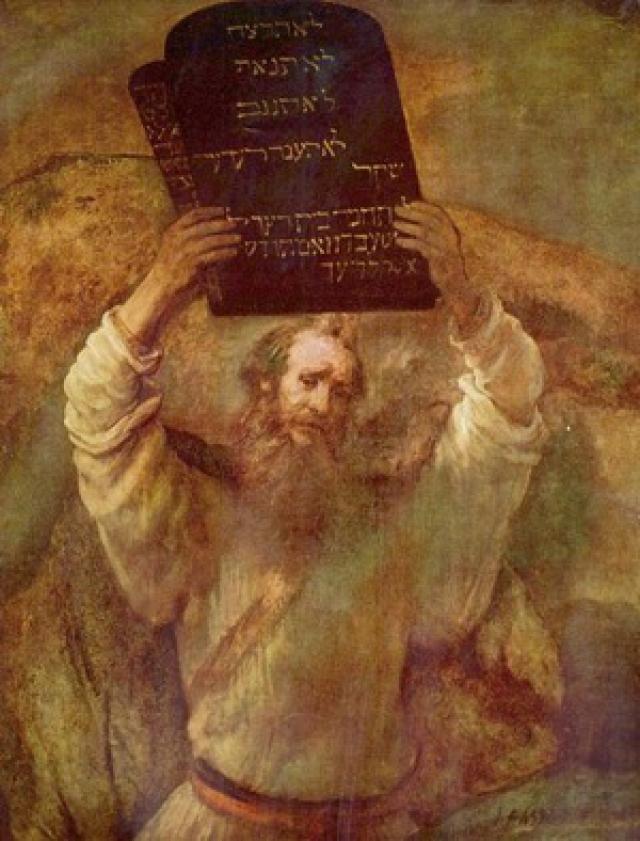

To judge, in both the legalistic sense and in the interpersonal sense, is לִשְׁפּוֹט (leesh-POHT), while a שׁוֹפֵט (shoh-FET) is a judge (when a male). The Biblical story of Moses and the Israelite slaves expresses both senses of to judge in the phrase, מִי שָׂמְךָ לְאִישׁ שָׂר וְשׁוֹפֵט עָלֵינו (mee sah-meh-KHAH leh-EESH sahr veh-shoh-FET ah-LEH-ee-noo) – who placed you as a minister and judge upon us? The Israelite slaves in that passage are referring to Moses as a judge as well as a man being judgmental.


The Modern Hebrew word for judgmental is שִׁפּוּטִי (shee-poo-TEE). Likewise, nonjudgmental is simply לֹא שִׁפּוּטִי (loh shee-poo-TEE).


Oftentimes a judge, a שופט, is needed… and we all have a שופט or שׁוֹפֶטֶת (shoh-FEH-tet – the feminine form) within us. But the general approach of being לא שיפוטי is what makes relationships blossom… and, with שִׁפּוּטִיּוּת  (shee-poo-tee-YOOT) – judgmentalism – restricted to the legal realm – makes the world a better place.


שבת שלום, וסוף שבוע נעים לכולם!
Shabbat Shalom, and a pleasant weekend to all!

 
Check out Ulpan La-Inyan’s 
2012 Course Calendars! (using Google) 
to be found on some of the branch homepages

Similar Posts

  • Weekly Hebrew Review – a dizzying experience fencing on the dry land with a used sword

    חֹמֶר לְשִׁנּוּן[audioclip url=”https://archive.ulpan.com/wp-content/uploads/2014/10/review-1.mp3″ /] Review Material Can’t read Hebrew yet? You spent time on your Hebrew this week. Use these review materials to make it yours to keep. Flashcards . Scatter . Gravity . Test Blast from the Past Crossword Puzzle! [audioclip url=”https://archive.ulpan.com/wp-content/uploads/2014/10/review-2.mp3″ /]שבת שלום, וסוף שבוע נעים! Shabbat Shalom, and have a nice weekend!

  • daily video – how to say “to fall in love” in Hebrew

    To slow down the audio or to turn on captions (CC), start playing the video and then click the settings icon ⚙️. LEARNING TIPS Hebrew beginners Watch with English captions a few times, then with Hebrew captions, then without captions, and see what you understand. Intermediate learners Watch without captions, pausing to write down what...
  • how to say “to plan” in Hebrew

    [audioclip url=”https://archive.ulpan.com/wp-content/uploads/2018/10/לתכנן-#.m4a” /]לְתַכְנֵן The Hebrew word for a plan – תוכנית[audioclip url=”https://archive.ulpan.com/wp-content/uploads/2018/10/לתכנן-#.m4a” /] – takes the word for content – תוכן[audioclip url=”https://archive.ulpan.com/wp-content/uploads/2018/10/לתכנן-#.m4a” /] – and activates it with an ית-[audioclip url=”https://archive.ulpan.com/wp-content/uploads/2018/10/לתכנן-#.m4a” /] ending. Modern Hebrew takes תוכנית and turns it into a verb with a פיעל structure, לתכנן[audioclip url=”https://archive.ulpan.com/wp-content/uploads/2018/10/לתכנן-#.m4a” /]. Its root is ת.כ.נ.נ[audioclip url=”https://archive.ulpan.com/wp-content/uploads/2018/10/לתכנן-#.m4a” /], though its original…

  • how to say “to convince” in Hebrew

    [audioclip url=”https://archive.ulpan.com/wp-content/uploads/2018/10/לשכנע-#.m4a” /]לְשַׁכְנֵעַ To succumb or to surrender, in Hebrew, is the נפעל verb להיכנע[audioclip url=”https://archive.ulpan.com/wp-content/uploads/2018/10/לשכנע-#.m4a” /]. For example: [audioclip url=”https://archive.ulpan.com/wp-content/uploads/2018/10/לשכנע-#.m4a” /]אנחנו לא ניכנע! We will not surrender! להיכנע appears in Biblical Hebrew, where it means to humble oneself, which is what one does when surrendering. The word’s root is כ.נ.ע[audioclip url=”https://archive.ulpan.com/wp-content/uploads/2018/10/לשכנע-#.m4a” /]. But since the causative הפעיל usage…

  • how to say “don’t bother me” in Hebrew

    [audioclip url=”https://archive.ulpan.com/wp-content/uploads/2015/05/להפריע-1.m4a” /]אַל תַּפְרִיעַ לִי The title of an ancient Egyptian king is Pharaoh, פרעה[audioclip url=”https://archive.ulpan.com/wp-content/uploads/2015/05/להפריע-2.m4a” /] in Hebrew. But though it’s composed of the letters פ.ר.ע[audioclip url=”https://archive.ulpan.com/wp-content/uploads/2015/05/להפריע-3.m4a” /], the authentically Egyptian word פרעה has nothing to do with the authentic Hebrew root פ.ר.ע meaning loose, let go. The Hebrew פ.ר.ע forms, among others, the root…