
how to say “it turns out” in Hebrew

Suppose one summer afternoon you get all dressed up for a wedding, make your way to the bus station, board a coach poised for a drive of an hour and a half, and arrive at the hall, only to discover that the wedding is next Monday. You check the invitation when you get home and it turns out that you hadn’t looked at it carefully enough.
This was me – about two years ago.
To say it turns out in Hebrew, you’d use the word מִסְתַּבֵּר (mees-tah-BEHR). For instance, מִסְתַּבֵּר שֶׁהַחֲתֻּנָה הִיא רַק בַּשָּׁבוּעַ הַבָּא – turns out that the wedding is only next week (mees-tah-BEHR sheh-hah-khah-too-NAH hee rahk bah-shah-VOO-ah hah-BAH).
I just did a check to see how the word’s root, ס.ב.ר (s.b.r) is used in Biblical Hebrew, וּמסתבר (oo-mees-tah-BEHR) that it doesn’t even appear in the Bible. Rather, ס.ב.ר is the Aramaic equivalent of the Hebrew root for thinking, ח.ש.ב (kh.sh.b).
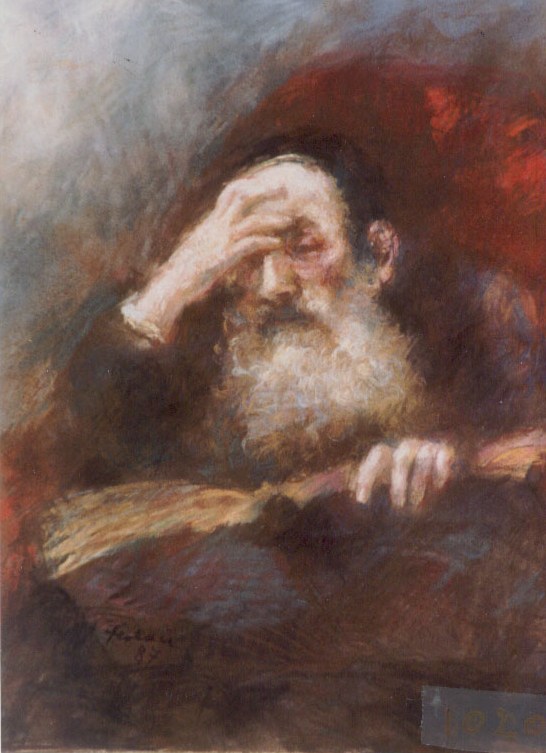
ס.ב.ר entered the Hebrew language early on, showing up in Ethics of the Fathers, 4:15 as סֵבֶר פָּנִים יָפוֹת – a pleasant facial expression or intent (SEH-vehr pah-NEEM yah-FOHT). It entered the Yeshiva world as סְבָרָה – reasoning (seh-vah-RAH), and finally Modern Hebrew usage en masse in the active-causative הפעיל (heef-EEL) verb, לְהַסְבִּיר – to explain (leh-hahs-BEER).
