how to say “gunshot” in Hebrew

יְרִיָּה

יֶרִי (YEH-ree) is gunfire. יְרִיָּה (yeh-ree-YAH) is the act of shooting, as well as a gunshot. The latter comes from the verb לִירוֹת (lee-ROHT) – to shoot.


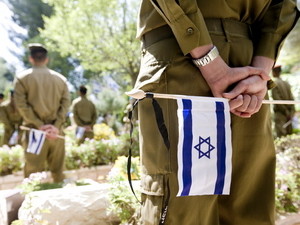
On יוֹם הַזִּכָּרוֹן (yohm hah-zee-kah-ROHN) – Memorial Day for the fallen soldiers (at that time not yet designated for the victims of terror) – in 1995, I stood outside the military cemetery in Raanana with my fellow ninth-graders. This was a crucial moment that had been building up for me ever since the summer, when my parents acted on a decision to make aliyah, at which time I nearly kicked and screamed to stay in the States… and then to leave Israel when we arrived. It worked (albeit only partly my doing) – we ended up returning the following summer.


Slowly but surely, over the course of the school year, I made new friends, became more comfortable and familiar with the culture… I participated in the activities provided by a religious Zionist youth movement, and thus my bond with Israel grew underneath the day-to-day fun and challenges of being fourteen years old. By יום הזכרון, I was no longer fighting to go back to LA. I was beginning to see life and the world differently.


There I stood that morning, assembled with my peers and my teachers, as the two-minute siren went off at 11am. We all stood silently in respect of those who had given their lives so that we could stand there. 


And after the siren came the gunshots – הַיְּרִיּוֹת (hah-yeh-ree-YOHT). These were blanks – ceremonial shots fired to pay respect and to jolt our attention. At that moment my attention went deep into my soul, as well as outwards; at that moment I understood that I was a part of this great nation that had survived an exile of two thousand years, Crusades, an Inquisition, pogroms, a Holocaust, wars threatening our annihilation… I understood that the people in the State of Israel were taking their destiny into their own hands (my trust in G-d came later)… and more so, that something big, really important in world history was happening right here in the historically and eternally holy land.
טקס צבאי


Sixteen years ago I heard the יריות, and I understood that without them, we would not have a State at all. We might not even have a Jewish people without the יריות.


At that moment I decided that I want to be a part of this destiny. So I decided that even if my family were to return to the States, I would make Israel my home one day.
 

Similar Posts

  • WEEKLY REVIEW – Make this Week’s Doses of Hebrew Your Own

    חֹמֶר לְשִׁנּוּן[audioclip url=”https://archive.ulpan.com/wp-content/uploads/2014/10/review-1.mp3″ /] Review Material Can’t read Hebrew yet? You spent time on your Hebrew this week. Use these review materials to make it yours to keep. Flashcards Game Test [audioclip url=”https://archive.ulpan.com/wp-content/uploads/2014/10/review-2.mp3″ /]שַׁבָּת שָׁלוֹם, וְסוֹף שָׁבוּעַ נָעִים! Shabbat Shalom, and have a nice weekend!

  • Weekly YDDH Review

    חֹמֶר לְשִׁנּוּן[audioclip url=”https://archive.ulpan.com/wp-content/uploads/2014/10/review-1.mp3″ /] Review Material You spent time on your Hebrew this week. Use these review materials to make it yours to keep.      To take full advantage of the review material, click on “Choose a study mode” in the bottom right corner of the box above. [audioclip url=”https://archive.ulpan.com/wp-content/uploads/2014/10/review-2.mp3″ /]שבת שלום, וסוף…

  • how to say “I’m interested” in Hebrew

    [audioclip url=”https://archive.ulpan.com/wp-content/uploads/2018/10/מעוניין-#.m4a” /]אֲנִי מְעֻנְיָן, מְעַנְיֵן אֹתִי לָדַעַת… How do you say interesting in Hebrew? [audioclip url=”https://archive.ulpan.com/wp-content/uploads/2018/10/מעוניין-#.m4a” /]מעניין For example: [audioclip url=”https://archive.ulpan.com/wp-content/uploads/2018/10/מעוניין-#.m4a” /]זה לא מוזיאון מעניין במיוחד. It’s not a particularly interesting museum. And what about interested, as in I’m interested? Depends on what you want to say. If your entire statement is I’m interested or if you’re interested in…

  • How to say “The Middle East” in Hebrew

    המזרח התיכון   The word תִּכוֹן appears in the Bible as the middle-beam crossing the מִשְׁכָּן (meesh-KAHN – the holy tabernacle).    The word מִזְרַח (meez-RAH), also appearing in the Bible, comes from the root ז.ר.ח. (z.r.h.). This root represents the sun rising, which occurs in the east.   Placed in sequence, הַמזרח הַתיכון (ha-meez-RAH…

  • how to say “duvet” in Hebrew

    [audioclip url=”https://archive.ulpan.com/wp-content/uploads/2019/11/פוך-#.m4a” /]שְׂמִיכַת פּוּךְ You may know the Hebrew word for blanket – שמיכה[audioclip url=”https://archive.ulpan.com/wp-content/uploads/2019/11/פוך-#.m4a” /], but did you know its spelled with a שׂ[audioclip url=”https://archive.ulpan.com/wp-content/uploads/2019/11/פוך-#.m4a” /] and not a ס[audioclip url=”https://archive.ulpan.com/wp-content/uploads/2019/11/פוך-#.m4a” /]?  Anyway, a duvet – that special quilt for winter – is שמיכת פוך[audioclip url=”https://archive.ulpan.com/wp-content/uploads/2019/11/פוך-#.m4a” /] or simply פוך[audioclip url=”https://archive.ulpan.com/wp-content/uploads/2019/11/פוך-#.m4a” /]. For example: [audioclip url=”https://archive.ulpan.com/wp-content/uploads/2019/11/פוך-#.m4a” /]איפה…

  • daily video – how to say “to turn over” in Hebrew

    To slow down the audio, start playing the video and then click the settings icon at the bottom-right of the video and change the playback speed. תמליל של הכתוביות בעברית אהלן חברים יקרים המילה "להתהפך" היא מילה שימושית בפני עצמה, היא מופיעה במשפטים כמו "התינוק למד להתהפך לבד" ובביטוי "הוא מתהפך בקברו" וכאן, אני אוסיף...