how to say “spark” in Hebrew


having trouble seeing the print?

נִיצוֹץ
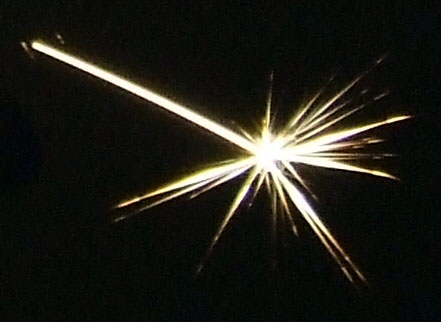


spark

נִיצוֹץ (nee-TSOHTS) means spark in the physical sense, but the word is used far more often to refer to that spark of life, what some might call a divine spark, within us all – without exception. 


The word is an onomatopoeia, just like the English word crackle. 


The plural is נִיצוֹצוֹת (nee-tsoh-TSOHT).


And a divine spark is a נִיצוֹץ אֱ-לֹהִי (nee-TSOTS eh-loh-HEE, sometime pronounced for religious reasons nee-TSOTS eh-loh-KEE).


Bananagrams in Hebrew!
 
…with a special discount for Ulpan La-Inyan enthusiasts (enter code “ULI” to get the discount).
 

Similar Posts

  • how to say “job” in Hebrew

    [audioclip url=”https://archive.ulpan.com/wp-content/uploads/2019/11/משרה-#.m4a” /]מִשְׂרָה It may seem strange, but Hebrew doesn’t have a direct translation for the word job. Rather, it has a few different terms, each with its own unique spin on the word. There’s עבודה[audioclip url=”https://archive.ulpan.com/wp-content/uploads/2019/11/משרה-#.m4a” /], which means literally work. It’s the right word to use for job in the general sense: [audioclip url=”https://archive.ulpan.com/wp-content/uploads/2019/11/משרה-#.m4a”…

  • how to say “the wine industry” in Hebrew

    [audioclip url=”https://archive.ulpan.com/wp-content/uploads/2018/08/תעשיית-היין-#.m4a” /]תַּעֲשִׂיַּת הַיַּיִן Such a beloved item among people, it’s no surprise that the word for wine is similar in many languages. In Hebrew, it’s יין[audioclip url=”https://archive.ulpan.com/wp-content/uploads/2018/08/תעשיית-היין-#.m4a” /]. Here’s a Biblical example: [audioclip url=”https://archive.ulpan.com/wp-content/uploads/2018/08/תעשיית-היין-#.m4a” /]ויין ישמח לבב אנוש. (תהלים ק”ד, ט”ו) And wine gladdens the human heart. (Psalms 104:15) The word for industry is תעשייה[audioclip url=”https://archive.ulpan.com/wp-content/uploads/2018/08/תעשיית-היין-#.m4a”…

  • להירשם – Hebrew for “on the books” (registration!)

    להירשם   On the occasion of the upcoming session of Ulpan La-Inyan (in Jerusalem and Tel Aviv!!!!), today’s dose of Hebrew is לְהֵרָשֵׁם (le-heh-rah-SHEM) – to register.    For example, you might say something like אֲנִי כָּל כַּךְ רוֹצֶה/רוֹצָה להירשם לַקּוּרְס שֶׁל אוּלְפָּן לָעִנְיָן! (ah-NEE kohl KAHKH roh-TSEH/roh-TSAH le-heh-rah-SHEM lah-KOORSS shel ool-PAH lah-een-YAHN) – I…

  • how to say “email” in Hebrew

    [audioclip url=”https://archive.ulpan.com/wp-content/uploads/2014/10/מייל-1.m4a” /]דֹּאַר אֶלֶקְטְרוֹנִי, מֵיְיל The proper Hebrew term for email (well, it’s half Hebrew) is דואר אלקטרוני[audioclip url=”https://archive.ulpan.com/wp-content/uploads/2014/10/מייל-2.m4a” /] – literally, electronic mail. The term is abbreviated in writing to דוא”ל. For example: [audioclip url=”https://archive.ulpan.com/wp-content/uploads/2014/10/מייל-3.m4a” /]שלחתי לה את הקובץ בדוא”ל. I sent her the file via email. But the word used far more commonly is simply מייל[audioclip url=”https://archive.ulpan.com/wp-content/uploads/2014/10/מייל-4.m4a”…

  • how to say “treasure” in Hebrew

    [audioclip url=”https://archive.ulpan.com/wp-content/uploads/2022/02/אוצר-#.m4a” /]אוֹצָר The word אוצר[audioclip url=”https://archive.ulpan.com/wp-content/uploads/2022/02/אוצר-#.m4a” /] means both treasure and treasury (Israel’s Ministry of Finance is called משרד האוצר[audioclip url=”https://archive.ulpan.com/wp-content/uploads/2022/02/אוצר-#.m4a” /] – literally, Ministry of the Treasury). It’s also a Hebrew name for both girls and boys, though not a common one. Here it is in context: [audioclip url=”https://archive.ulpan.com/wp-content/uploads/2022/02/אוצר-#.m4a” /]הילדה הזאת היא פשוט אוצר. This…

  • how to say “population” in Hebrew

      having trouble seeing the print? אֻכְלוּסִיָּה       The word used in Modern-Hebrew to refer to a specifc population is the same as that used in Mishnaic times: אֻכְלוּסִיָּה (ookh-loo-see-YAH).  For example, גֹּדֶל אֻכְלוּסִיַּת יְרוּשָׁלַיִם מִתְקָרֶבֶת לִשְׁמוֹנֶה מְאוֹת אֶלֶף תּוֹשָׁבִים – the size of the population of Jerusalem is approaching eight hundred thousand residents (GOH-del ookh-loo-see-YAHT yeh-roo-shah-LAH-yeem meet-kah-REH-vet…