
10 Hebrew Words for the High Holidays

שנה חדשה[audioclip url=”https://archive.ulpan.com/wp-content/uploads/2020/09/high-holiday-#.m4a” /] – a new year
The Hebrew word for year is שנה[audioclip url=”https://archive.ulpan.com/wp-content/uploads/2020/09/high-holiday-#.m4a” /], which is related to לשנות[audioclip url=”https://archive.ulpan.com/wp-content/uploads/2020/09/high-holiday-#.m4a” /] – to repeat: years come one after the other in a sort of repetition.
חדשה[audioclip url=”https://archive.ulpan.com/wp-content/uploads/2020/09/high-holiday-#.m4a” /] is the feminine form of new, so that שנה חדשה is a new year.

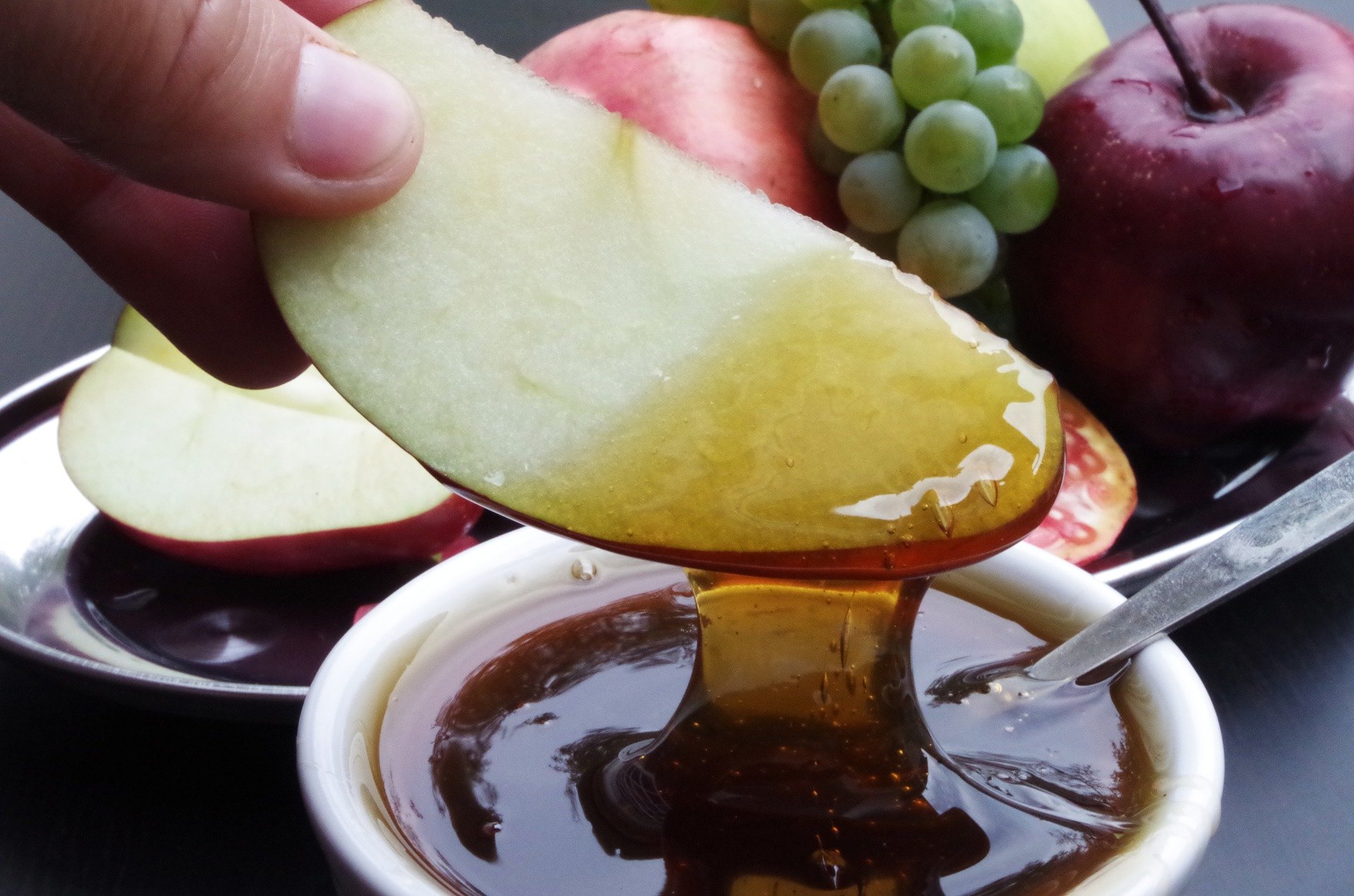
תפוח בדבש[audioclip url=”https://archive.ulpan.com/wp-content/uploads/2020/09/high-holiday-#.m4a” /] – apple (dipped) in honey
What better way to ensure a sweet new year than having apples dipped in honey? תפוח[audioclip url=”https://archive.ulpan.com/wp-content/uploads/2020/09/high-holiday-#.m4a” /] is called such because הוא תופח[audioclip url=”https://archive.ulpan.com/wp-content/uploads/2020/09/high-holiday-#.m4a” /] – it gets plump, having a high volume.
לעזור לנזקקים[audioclip url=”https://archive.ulpan.com/wp-content/uploads/2020/09/high-holiday-#.m4a” /] – helping those in need
לעזור[audioclip url=”https://archive.ulpan.com/wp-content/uploads/2020/09/high-holiday-#.m4a” /] is the basic Hebrew word for to help.
נזקק[audioclip url=”https://archive.ulpan.com/wp-content/uploads/2020/09/high-holiday-#.m4a” /] is someone in need, while multiple people in need are נזקקים[audioclip url=”https://archive.ulpan.com/wp-content/uploads/2020/09/high-holiday-#.m4a” /].
You may also know the word צדקה[audioclip url=”https://archive.ulpan.com/wp-content/uploads/2020/09/high-holiday-צדקה-1.m4a” /] – charity.


לבקש סליחה[audioclip url=”https://archive.ulpan.com/wp-content/uploads/2020/09/high-holiday-#.m4a” /] – to ask for forgiveness
You may know the word סליחה[audioclip url=”https://archive.ulpan.com/wp-content/uploads/2020/09/high-holiday-#.m4a” /] in its everyday meaning of excuse me. But this polite expression actually taps into the deeply human act of forgiveness – סליחה, while to forgive is לסלוח[audioclip url=”https://archive.ulpan.com/wp-content/uploads/2020/09/high-holiday-#.m4a” /].
לבקש[audioclip url=”https://archive.ulpan.com/wp-content/uploads/2020/09/high-holiday-#.m4a” /] is to ask for or to request.
תפילה[audioclip url=”https://archive.ulpan.com/wp-content/uploads/2020/09/high-holiday-#.m4a” /] – prayer
תפילה – prayer – is also the word Israelis use to refer to synagogue services, for example: ניפגש אחרי התפילה[audioclip url=”https://archive.ulpan.com/wp-content/uploads/2020/09/high-holiday-#.m4a” /] – we’ll meet after services / after shul.
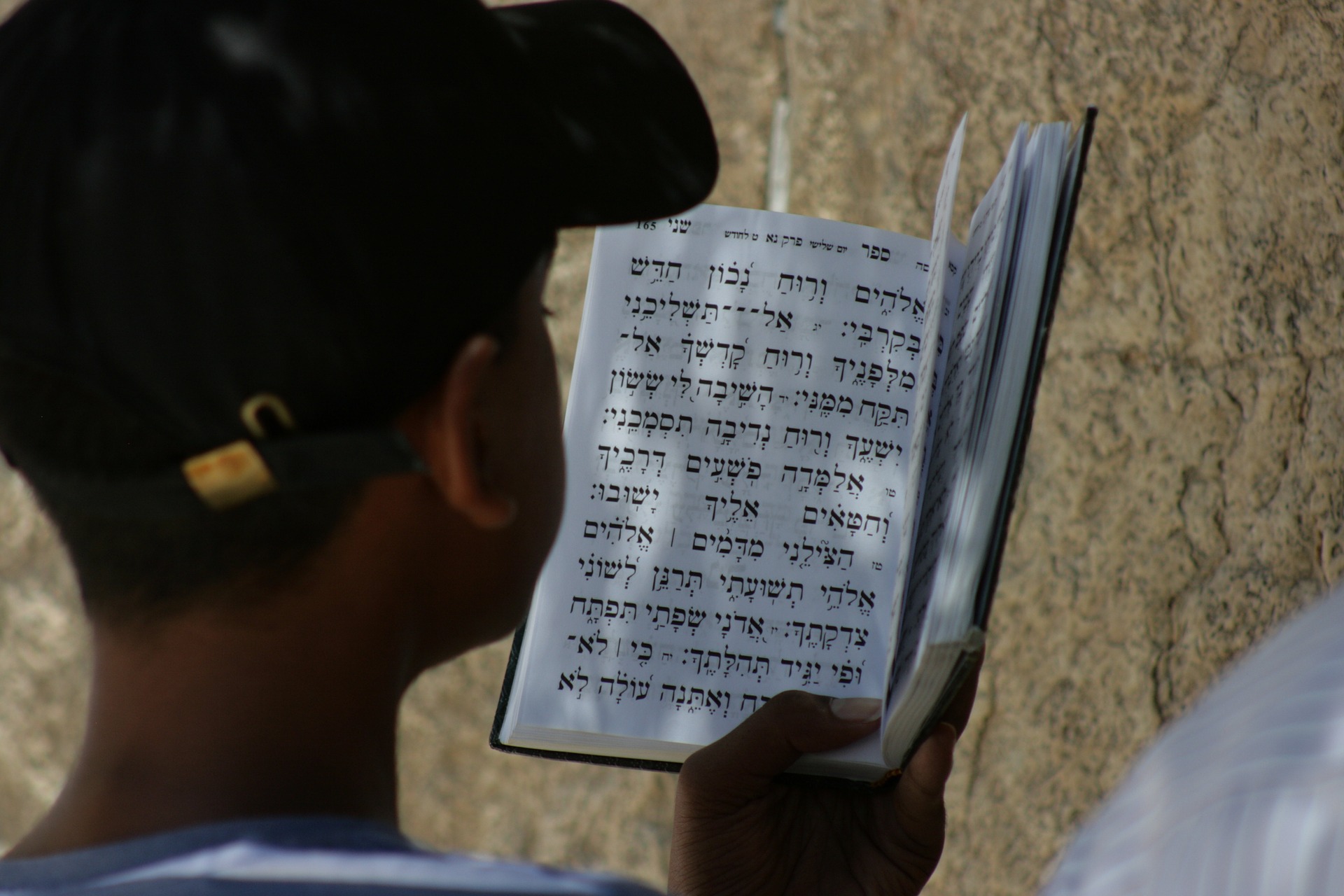

צום[audioclip url=”https://archive.ulpan.com/wp-content/uploads/2020/09/high-holiday-#.m4a” /] – a fast
צום is a fast, while לצום[audioclip url=”https://archive.ulpan.com/wp-content/uploads/2020/09/high-holiday-#.m4a” /] is to fast.
To say, I’m fasting, use אני צם[audioclip url=”https://archive.ulpan.com/wp-content/uploads/2020/09/high-holiday-#.m4a” /] if you’re male and אני צמה[audioclip url=”https://archive.ulpan.com/wp-content/uploads/2020/09/high-holiday-#.m4a” /] if you’re female.
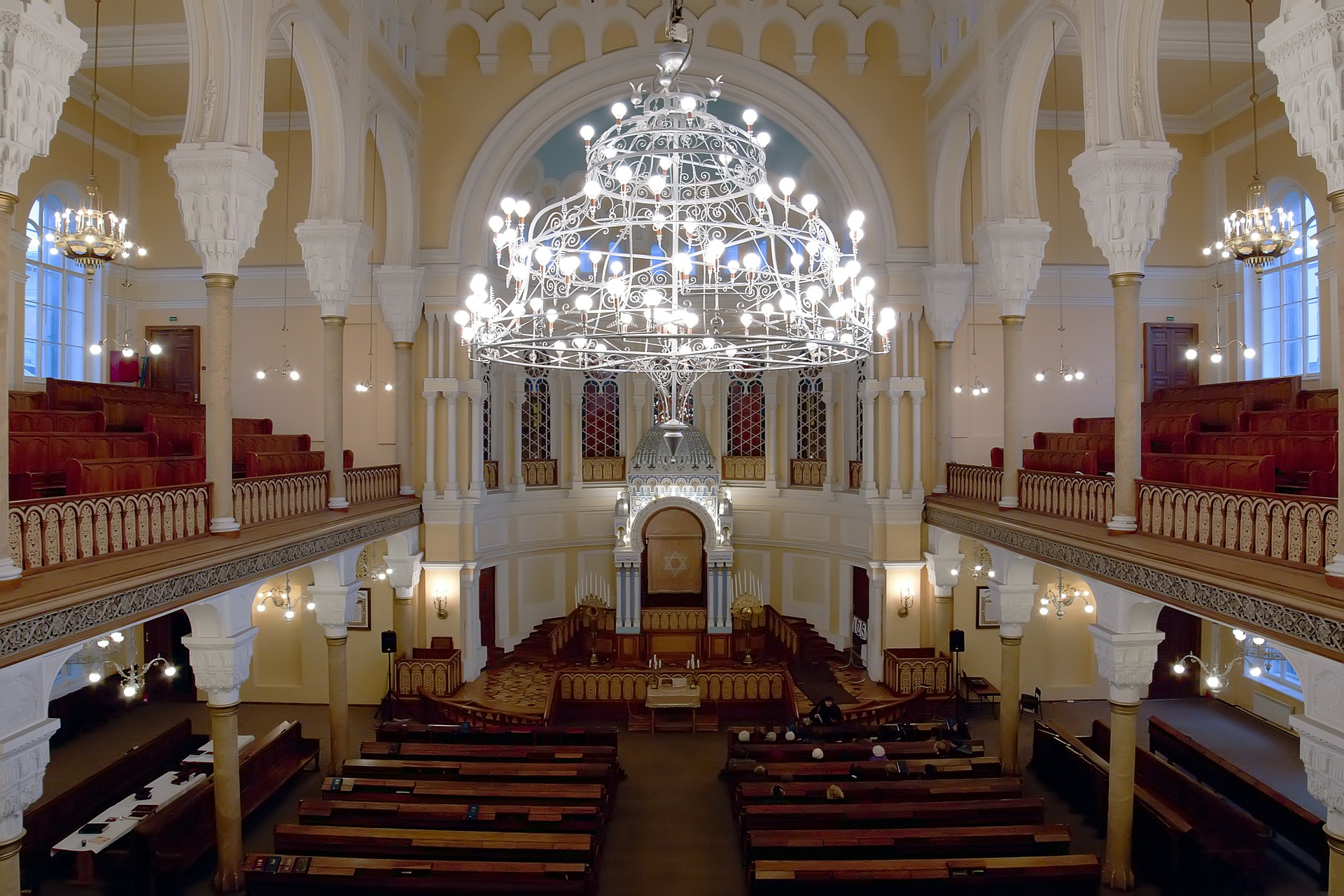
בית כנסת[audioclip url=”https://archive.ulpan.com/wp-content/uploads/2020/09/high-holiday-#.m4a” /] – synagogue
The Greek-derived word synagogue accurately reflects what בית כנסת means literally – house of gathering (just as the Israeli parliament – הכנסת[audioclip url=”https://archive.ulpan.com/wp-content/uploads/2020/09/high-holiday-#.m4a” /] – is a place of gathering). This is the term Israelis use universally – most don’t understand the Yiddish word shul, which English-speaking Jews typically use to refer to the Jewish place of worship.
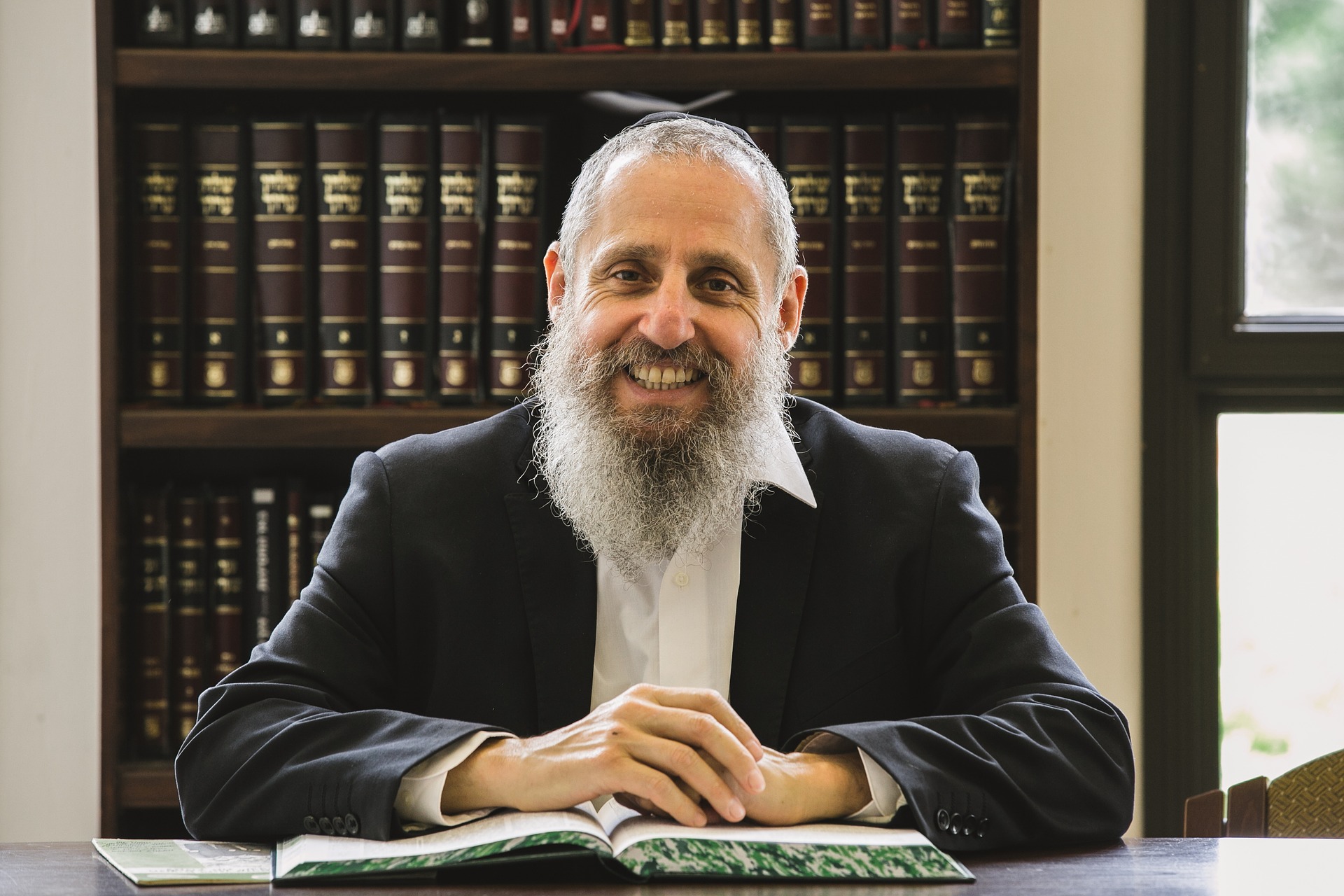
דרשה[audioclip url=”https://archive.ulpan.com/wp-content/uploads/2020/09/high-holiday-#.m4a” /] – rabbi’s speech
The Hebrew word for speech is נאום[audioclip url=”https://archive.ulpan.com/wp-content/uploads/2020/09/high-holiday-#.m4a” /], but the speech that the rabbi gives from the pulpit is called a דרשה. This word goes back thousands of years to the days when rabbis would expound on the biblical text, delivering in spoken lessons what was later recorded as מדרש[audioclip url=”https://archive.ulpan.com/wp-content/uploads/2020/09/high-holiday-#.m4a” /] – Midrash.
The root of דרשה and מדרש is ד.ר.ש[audioclip url=”https://archive.ulpan.com/wp-content/uploads/2020/09/high-holiday-#.m4a” /], which means both studying and demanding.
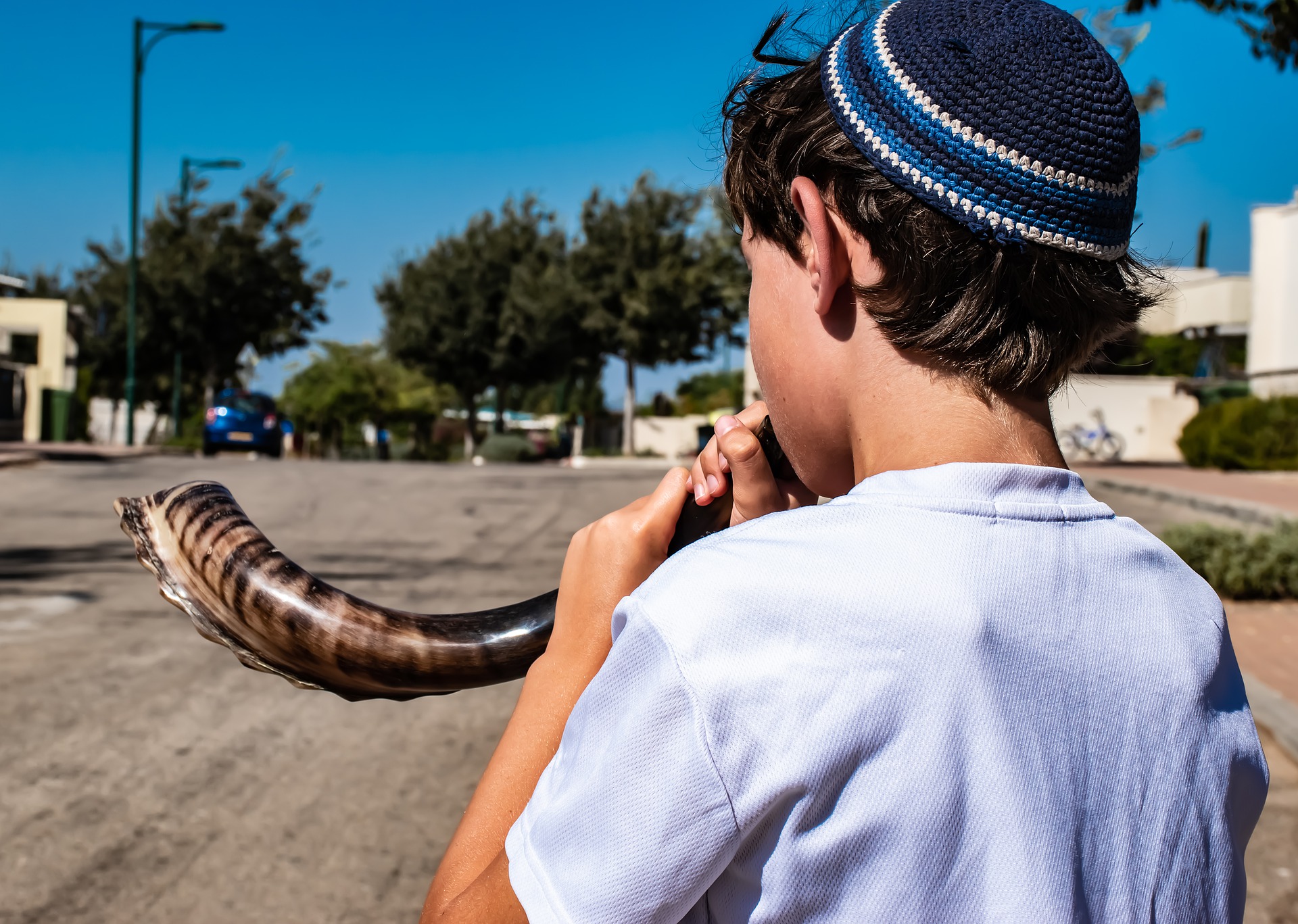
שופר[audioclip url=”https://archive.ulpan.com/wp-content/uploads/2020/09/high-holiday-#.m4a” /] – shofar
The highlight of the ראש השנה[audioclip url=”https://archive.ulpan.com/wp-content/uploads/2020/09/high-holiday-#.m4a” /] – Rosh Hashanah service, the word שופר (a ram’s horn) goes back to the dawn of civilization, where in early Mesopotamia the word referred to a form of cattle. Although it shares the same root as לשפר[audioclip url=”https://archive.ulpan.com/wp-content/uploads/2020/09/high-holiday-#.m4a” /] – to improve and the Aramaic שופרא[audioclip url=”https://archive.ulpan.com/wp-content/uploads/2020/09/high-holiday-#.m4a” /] – beauty, שופר is most likely unrelated to these words.

הימים הנוראים[audioclip url=”https://archive.ulpan.com/wp-content/uploads/2020/09/high-holiday-#.m4a” /] – the high holidays / the days of awe
You may recognize, in the phrase above, the word נורא[audioclip url=”https://archive.ulpan.com/wp-content/uploads/2020/09/high-holiday-#.m4a” /] – awful or terrible. But although some people may experience the sobering days of fasting and long synagogue services this way, the word נורא in the context of הימים הנוראים means awe, so that הימים הנוראים means the days inspiring awe or fear.