How to say “to dedicate” in Hebrew
להקדיש
If you’ve been to a synagogue or a Jewish family for a traditional Shabbat meal, you’re more than likely familiar with the Hebrew word קִדּוֹש (kee-DOOSH) – Kiddush. In many synagogues, this word is associated with cholent, cake and coffee with non-dairy creamer.
The word קידוש itself means sanctification; the root is ק.ד.ש (k.d.sh), which bears the core concept of sanctity – that which is not mundane, but rather special, distinguished.
לְהַקְדִּיש (le-hahk-DEESH) is to dedicate or to set aside.
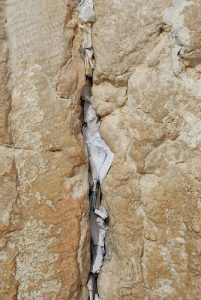
Today marks the opening of what is known in traditional Jewish circles as The Three Weeks. These are the weeks that trace, historically, from the invasion of Jerusalem by the Babylonians to their destruction of the Holy – Sacred – Temple. The latter occurred to both Temples, according to tradition, on the 9th of the Hebrew month of אָב (ahv).
The loss of the Temple signifies the loss of the Jewish dignity. And this is a very special – sacred – dignity.
What is Jewish dignity?
I believe that Jewish dignity is about doing that which is right in God’s (proverbial) eyes. So that when we, as a people, resorted to wanton abandon of any boundaries, and to hatred and pettiness, we stripped ourselves of our dignity. And thus our Temple fell.
I wish to dedicate – להקדיש – the Ktzat Ivrit entries for the next three weeks to words that contribute to the growth and renewal of the Jewish People’s dignity, which has begun taking place in our times. You’ll find entries about caring and love, about listening and empathizing… about the very basic human desire for closeness which, if heeded, can unite us all, allow us to rejoice in our differences, and restore our dignity.
May we – the Jewish people as well as all humanity – build the Temple in our hearts, first and foremost.