how to say “in-laws” in Hebrew
![]() |
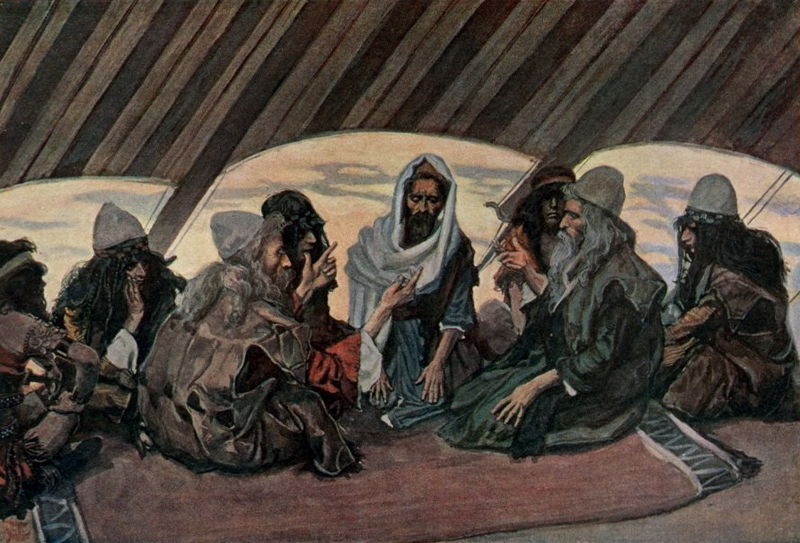
| A live-action shot of משה and יתרו (well, maybe not live-action…) |
![]() |
| A live-action shot of משה and יתרו (well, maybe not live-action…) |
Can’t read Hebrew yet? אָזְנִיּוֹת listen and repeat When I walk around Jerusalem learning Arabic with my language lessons, I make sure people see that I’m wearing headphones (or a Bluetooth), so that they don’t think I’m crazy talking to myself. The Hebrew word for headphones or earphones is אָזְנִיּוֹת listen and repeat,…
[audioclip url=”https://archive.ulpan.com/wp-content/uploads/2014/10/נעלי-ספורט-1.m4a” /]נַעֲלֵי רִיצָה, נַעֲלֵי סְפּוֹרְט If you’ve got some basic Hebrew, you probably know the word for shoes – נעליים[audioclip url=”https://archive.ulpan.com/wp-content/uploads/2014/10/נעלי-ספורט-2.m4a” /]. But there are different types of shoes, such as נעלי ריקוד[audioclip url=”https://archive.ulpan.com/wp-content/uploads/2014/10/נעלי-ספורט-3.m4a” /] – dancing shoes, נעלי ריצה[audioclip url=”https://archive.ulpan.com/wp-content/uploads/2014/10/נעלי-ספורט-4.m4a” /] – running shoes and נעלי טניס[audioclip url=”https://archive.ulpan.com/wp-content/uploads/2014/10/נעלי-ספורט-5.m4a” /] – tennis shoes. Israelis are likely to call any…
חֹמֶר לְשִׁנּוּן[audioclip url=”https://archive.ulpan.com/wp-content/uploads/2014/10/review-1.mp3″ /] Review Material You spent time on your Hebrew this week. Use these review materials to make it yours to keep. To take full advantage of the review material, click on “Choose a study mode” in the bottom right corner of the box above. [audioclip url=”https://archive.ulpan.com/wp-content/uploads/2014/10/review-2.mp3″ /]שבת שלום, וסוף…
[audioclip url=”https://archive.ulpan.com/wp-content/uploads/2018/06/מושבה-#.m4a” /]מוֹשָׁבָה Some of you may know this word from the Religious-Zionist camps of North America, Camp Moshava. Without insinuating that Jews and Israelis are trying to take over the world, מושבה[audioclip url=”https://archive.ulpan.com/wp-content/uploads/2018/06/מושבה-#.m4a” /] does mean colony. In today’s usage, מושבה generally refers to neighborhoods in Israel established by foreign nations such the Greeks and…
having trouble seeing the print? בְּקִרְבַת מָקוֹם To say in Hebrew that something is close, you’d use a form of the word קָרוֹב (kah-ROHV). Likewise, you could talk about the nearby town – הָעֲיָרָה הַקְּרוֹבָה (hah-ah-yah-RAH hah-keh-roh-VAH). In that case, קרובה (a form of קרוב) is describing the town – the word is an adjective….
[audioclip url=”https://archive.ulpan.com/wp-content/uploads/2015/05/בדיחה-1.m4a” /]בְּדִיחָה While to laugh is לצחוק[audioclip url=”https://archive.ulpan.com/wp-content/uploads/2015/05/בדיחה-2.m4a” /], a joke is בדיחה[audioclip url=”https://archive.ulpan.com/wp-content/uploads/2015/05/בדיחה-1.m4a” /]. For example: [audioclip url=”https://archive.ulpan.com/wp-content/uploads/2015/05/בדיחה-3.m4a” /]באופן מפתיע, היא פרצה בצחוק מהבדיחה שלי. Surprisingly, she burst out laughing from my joke. בדיחה came to Hebrew via Aramaic, where in the Talmud we have the expression מילתא דבדיחותא[audioclip url=”https://archive.ulpan.com/wp-content/uploads/2015/05/בדיחה-4.m4a” /] – words of entertainment.