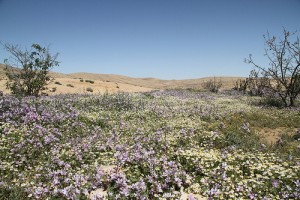
how to say “bloom” and “prosperity” in Hebrew


[audioclip url=”https://archive.ulpan.com/wp-content/uploads/2019/07/כרם-#.m4a” /]כֶּרֶם Here’s another beautiful Hebrew name: כרם[audioclip url=”https://archive.ulpan.com/wp-content/uploads/2019/07/כרם-#.m4a” /]. But departing from the trend, this one’s for girls (at least usually). Grammatically, though, כרם (meaning vineyard) – is masculine. That’s why the following sentence uses היה[audioclip url=”https://archive.ulpan.com/wp-content/uploads/2019/07/כרם-#.m4a” /] (a masculine conjugation) and not הייתה[audioclip url=”https://archive.ulpan.com/wp-content/uploads/2019/07/כרם-#.m4a” /] (a feminine conjugation) for was: [audioclip url=”https://archive.ulpan.com/wp-content/uploads/2019/07/כרם-#.m4a” /]לשלמה…
[audioclip url=”https://archive.ulpan.com/wp-content/uploads/2018/06/מתמטיקה-#.m4a” /]מָתֶמָטִיקָה Yesterday we saw that one of the meaning of the word חשבון[audioclip url=”https://archive.ulpan.com/wp-content/uploads/2018/06/מתמטיקה-#.m4a” /] is arithmetic, which comes from the authentic Hebrew root ח.ש.ב[audioclip url=”https://archive.ulpan.com/wp-content/uploads/2018/06/מתמטיקה-#.m4a” /] meaning thinking. Unlike חשבון, the word for math in general is the international one: מתמטיקה[audioclip url=”https://archive.ulpan.com/wp-content/uploads/2018/06/מתמטיקה-#.m4a” /]. For example: [audioclip url=”https://archive.ulpan.com/wp-content/uploads/2018/06/מתמטיקה-#.m4a” /]הנושא הראשון שלומדים במתמטיקה הוא חשבון. The first…
[audioclip url=”https://archive.ulpan.com/wp-content/uploads/2021/02/תעדכן-אותי-#.m4a” /]תְּעַדְכֵּן אוֹתִי In English, when we want someone to update us about something, say, the date of a party or whether plane tickets are available, we might say let me know or keep me posted. In Hebrew, we use a future-tense form of לעדכן[audioclip url=”https://archive.ulpan.com/wp-content/uploads/2021/02/תעדכן-אותי-#.m4a” /] – to update. For example: [audioclip url=”https://archive.ulpan.com/wp-content/uploads/2021/02/תעדכן-אותי-#.m4a”…
[audioclip url=”https://archive.ulpan.com/wp-content/uploads/2014/10/אוקיינוס-1.m4a” /]אוֹקְיָנוּס The largest body of water that the first readers of the Hebrew Bible knew was the Mediterranean. They called it הים הגדול[audioclip url=”https://archive.ulpan.com/wp-content/uploads/2014/10/אוקיינוס-2.m4a” /] – the Great Sea. Thus there’s no word in Biblical Hebrew – or Modern Hebrew, for that matter – for ocean. Instead, we use the same word that English borrowed from Ancient…