how to say “to warm up” in Hebrew
having trouble seeing the print?
In the late fall/winter, the days are short, and the weather is often cold.
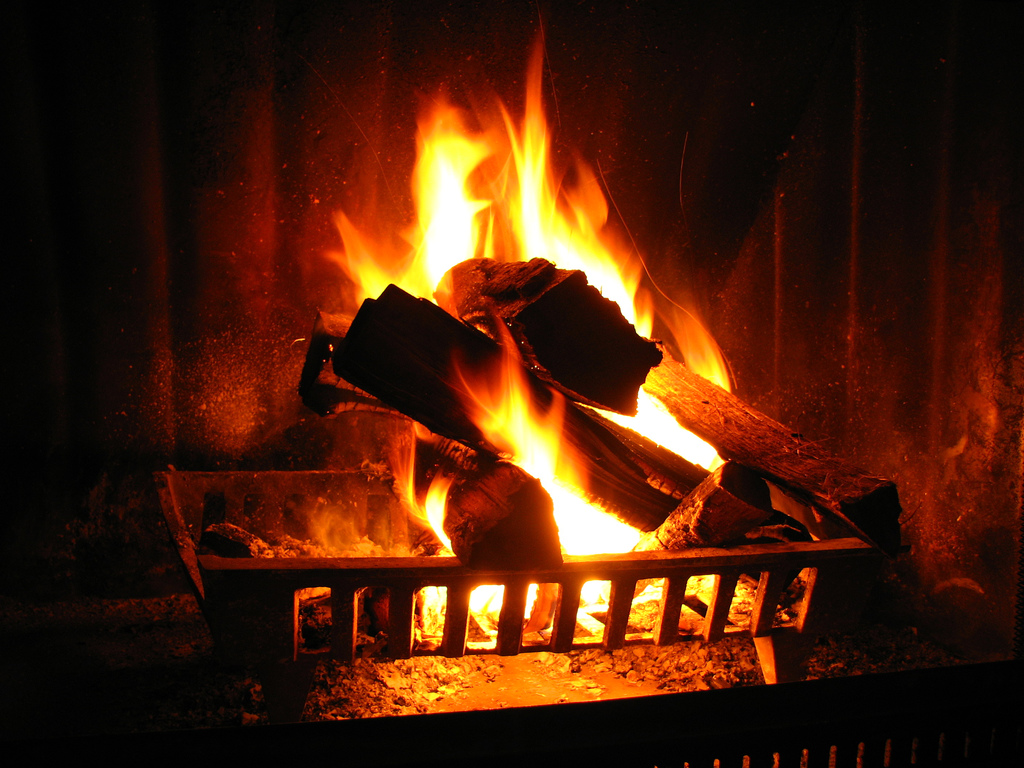
Here’s how to say in Hebrew, to warm up oneself: לְהִתְחַמֵּם
.
For example:
For example:
having trouble seeing the print?
In the late fall/winter, the days are short, and the weather is often cold.
Here’s how to say in Hebrew, to warm up oneself: לְהִתְחַמֵּם
.
For example:

[audioclip url=”https://archive.ulpan.com/wp-content/uploads/2021/12/סירים-#.m4a” /]סִירִים While in English we talk about both pots and pans, in Hebrew we don’t use the literal סירים ומחבתות[audioclip url=”https://archive.ulpan.com/wp-content/uploads/2021/12/סירים-#.m4a” /], but rather just refer to the pans – סירים[audioclip url=”https://archive.ulpan.com/wp-content/uploads/2021/12/סירים-#.m4a” /]. For example: [audioclip url=”https://archive.ulpan.com/wp-content/uploads/2021/12/סירים-#.m4a” /]שים את זה במקום, אורי, איפה שכל הסירים. Put it back (in its place), Uri, where all…
[audioclip url=”https://archive.ulpan.com/wp-content/uploads/2014/10/לשפר-ולשמר-1.m4a” /]לְשַׁפֵּר וּלְשַׁמֵּר The Aramaic word for beauty is שופרא[audioclip url=”https://archive.ulpan.com/wp-content/uploads/2014/10/לשפר-ולשמר-2.m4a” /], of the root ש.פ.ר[audioclip url=”https://archive.ulpan.com/wp-content/uploads/2014/10/לשפר-ולשמר-3.m4a” /]. Hebrew uses this root as well – especially Modern Hebrew, where the active-intensive verb לשפר[audioclip url=”https://archive.ulpan.com/wp-content/uploads/2014/10/לשפר-ולשמר-4.m4a” /] means to improve something – to make something more beautiful, better. For example: [audioclip url=”https://archive.ulpan.com/wp-content/uploads/2014/10/לשפר-ולשמר-5.m4a” /]אתם צריכים לשפר את המשחק שלכם. You guys need…
חֹמֶר לְשִׁנּוּן[audioclip url=”https://archive.ulpan.com/wp-content/uploads/2014/10/review-1.mp3″ /] Review Material Can’t read Hebrew yet? You spent time on your Hebrew this week. Use these review materials to make it yours to keep. Flashcards . Scatter . Gravity . Test [audioclip url=”https://archive.ulpan.com/wp-content/uploads/2014/10/review-2.mp3″ /]שבת שלום, וסוף שבוע נעים! Shabbat Shalom, and have a nice weekend! =”410″> Flashcards . Scatter . Gravity . Test [audioclip url=”https://archive.ulpan.com/wp-content/uploads/2014/10/review-2.mp3″ /]שבת שלום, וסוף שבוע…
[audioclip url=”https://archive.ulpan.com/wp-content/uploads/2020/01/לך-לשלום-#.m4a” /]לֵךְ לְשָׁלוֹם Here’s an expression that Jews (and Israelites) have been using to see off guests and close ones, since biblical times: לך לשלום[audioclip url=”https://archive.ulpan.com/wp-content/uploads/2020/01/לך-לשלום-#.m4a” /] means go in peace, or literally, go towards peace. For example: [audioclip url=”https://archive.ulpan.com/wp-content/uploads/2020/01/לך-לשלום-#.m4a” /]כבר מחר אתה יוצא לדרך? טוב, לך לשלום. You’re going on your way already tomorrow? Okay,…
[audioclip url=”https://archive.ulpan.com/wp-content/uploads/2021/09/שנה-חדשה-#.m4a” /]שָׁנָה חֲדָשָׁה The word שנה[audioclip url=”https://archive.ulpan.com/wp-content/uploads/2021/09/שנה-חדשה-#.m4a” /] – year – is grammatically feminine, which means that the words describing it also need to be grammatically feminine. So that while סרט חדש[audioclip url=”https://archive.ulpan.com/wp-content/uploads/2021/09/שנה-חדשה-#.m4a” /] is a new movie – where סרט[audioclip url=”https://archive.ulpan.com/wp-content/uploads/2021/09/שנה-חדשה-#.m4a” /] is masculine – שנה חדשה[audioclip url=”https://archive.ulpan.com/wp-content/uploads/2021/09/שנה-חדשה-#.m4a” /] is a new year, where חדשה[audioclip…