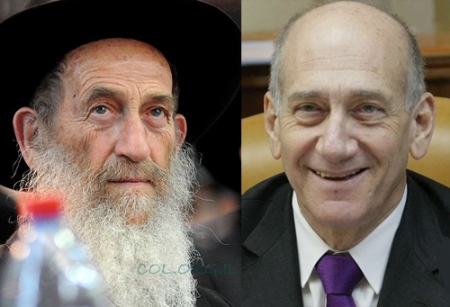
how to say “doppelganger” (or “a double”) in Hebrew
![]() |
| כָּפִיל אוֹ פוֹטוֹשׁוֹפּ?
|
![]() |
| כָּפִיל אוֹ פוֹטוֹשׁוֹפּ?
|
[audioclip url=”https://archive.ulpan.com/wp-content/uploads/2015/05/דוגרי-1.m4a” /]דּוּגְרִי Here’s another word that arrived in Hebrew via a foreign language: the slang word דוגרי[audioclip url=”https://archive.ulpan.com/wp-content/uploads/2015/05/דוגרי-1.m4a” /], straight up or direct. It originated in Turkish (doğru meaning right or correct), traveled south and came to Hebrew via the local Arabic word دُغْرِيّ (dughri) meaning straight (this I learned in a cab with an Arab driver). Imagine you’re an…
בְּוַדַּאי[audioclip url=”https://archive.ulpan.com/wp-content/uploads/2014/10/בוודאי-1.mp3″ /] The most literal Hebrew translation for the English certainly is בְּוַדַּאי[audioclip url=”https://archive.ulpan.com/wp-content/uploads/2014/10/בוודאי-1.mp3″ /] or simply וַדַּאי[audioclip url=”https://archive.ulpan.com/wp-content/uploads/2014/10/בוודאי-2.mp3″ /], as in: [audioclip url=”https://archive.ulpan.com/wp-content/uploads/2014/10/בוודאי-3.mp3″ /]זֶה בּוַדַּאי לֹא הַמָּקוֹם לְעִשּׁוּן. This is certainly not the place for smoking. Though these words are borrowed from Aramaic, it seems to me likely that their root is the…
זהות If you’ve lived in Israel or have taken Level 2 of Ulpan La-Inyan, you’re familiar with the term for ID card – תְּעוּדַת זְהוּת (teh-oo-DAHT zeh-HOOT). The word זהות itself means identity. Its root is זֶה (zeh), which means this. Identity is “this-ness.” Today, perhaps more so than ever, it’s critical that…
חֹמֶר לְשִׁנּוּן[audioclip url=”https://archive.ulpan.com/wp-content/uploads/2014/10/review-1.mp3″ /] Review Material You spent time on your Hebrew this week. Use these review materials to make it yours to keep. To take full advantage of the review material, click on “Choose a study mode” in the bottom right corner of the box above. [audioclip url=”https://archive.ulpan.com/wp-content/uploads/2014/10/review-2.mp3″ /]שבת שלום, וסוף…
[audioclip url=”https://archive.ulpan.com/wp-content/uploads/2018/08/לא-משנה-#.m4a” /]לֹא מְשַׁנֶּה One of the Hebrew words for different is שונה[audioclip url=”https://archive.ulpan.com/wp-content/uploads/2018/08/לא-משנה-#.m4a” /]. Taking its root ש.נ.ה[audioclip url=”https://archive.ulpan.com/wp-content/uploads/2018/08/לא-משנה-#.m4a” /] and plugging it into the פיעל verb form, we get לשנות[audioclip url=”https://archive.ulpan.com/wp-content/uploads/2018/08/לא-משנה-#.m4a” /] – to change something. For example: [audioclip url=”https://archive.ulpan.com/wp-content/uploads/2018/08/לא-משנה-#.m4a” /]עלינו על הכביש הלא נכון – צריך לשנות כיוון. We got on the wrong road…
חֹמֶר לְשִׁנּוּן[audioclip url=”https://archive.ulpan.com/wp-content/uploads/2014/10/review-1.mp3″ /] Review Material You spent time on your Hebrew this week. Use these review materials to make it yours to keep. To take full advantage of the review material, click on “Choose a study mode” in the bottom right corner of the box above. [audioclip url=”https://archive.ulpan.com/wp-content/uploads/2014/10/review-2.mp3″ /]שבת שלום, וסוף…