Weekly Hebrew Review – a story is told, classified information, and other passive-intensives

חֹמֶר לְשִׁנּוּן[audioclip url=”https://archive.ulpan.com/wp-content/uploads/2014/10/review-1.mp3″ /]
Review Material

Can’t read Hebrew yet?

You spent time on your Hebrew this week.
Use these review materials to make it yours to keep.

Flashcards . Scatter . Space Race . Test
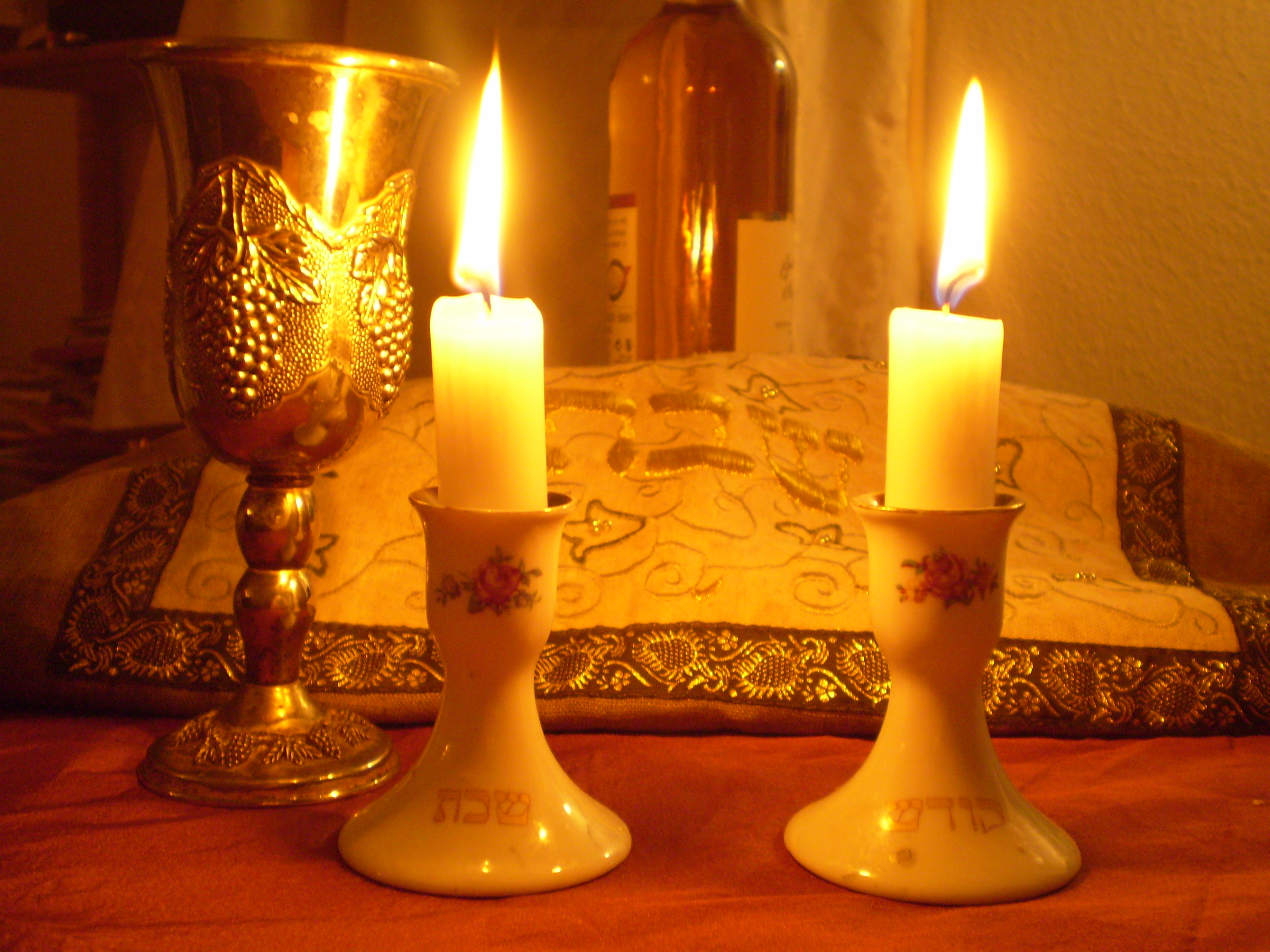
קבלת שבת

[audioclip url=”https://archive.ulpan.com/wp-content/uploads/2014/10/review-2.mp3″ /]שַׁבָּת שָׁלוֹם, וְסוֹף שָׁבוּעַ נָעִים!

Shabbat Shalom, and have a nice weekend!
Similar Posts

  • how to say “vaccine” in Hebrew

    [audioclip url=”https://archive.ulpan.com/wp-content/uploads/2020/07/חיסון-#.m4a” /]חִסּוּן The Hebrew word for vaccine is חיסון[audioclip url=”https://archive.ulpan.com/wp-content/uploads/2020/07/חיסון-#.m4a” /], as in: [audioclip url=”https://archive.ulpan.com/wp-content/uploads/2020/07/חיסון-#.m4a” /]הלוואי ויפתחו כבר את החיסון. If only they would develop the vaccine already. חיסון comes from the root ח.ס.נ[audioclip url=”https://archive.ulpan.com/wp-content/uploads/2020/07/חיסון-#.m4a” /] meaning strong and stocky (more on this in today’s video). The word also appears in מערכת החיסון[audioclip url=”https://archive.ulpan.com/wp-content/uploads/2020/07/חיסון-#.m4a” /] – the…

  • Make this Week’s Doses of Hebrew Your Own – WEEKLY REVIEW

    חֹמֶר לְשִׁנּוּן[audioclip url=”https://archive.ulpan.com/wp-content/uploads/2014/10/review-1.mp3″ /] Review Material Can’t read Hebrew yet? You spent time on your Hebrew this week. Use these review materials to make it yours to keep. Flashcards Game Test [audioclip url=”https://archive.ulpan.com/wp-content/uploads/2014/10/review-2.mp3″ /]שַׁבָּת שָׁלוֹם, וְסוֹף שָׁבוּעַ נָעִים! Shabbat Shalom, and have a nice weekend!

  • how to say “to strike” in Hebrew

    [audioclip url=”https://archive.ulpan.com/wp-content/uploads/2014/10/להכות-1.m4a” /]לִשְׁבּוֹת, לְהַכּוֹת Yesterday we saw the Hebrew word for a strike – שביתה[audioclip url=”https://archive.ulpan.com/wp-content/uploads/2014/10/להכות-2.m4a” /]. This noun comes from the active-simple verb לשבות[audioclip url=”https://archive.ulpan.com/wp-content/uploads/2014/10/להכות-3.m4a” /] – to strike or to refrain from work. But what about to strike another person – to hit? That’s the active-intensive להכות[audioclip url=”https://archive.ulpan.com/wp-content/uploads/2014/10/להכות-4.m4a” /]. Here’s an example from the biblical story of Moses: [audioclip url=”https://archive.ulpan.com/wp-content/uploads/2014/10/להכות-5.m4a”…