Trees and Children’s Names
Israelis tend to find a lot of meaning and inspiration in trees and plants. Just look at how they name their kids:
אילן[audioclip url=”https://archive.ulpan.com/wp-content/uploads/2019/01/trees-#.m4a” /] – Ilan – is perhaps the best known. It’s the literary word for tree, as opposed to the simple עץ[audioclip url=”https://archive.ulpan.com/wp-content/uploads/2019/01/trees-#.m4a” /]. The name אילן is the name for boys, while אילנה[audioclip url=”https://archive.ulpan.com/wp-content/uploads/2019/01/trees-#.m4a” /] or אילנית[audioclip url=”https://archive.ulpan.com/wp-content/uploads/2019/01/trees-#.m4a” /] are names for girls.
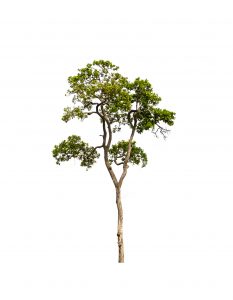
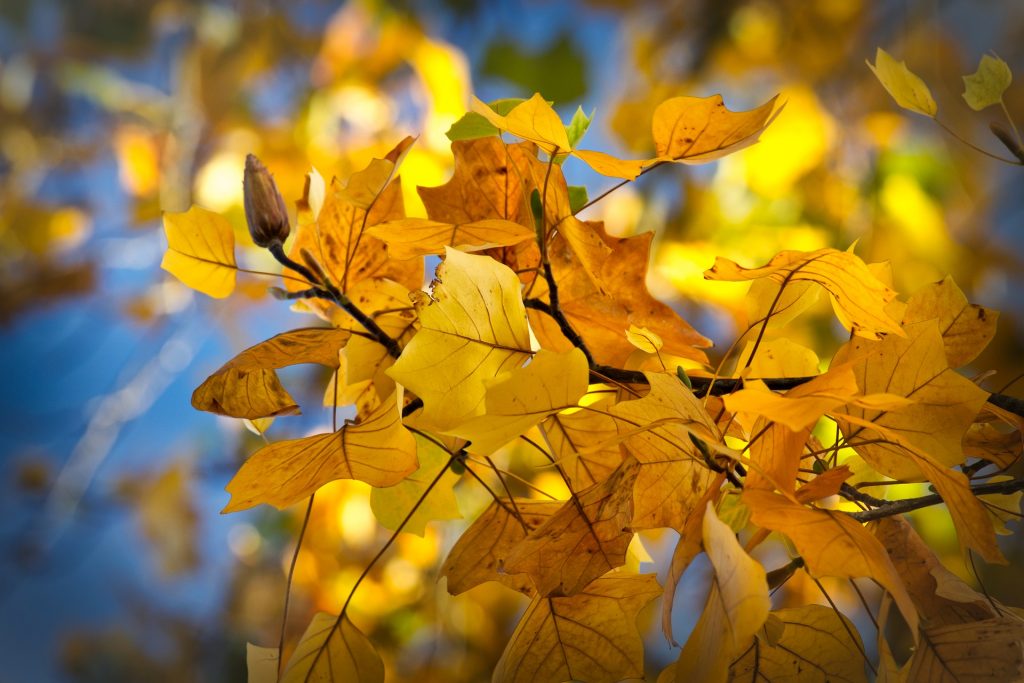
שקמה[audioclip url=”https://archive.ulpan.com/wp-content/uploads/2019/01/trees-#.m4a” /] – Shikma, a girl’s name, means sycamore (the Hebrew and the English are almost certainly related). There is no male equivalent to this name.
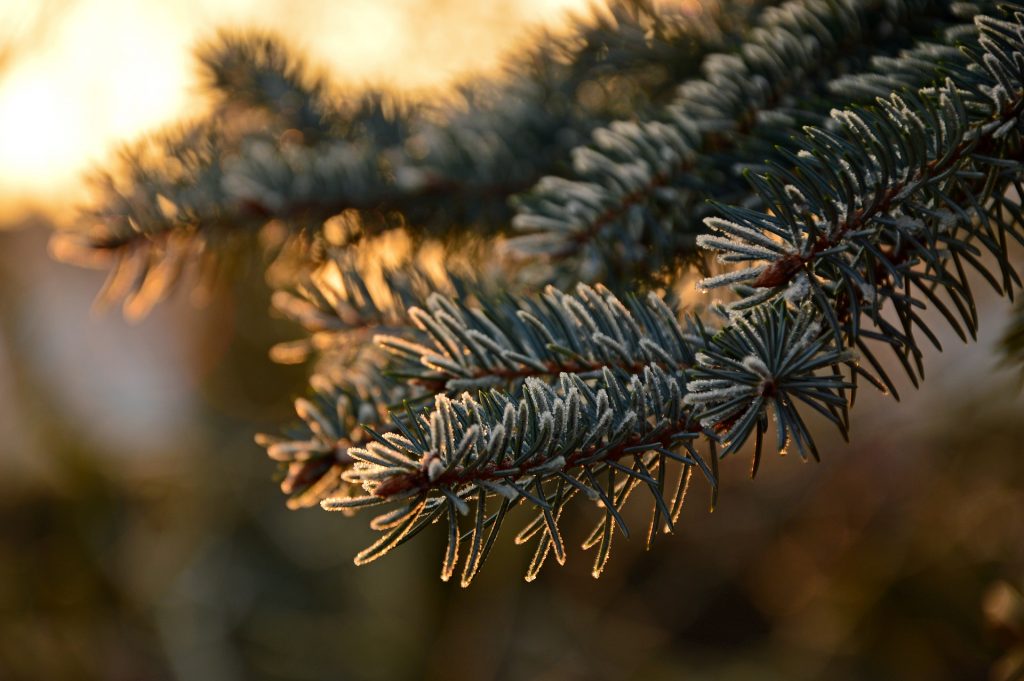
אורן[audioclip url=”https://archive.ulpan.com/wp-content/uploads/2019/01/trees-#.m4a” /] – Oren, a boy’s name, refers to a pine tree like those found in the forests of the hills of Jerusalem. Girls might be named אורנית[audioclip url=”https://archive.ulpan.com/wp-content/uploads/2019/01/trees-#.m4a” /] – Oranit or אורנה[audioclip url=”https://archive.ulpan.com/wp-content/uploads/2019/01/trees-#.m4a” /] – Orna.
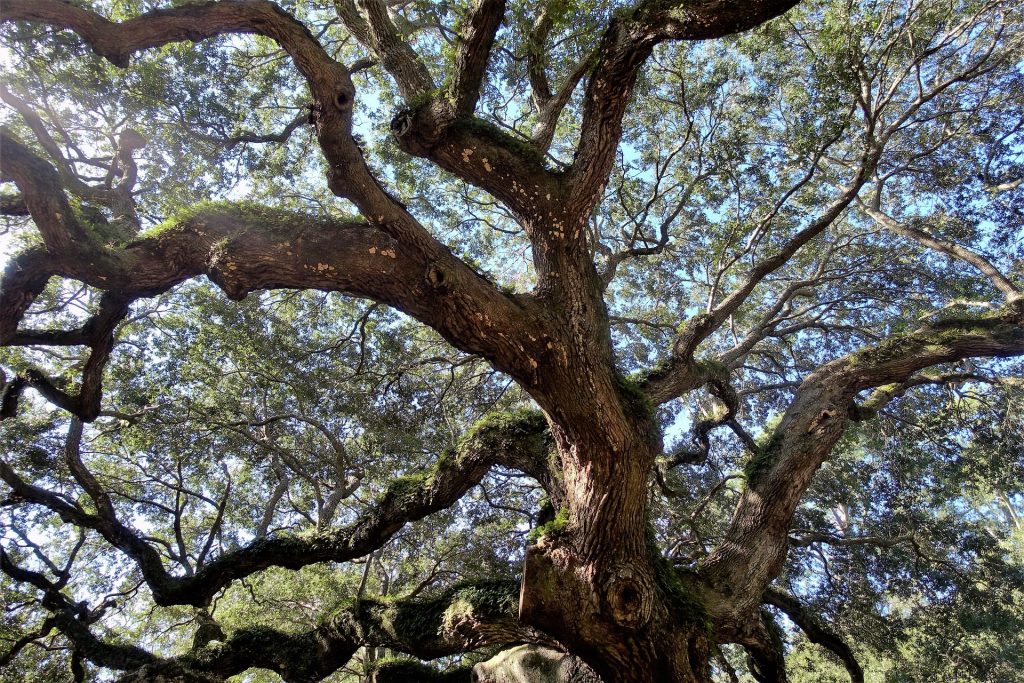
אלון[audioclip url=”https://archive.ulpan.com/wp-content/uploads/2019/01/trees-#.m4a” /] – Alon, also a boy’s name, is a big sturdy oak. אלונה[audioclip url=”https://archive.ulpan.com/wp-content/uploads/2019/01/trees-#.m4a” /] – Alona is the feminine version.
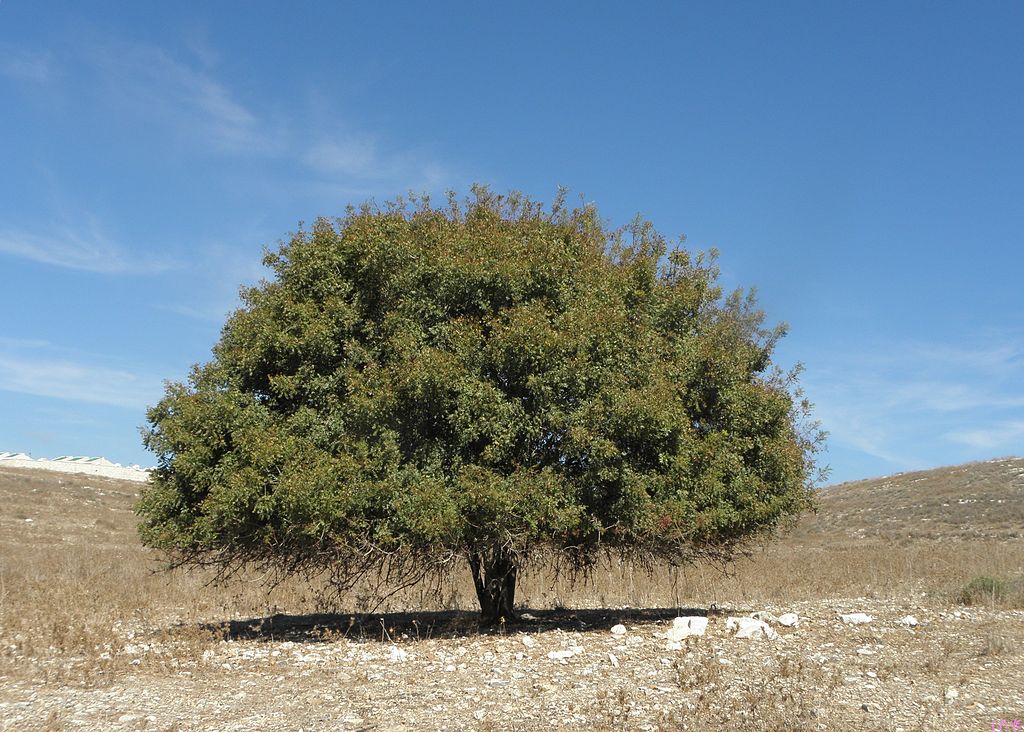
אלה[audioclip url=”https://archive.ulpan.com/wp-content/uploads/2019/01/trees-#.m4a” /] – Ella, a very common tree in Israel, is a name for girls. The English word for this tree is terebinth, which just goes to show how this easily-found tree for Israel is virtually unknown in English-speaking countries.
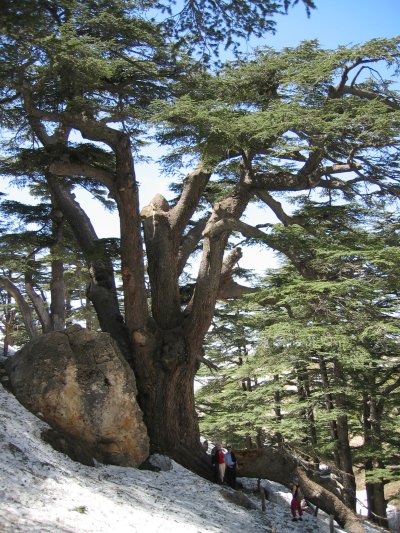
ארז[audioclip url=”https://archive.ulpan.com/wp-content/uploads/2019/01/trees-#.m4a” /] – Erez – is a cedar, known for its majestic height. For girls there’s ארזית[audioclip url=”https://archive.ulpan.com/wp-content/uploads/2019/01/trees-#.m4a” /], though this name is VERY uncommon.
If you look closely at the photo, you’ll tiny people next to this giant.
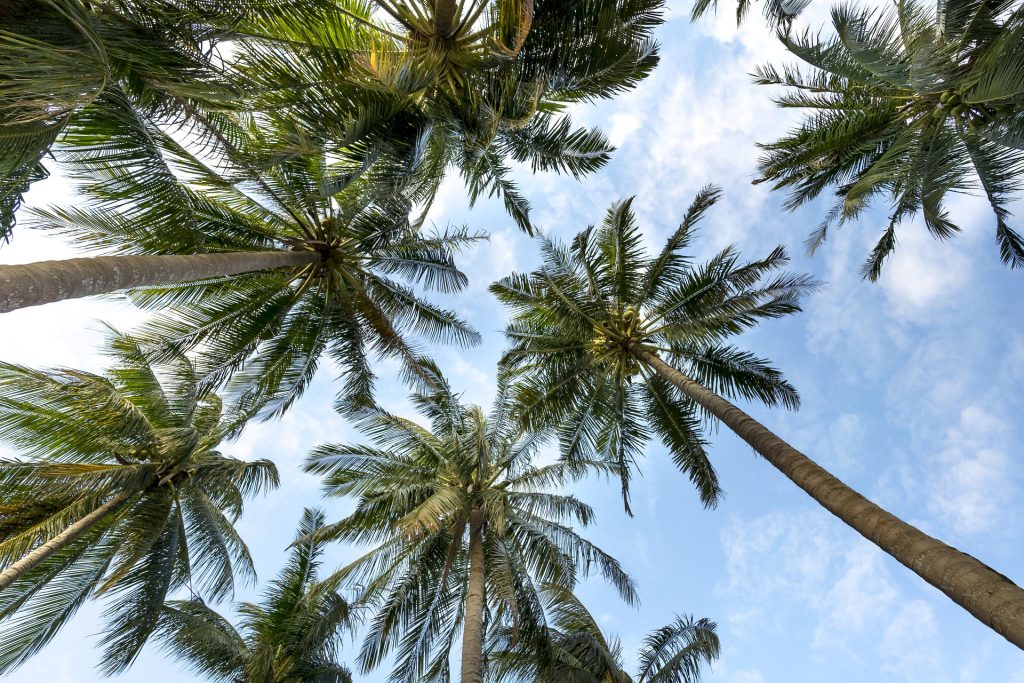
דקל, דקלה[audioclip url=”https://archive.ulpan.com/wp-content/uploads/2019/01/trees-#.m4a” /] – Dekel, Dikla – these are equally common, both referring to a palm.
Now, these are all names that have masculine and feminine versions. But many names are used for both sexes:
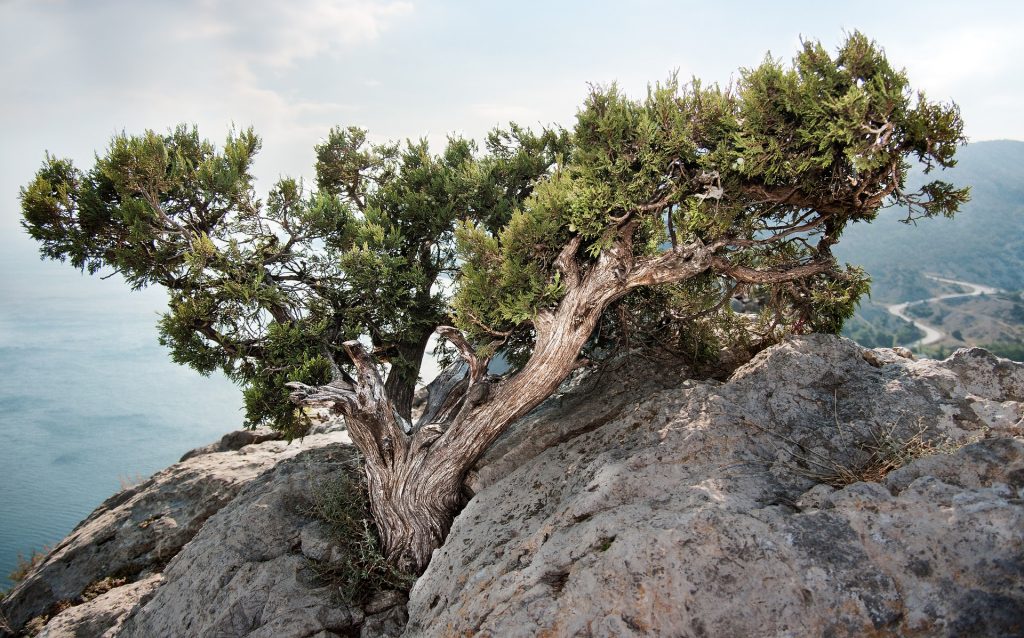
רותם[audioclip url=”https://archive.ulpan.com/wp-content/uploads/2019/01/trees-#.m4a” /] – Rotem – juniper
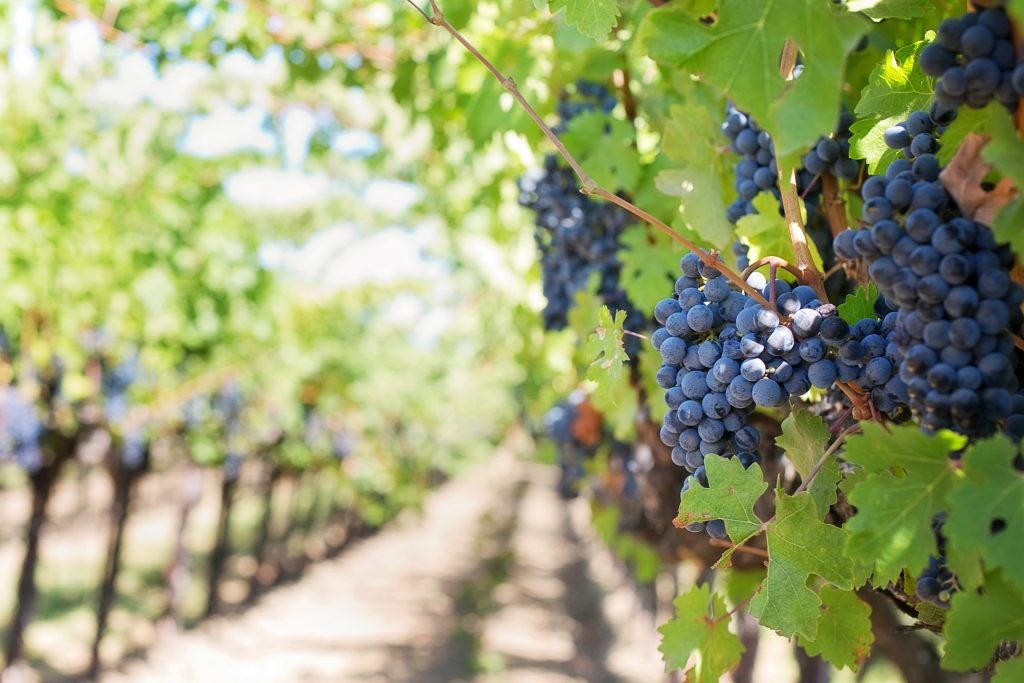
גפן[audioclip url=”https://archive.ulpan.com/wp-content/uploads/2019/01/trees-#.m4a” /] – Geffen – grapevine
שקד[audioclip url=”https://archive.ulpan.com/wp-content/uploads/2019/01/trees-#.m4a” /] – Shaked – almond. You may know the other word for almond tree, שקדייה[audioclip url=”https://archive.ulpan.com/wp-content/uploads/2019/01/trees-#.m4a” /].
This tendency to name children after trees and plants reflects a strong element in Israel culture. Connection to the earth and nature is an essential part of Zionism, of being a Jew who has returned to their ancestral homeland and embraces its physical nature with love.
As it says in ספר דברים[audioclip url=”https://archive.ulpan.com/wp-content/uploads/2019/01/trees-#.m4a” /] (Book of Deuteronomy):
[audioclip url=”https://archive.ulpan.com/wp-content/uploads/2019/01/trees-#.m4a” /]כי האדם עץ השדה
For a person is a tree of the field