how to say “wasp” in Hebrew

[audioclip url=”https://archive.ulpan.com/wp-content/uploads/2014/10/צרעה-1.m4a” /]צִרְעָה
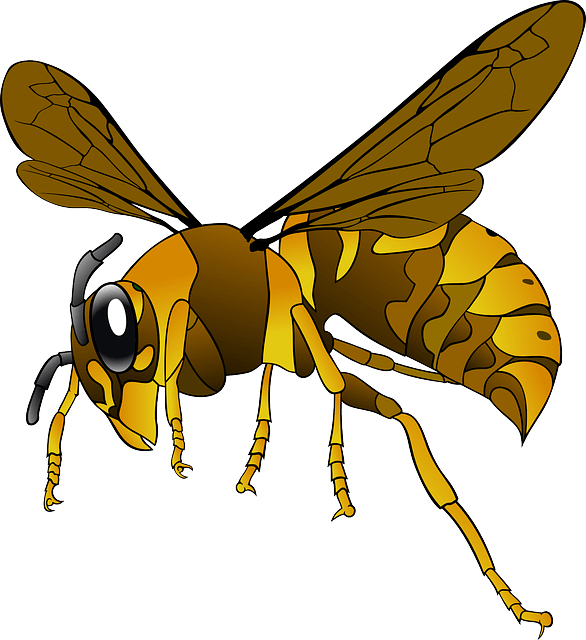
wasp - צרעה

The Hebrew word for a bee is דבורה[audioclip url=”https://archive.ulpan.com/wp-content/uploads/2014/10/צרעה-2.m4a” /]. But the larger, perhaps more intimidating species is צרעה[audioclip url=”https://archive.ulpan.com/wp-content/uploads/2014/10/צרעה-1.m4a” /] – wasp or hornet (which is also called a דבור[audioclip url=”https://archive.ulpan.com/wp-content/uploads/2014/10/צרעה-3.m4a” /]).

Though in Biblical Hebrew this insect appears in the generic plural form הצרעה[audioclip url=”https://archive.ulpan.com/wp-content/uploads/2014/10/צרעה-4.m4a” /], Modern Hebrew uses the plural form צרעות[audioclip url=”https://archive.ulpan.com/wp-content/uploads/2014/10/צרעה-5.m4a” /].

For example:

[audioclip url=”https://archive.ulpan.com/wp-content/uploads/2014/10/צרעה-6.m4a” /]הצרעות הן האב הקדמון של הדבורים והנמלים.

Wasps are the ancestor of bees and ants.

Note that צרעה is spelled without a י[audioclip url=”https://archive.ulpan.com/wp-content/uploads/2014/10/צרעה-7.m4a” /], as is the case with most words whose first vowel sound is ee.
Similar Posts

  • how to say “raw meat” in Hebrew

    [audioclip url=”https://archive.ulpan.com/wp-content/uploads/2022/03/בשר-נא-#.m4a” /]בָּשָׂר נָא A raw vegetable in Hebrew is ירק טרי[audioclip url=”https://archive.ulpan.com/wp-content/uploads/2022/03/בשר-נא-#.m4a” /] (fresh vegetable) or ירק חי[audioclip url=”https://archive.ulpan.com/wp-content/uploads/2022/03/בשר-נא-#.m4a” /] (“live” vegetable).  Raw meat is often called בשר חי[audioclip url=”https://archive.ulpan.com/wp-content/uploads/2022/03/בשר-נא-#.m4a” /], but there’s also a special term for it – בשר נא[audioclip url=”https://archive.ulpan.com/wp-content/uploads/2022/03/בשר-נא-#.m4a” /]. This also means rare meat, as in: [audioclip url=”https://archive.ulpan.com/wp-content/uploads/2022/03/בשר-נא-#.m4a” /]הוא אוהב את…

  • how to say “cover story” in Hebrew

    [audioclip url=”https://archive.ulpan.com/wp-content/uploads/2018/10/סיפור-כיסוי-#.m4a” /]סִפּוּר כִּסוּי When I say cover story I’m not referring to a front-page article – that’s כתבת שער[audioclip url=”https://archive.ulpan.com/wp-content/uploads/2018/10/סיפור-כיסוי-#.m4a” /]. I’m talking about an alibi, a fictitious story meant to cover up one’s true actions. The Hebrew term for this is סיפור כיסוי[audioclip url=”https://archive.ulpan.com/wp-content/uploads/2018/10/סיפור-כיסוי-#.m4a” /] – literally, a cover story. For example: [audioclip url=”https://archive.ulpan.com/wp-content/uploads/2018/10/סיפור-כיסוי-#.m4a” /]יש…

  • how to say “land line” in Hebrew

    טֶלֶפוֹן נַיָּח, טֶלֶפוֹן קַוִּי[audioclip url=”https://archive.ulpan.com/wp-content/uploads/2014/10/נייח-1.wav” /] More and more people don’t these anymore, but many still do, so it’s worth an entry. While a mobile phone is a טֶלֶפוֹן נַיָּד[audioclip url=”https://archive.ulpan.com/wp-content/uploads/2014/10/נייח-2.wav” /], a land line is called either a טלפון נַיָּח[audioclip url=”https://archive.ulpan.com/wp-content/uploads/2014/10/נייח-3.wav” /] – literally, stationary phone, or טלפון קַוִּי[audioclip url=”https://archive.ulpan.com/wp-content/uploads/2014/10/נייח-4.wav” /] – a line or wire…

  • Weekly YDDH Review

    חֹמֶר לְשִׁנּוּן[audioclip url=”https://archive.ulpan.com/wp-content/uploads/2014/10/review-1.mp3″ /] Review Material You spent time on your Hebrew this week. Use these review materials to make it yours to keep.      To take full advantage of the review material, click on “Choose a study mode” in the bottom right corner of the box above. [audioclip url=”https://archive.ulpan.com/wp-content/uploads/2014/10/review-2.mp3″ /]שבת שלום, וסוף…

  • how to say “independent” in Hebrew

    [audioclip url=”https://archive.ulpan.com/wp-content/uploads/2021/04/עצמאי-#.m4a” /]עַצְמָאִי You may know the Hebrew term for Independence Day – יום העצמאות[audioclip url=”https://archive.ulpan.com/wp-content/uploads/2021/04/עצמאי-#.m4a” /]. עצמאות[audioclip url=”https://archive.ulpan.com/wp-content/uploads/2021/04/עצמאי-#.m4a” /] is independence, while עצמאי[audioclip url=”https://archive.ulpan.com/wp-content/uploads/2021/04/עצמאי-#.m4a” /] means independent, often used to refer to someone who works independently, without a boss. For example: [audioclip url=”https://archive.ulpan.com/wp-content/uploads/2021/04/עצמאי-#.m4a” /]היא עובדת כעצמאית. She works as an independent (contractor). What about someone who…

  • how to say “to come back to life” in Hebrew

    In 1949, my grandparents helped found a kibbutz near modern-day Modiin. The founders called it תחיה – basically, resurrection, since this was one of many Jewish settlements rising up in Israel only a few years after near-total destruction in Europe. In the coming years the kibbutz gave way to another agricultural settlement, and the standard…