how to say “garage” in Hebrew

[audioclip url=”https://archive.ulpan.com/wp-content/uploads/2015/05/מוסך-1.m4a” /]מוּסָךְ
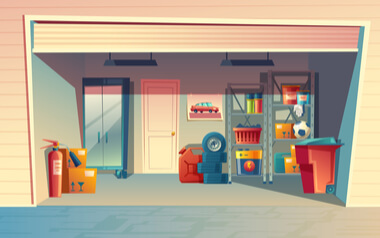
garage - מוסךA garage is a place for cars – for storage or for fixing. Until Modern Hebrew came up with מוסך[audioclip url=”https://archive.ulpan.com/wp-content/uploads/2015/05/מוסך-1.m4a” /], Israelis used ‘גאראג[audioclip url=”https://archive.ulpan.com/wp-content/uploads/2015/05/מוסך-2.m4a” /] to refer to such a haven.

מוסך comes from the root ס.כ.כ[audioclip url=”https://archive.ulpan.com/wp-content/uploads/2015/05/מוסך-3.m4a” /], the same as that of the leafy roof of a Sukkah (as well as the word סוכה[audioclip url=”https://archive.ulpan.com/wp-content/uploads/2015/05/מוסך-4.m4a” /] itself), סכך[audioclip url=”https://archive.ulpan.com/wp-content/uploads/2015/05/מוסך-5.m4a” /].

For example:

[audioclip url=”https://archive.ulpan.com/wp-content/uploads/2015/05/מוסך-6.m4a” /]נאלצתי להביא את הרכב למוסך.

I had to take the car to the garage (mechanic’s shop).

and

[audioclip url=”https://archive.ulpan.com/wp-content/uploads/2015/05/מוסך-7.m4a” /]אנחנו מוסיפים לבית מוסך שתי מכוניות.

We’re adding to the house a two-car garage.

Similar Posts

  • how to say “giant” in Hebrew

    [audioclip url=”https://archive.ulpan.com/wp-content/uploads/2018/07/ענק-#.m4a” /]עֲנָק The word ענק[audioclip url=”https://archive.ulpan.com/wp-content/uploads/2018/07/ענק-#.m4a” /] refers to a giant person: [audioclip url=”https://archive.ulpan.com/wp-content/uploads/2018/07/ענק-#.m4a” /]האם באמת מצאו שלד של ענק? Did they really find a skeleton of a giant? Israelis also use it as an expression of enthusiasm and great approval: [audioclip url=”https://archive.ulpan.com/wp-content/uploads/2018/07/ענק-#.m4a” /]הוא סיים קורס טייס? ענק! He finished the pilots’ course? Amazing! (Giant!)…

  • how to say “question” in Hebrew

    [audioclip url=”https://archive.ulpan.com/wp-content/uploads/2022/01/שאלה-#.m4a” /]שְׁאֵלָה While to ask is the simple verb לשאול[audioclip url=”https://archive.ulpan.com/wp-content/uploads/2022/01/שאלה-#.m4a” /], a question is שאלה[audioclip url=”https://archive.ulpan.com/wp-content/uploads/2022/01/שאלה-#.m4a” /], as in: [audioclip url=”https://archive.ulpan.com/wp-content/uploads/2022/01/שאלה-#.m4a” /]יש לי שאלה אליכם. I have a question for (to) you guys. If you’ve watched the Israeli drama Shtisel, you’ve probably heard the expression מה השאלה בכלל[audioclip url=”https://archive.ulpan.com/wp-content/uploads/2022/01/שאלה-#.m4a” /] – what’s (even) the…

  • Weekly YDDH Review

    חֹמֶר לְשִׁנּוּן[audioclip url=”https://archive.ulpan.com/wp-content/uploads/2014/10/review-1.mp3″ /] Review Material You spent time on your Hebrew this week. Use these review materials to make it yours to keep.      To take full advantage of the review material, click on “Choose a study mode” in the bottom right corner of the box above. [audioclip url=”https://archive.ulpan.com/wp-content/uploads/2014/10/review-2.mp3″ /]שבת שלום, וסוף…

  • how to say “LOL (laugh out loud)” in Hebrew

    [audioclip url=”https://archive.ulpan.com/wp-content/uploads/2021/02/להיקרע-מצחוק-#.m4a” /]לְהִיקָּרַע מִצְּחוֹק The Hebrew word for laughter is צחוק[audioclip url=”https://archive.ulpan.com/wp-content/uploads/2021/02/להיקרע-מצחוק-#.m4a” /], while להיקרע[audioclip url=”https://archive.ulpan.com/wp-content/uploads/2021/02/להיקרע-מצחוק-#.m4a” /] means to be torn. These words give us the expression להיקרע מצחוק[audioclip url=”https://archive.ulpan.com/wp-content/uploads/2021/02/להיקרע-מצחוק-#.m4a” /] – to be torn of laughter – or in Digital English, LOL (laugh out loud). For example: [audioclip url=”https://archive.ulpan.com/wp-content/uploads/2021/02/להיקרע-מצחוק-#.m4a” /]פשוט נקרעתי מצחוק לאורך כל הפרק. I was…

  • how to say “cheeseless” in Hebrew

    [audioclip url=”https://archive.ulpan.com/wp-content/uploads/2014/10/ללא-גבינה-1.m4a” /]לְלֹא גְּבִינָה Suppose you’re a vegan, going out for pizza with friends. Maybe you don’t even have to suppose. When you get to the counter, you ask for cheeseless pizza – פיצה ללא גבינה[audioclip url=”https://archive.ulpan.com/wp-content/uploads/2014/10/ללא-גבינה-2.m4a” /]. ללא[audioclip url=”https://archive.ulpan.com/wp-content/uploads/2014/10/ללא-גבינה-3.m4a” /] is one of several ways to say without in Hebrew. It’s used especially in phrases that…