how to say “to cool down” in Hebrew
[audioclip url=”https://archive.ulpan.com/wp-content/uploads/2015/05/להתקרר-1.m4a” /]לְהִתְקָרֵר
I love it when the weather gets warm – כשמזג האוויר מתחמם[audioclip url=”https://archive.ulpan.com/wp-content/uploads/2015/05/להתקרר-2.m4a” /]. The reflexive verb להתחמם[audioclip url=”https://archive.ulpan.com/wp-content/uploads/2015/05/להתקרר-3.m4a” /] derives from חום[audioclip url=”https://archive.ulpan.com/wp-content/uploads/2015/05/להתקרר-4.m4a” /] – heat.
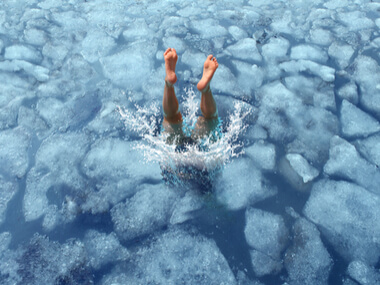
Likewise, to cool down is להתקרר[audioclip url=”https://archive.ulpan.com/wp-content/uploads/2015/05/להתקרר-1.m4a” /] – also a reflexive verb – from קור[audioclip url=”https://archive.ulpan.com/wp-content/uploads/2015/05/להתקרר-5.m4a” /] – cold.
For example:
[audioclip url=”https://archive.ulpan.com/wp-content/uploads/2015/05/להתקרר-6.m4a” /]חכה עד שהמרק יתקרר.
Wait till the soup cools down.
A cooling trend is מגמת התקררות[audioclip url=”https://archive.ulpan.com/wp-content/uploads/2015/05/להתקרר-7.m4a” /].
For example:
[audioclip url=”https://archive.ulpan.com/wp-content/uploads/2015/05/להתקרר-8.m4a” /]אין כבר כמעט מגמות התקררות בארץ בשלב הזה של העונה.
There are hardly any cooling trends in Israel at this point in the season.