how to say “veins and arteries” in Hebrew…


וְרִיד, עוֹרֶק


I’m late on the word of the day… so I figured I’d give y’all a double portion.


I remember, either from science class as a kid or from my mom telling me, that veins bring blood to the heart, while arteries take blood away from the heart.
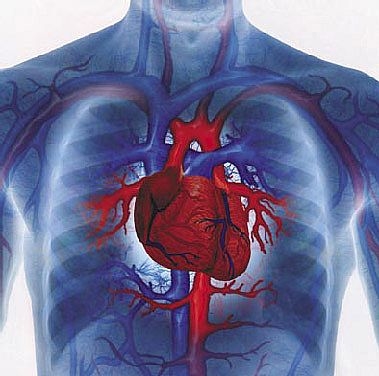


In Hebrew, veins are וְרִידִים (vree-DEEM), while arteries are עוֹרָקִים (oh-rah-KEEM). 


For example, אֲנִי מַרְגִּישׁ אֶת הַדָּם זוֹרֵם לִי בַּוְּרִידִים (ah-NEE mahr-GHEESH et hah-DAHM zoh-REM lee bah-vree-DEEM) – I feel my (the) blood flowing through my veins (literally, flowing for me in the veins).


See the title for the singulars.


Check out two special events going on at AACI and Telfed this week (one my own, another close to my heart)


Discount DEADLINE – April 7!
Registration is open for our spring session.
Check out our state-of-the-art conversational Hebrew courses
in Jerusalem, Efrat and Raanana.

Similar Posts

  • how to say “to finish” in Hebrew

    [audioclip url=”https://archive.ulpan.com/wp-content/uploads/2014/10/לגמור-1.m4a” /]לִגְמוֹר, לְסַיֵּם Modern Hebrew has two common words for to finish. לגמור[audioclip url=”https://archive.ulpan.com/wp-content/uploads/2014/10/לגמור-2.m4a” /], the word used in the Bible, is probably the better-known one to people who are familiar with Hebrew but who are not native speakers. לגמור is used in Modern Hebrew primarily to mean to finish something – it is a transitive verb, one…

  • how to say “to go with the flow” in Hebrew

      This is one aspect of a request from Izzy.   לִזְרוֹם (leez-ROHM) means, literally, to flow. For example, נָהָר הַיַּרְקוֹן זוֹרֵם בְּתֵל אָבִיב (nah-HAHR ha-yahr-KOHN zoh-REHM be-TEL ah-VEEV) – The Yarkon River flows in Tel Aviv.   לזרום is also used colloquially to mean to go with the flow.

  • how to say “knack” or “talent” in Hebrew

      You probably know the Hebrew word for Kosher – כָּשֵׁר (kah-SHEHR). Literally, the word means prepared.   The root כ.ש.ר (k.sh.r) is also used to imply that someone is naturally prepared for some task; that the person has talent or a knack for it. The word for talent or knack is כִּשָּׁרוֹן (kee-shah-ROHN).   To say that a person is…

  • how to say “kettle” in Hebrew

    [audioclip url=”https://archive.ulpan.com/wp-content/uploads/2015/05/קומקום-1.m4a” /]קוּמְקוּם Nothing like a hot drink on a cold day. The Hebrew word for an apparatus that can help prepare such a drink is קומקום[audioclip url=”https://archive.ulpan.com/wp-content/uploads/2015/05/קומקום-1.m4a” /]. In context: [audioclip url=”https://archive.ulpan.com/wp-content/uploads/2015/05/קומקום-2.m4a” /]תרתיח מים בקומקום. Boil water in the kettle. (spoken to a male) and [audioclip url=”https://archive.ulpan.com/wp-content/uploads/2015/05/קומקום-3.m4a” /]קומקום בשווי מאתיים שקלים בתשעים ותשעה שקלים…

  • how to say “head on their shoulders” in Hebrew

    [audioclip url=”https://archive.ulpan.com/wp-content/uploads/2021/05/ראש-על-הכתפיים-#.m4a” /]רֹאשׁ עַל הַכְּתֵפַיִים In English, we might refer to an intelligent person as having a head on their shoulders. In Hebrew we do the same, except that we don’t use the word their (or her, his, etc. for that matter): ראש על הכפתיים[audioclip url=”https://archive.ulpan.com/wp-content/uploads/2021/05/ראש-על-הכתפיים-#.m4a” /] means literally, head on the shoulders. For example: [audioclip url=”https://archive.ulpan.com/wp-content/uploads/2021/05/ראש-על-הכתפיים-#.m4a” /]יש לו…
