how to say “to purify” in Hebrew – part 2


having trouble seeing the print?

לְזַכֵּךְ


Become a fan of ours
on Facebook!


The other day, I introduced the basic word for to purify – לְטַהֵר (leh-tah-HEHR). The word connotes a breath of fresh air, clarity and relief, and is a variation of the word for pure itself, טָהוֹר. The root ט.ה.ר (t.h.r) is related to other roots having to do with brightness and clarity, ז.ה.ר (z.h.r) meaning shining – as in the Kabbalistic book, the זֹהָר (ZOH-hahr), as well as צ.ה.ר (ts.h.r) meaning midday – as in צָהֳרַיִם (tsoh-hoh-RAH-yeem) – noon.
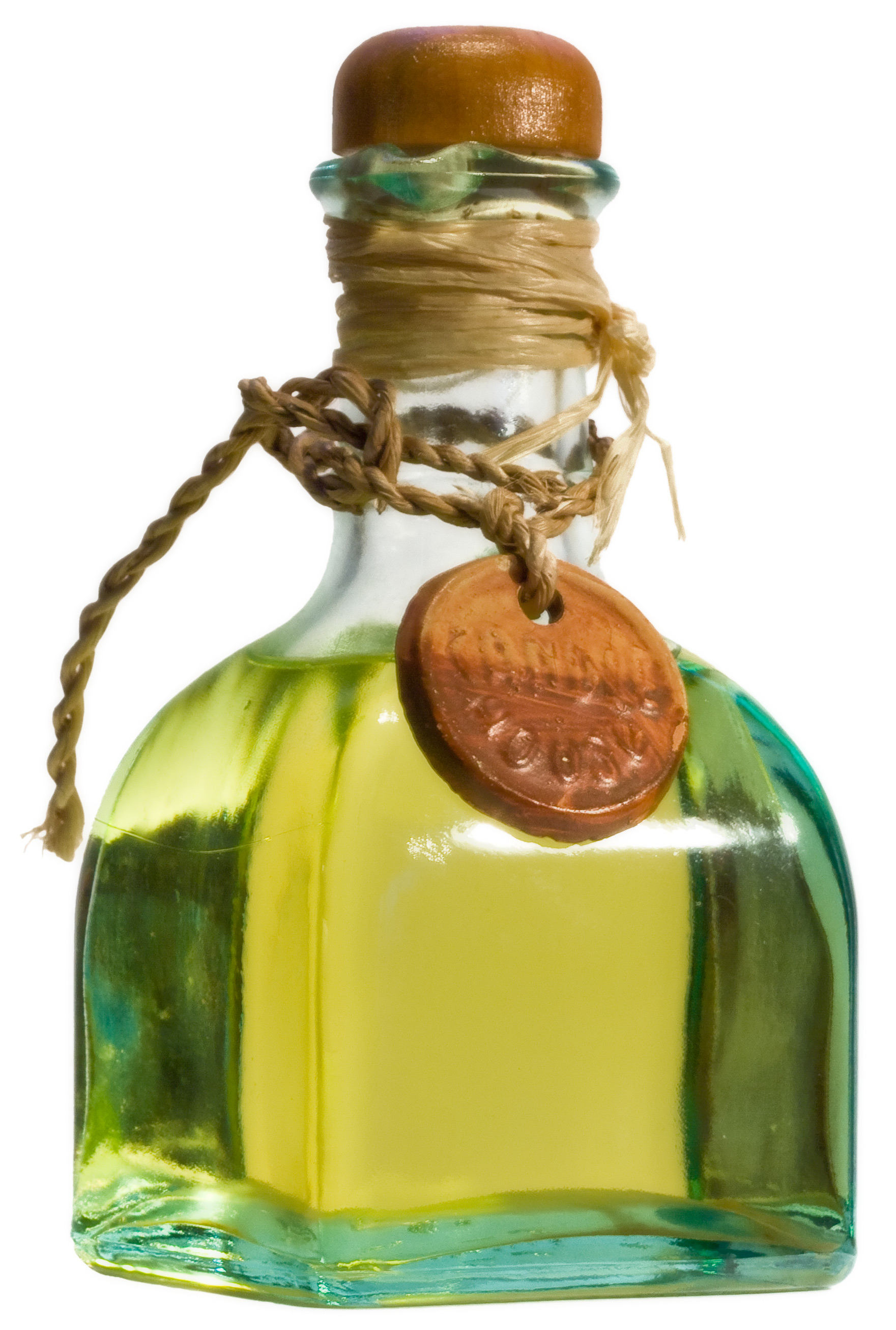

צנצנת של שמן זיתלְזַכֵּך (leh-zah-KEKH) also means to purify, but more in the sense of removing the unwanted elements from a substance. Olive oil that is זַך (zahkh), is totally clear, free of any material foreign to the oil itself. לזכך can also be translated to English as to refine. 


לזכך is an active-intensive (פיעל) verb. The passive version – refined – is מְזֻכָּך (meh-zoo-KAHKH), which derives from the passive-intensive (פועל) verb form.


In Hebrew, טהור is the generic word for pure. In Aramaic, the generic term is the equivalent of מזוכך – in Aramaic, דַּכְיָא (dahkh-YAH), where the Aramaic d sound substitutes the Hebrew z sound (two very similar sounds, especially if you’re from Brooklyn, New York).


A great חנוכה-Hanukkah present…
 
…with a special discount for Ulpan La-Inyan enthusiasts (enter code “ULI” to get the discount).
 

Similar Posts

  • how to say “to let loose” in Hebrew

      Click the title to hear the word pronounced. The other day we had לְהִשְׁתַּחְרִר (le-heesh-tahkh-REHR), which means to be liberated. An informal synonym of להשתחרר is לְהִתְפָּרֵק (le-heet-pah-REHK).    This word means, literally, to fall apart, as in הַדֶּלֶת הִתְפָּרְקָה (ha-DEH-leht heet-pahr-KAH) – the door fell apart (i.e. off its hinges or something).  …

  • how to say “to limp” in Hebrew

      having trouble seeing the print? לִצְלוֹעַ   Our Hebrew class starts Sunday! 10 spots available per course.  Sign up now!     In the Torah portion to be read tomorrow by Jews the world over, יַעֲקֹב (yah-ah-KOHV) – Jacob – takes his family across מַעֲבַר יַבֹּק (mah-ah-VAHR yah-BOHK) – the Yabok pass – back into the land of his forefathers….

  • how to say “haze” in Hebrew

    אוֹבֶךְ Throughout the country this morning, there was a haze. the Tel Aviv boardwalk on a hazy day Now it’s raining. The Hebrew word for haze is אוֹבֶך (OH-vekh).   Your chance to get talking in Hebrew  starts on the 27th. Our state-of-the-art conversational Hebrew courses begin next Sunday, February 27 in Jerusalem, Efrat and Raanana.   Register now!

  • how to say “flame fanner” in Hebrew

    [audioclip url=”https://archive.ulpan.com/wp-content/uploads/2021/04/נפנף-#.m4a” /]נַפְנַף The American barbecue scene is dominated by large, sturdy grills that run on gas or electricity.  While more and more Israelis now own such grills, there’s still a strong culture of barbecuing in the park or in the forest using portable grills – מנגלים[audioclip url=”https://archive.ulpan.com/wp-content/uploads/2021/04/נפנף-#.m4a” /] – especially on יום העצמאות[audioclip url=”https://archive.ulpan.com/wp-content/uploads/2021/04/נפנף-#.m4a”…

  • A fancy way to say “to look” in Hebrew

    [audioclip url=”https://archive.ulpan.com/wp-content/uploads/2018/03/להביט-1.m4a” /]לְהַבִּיט If you’ve got some basic Hebrew, you probably know the word for to look – להסתכל[audioclip url=”https://archive.ulpan.com/wp-content/uploads/2018/03/להביט-2.m4a” /]. For example: [audioclip url=”https://archive.ulpan.com/wp-content/uploads/2018/03/להביט-3.m4a” /]אל תסתכלו עליו. Don’t look at him. (spoken to more than one person) A higher-register word for to look is להביט[audioclip url=”https://archive.ulpan.com/wp-content/uploads/2018/03/להביט-1.m4a” /] – in English, this might be to…

  • how to say “discrimination” in Hebrew

    אַפְלָיָה   Can’t read Hebrew yet?   Hebrew roots that begin in פ.ל (p.l) and פ.ר (p.r), as a rule, have something to do with separation.   The root פ.ל.ה (p.l.h) is one of those roots, and it appears most notably in the word for discrimination – אַפְלָיָה   (sometimes spelled and pronounced הַפְלָיָה   ).   For example:…
