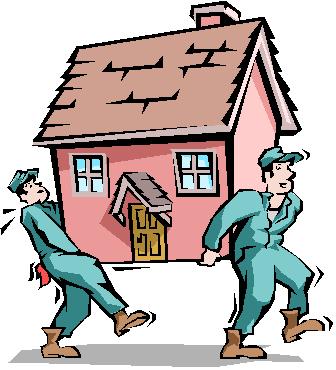
how to say “to move house” in Hebrew
having trouble seeing the print?

![]()
having trouble seeing the print?

![]()
[audioclip url=”https://archive.ulpan.com/wp-content/uploads/2015/05/להכניס-1.m4a” /]לְהַכְנִיס אֶת הַדֹּאַר Yesterday we saw that להשקות[audioclip url=”https://archive.ulpan.com/wp-content/uploads/2015/05/להכניס-2.m4a” /] means to water or to cause to drink. Hebrew does the same with the root כ.נ.ס[audioclip url=”https://archive.ulpan.com/wp-content/uploads/2015/05/להכניס-3.m4a” /] meaning gather, using the active-causative הפעיל verb form to yield להכניס[audioclip url=”https://archive.ulpan.com/wp-content/uploads/2015/05/להכניס-4.m4a” /] – to take in or to bring in. For example: [audioclip url=”https://archive.ulpan.com/wp-content/uploads/2015/05/להכניס-5.m4a” /]תעשי לי טובה, תכניסי הביתה את…
[audioclip url=”https://archive.ulpan.com/wp-content/uploads/2021/09/צוהריים-#.m4a” /]צוֹהֳרַיִים The Hebrew word for noon is צוהריים[audioclip url=”https://archive.ulpan.com/wp-content/uploads/2021/09/צוהריים-#.m4a” /] (according to the pre-2017 spelling, צהריים). While אחר הצוהריים[audioclip url=”https://archive.ulpan.com/wp-content/uploads/2021/09/צוהריים-#.m4a” /] or אחרי הצוהריים[audioclip url=”https://archive.ulpan.com/wp-content/uploads/2021/09/צוהריים-#.m4a” /] means afternoon (literally, after the noon), people often abbreviate and just use צוהריים to refer to the first few hours after 12pm. For example: [audioclip url=”https://archive.ulpan.com/wp-content/uploads/2021/09/צוהריים-#.m4a” /]הוא אמר שהוא יקפוץ לבקר…
[audioclip url=”https://archive.ulpan.com/wp-content/uploads/2019/08/מימייה-#.m4a” /]מֵימִיָּה Literally, a water bottle in Hebrew is בקבוק מים[audioclip url=”https://archive.ulpan.com/wp-content/uploads/2019/08/מימייה-#.m4a” /], and you can use this term as well. But the kind of water bottle that isn’t disposable, the kind that hikers or soldiers tend to carry with them, is מימייה[audioclip url=”https://archive.ulpan.com/wp-content/uploads/2019/08/מימייה-#.m4a” /]. For example: [audioclip url=”https://archive.ulpan.com/wp-content/uploads/2019/08/מימייה-#.m4a” /]דוד, ארזת כובע מצחייה? קרם הגנה?…
[audioclip url=”https://archive.ulpan.com/wp-content/uploads/2018/08/מטר-על-מטר-#.m4a” /]מֶטֶר עַל מֶטֶר Hebrew has a vivid way of saying that a place is really small: מטר על מטר[audioclip url=”https://archive.ulpan.com/wp-content/uploads/2018/08/מטר-על-מטר-#.m4a” /] – (one) meter by (one) meter. For example: [audioclip url=”https://archive.ulpan.com/wp-content/uploads/2018/08/מטר-על-מטר-#.m4a” /]זאת דירה קטנטונת, ממש מטר על מטר! It’s a tiny little apartment, really a meter by a meter! על[audioclip url=”https://archive.ulpan.com/wp-content/uploads/2018/08/מטר-על-מטר-#.m4a” /] means…
[audioclip url=”https://archive.ulpan.com/wp-content/uploads/2021/11/לבשל-#.m4a” /]לְבַשֵּׁל The basic word for to cook is לבשל[audioclip url=”https://archive.ulpan.com/wp-content/uploads/2021/11/לבשל-#.m4a” /], a פיעל verb. For example: [audioclip url=”https://archive.ulpan.com/wp-content/uploads/2021/11/לבשל-#.m4a” /]דני, מה בישלת לנו היום? Danny, what did you cook for us today? While the professional term for a cook is טבח[audioclip url=”https://archive.ulpan.com/wp-content/uploads/2021/11/לבשל-#.m4a” /] for a male and טבחית[audioclip url=”https://archive.ulpan.com/wp-content/uploads/2021/11/לבשל-#.m4a” /] for a female (think מטבח[audioclip url=”https://archive.ulpan.com/wp-content/uploads/2021/11/לבשל-#.m4a”…
having trouble seeing the print? מַצְנֵחַ This fall, we’re offering opportunities to learn to speak Hebrew, in many Anglo communities in Israel and online. Check out our fall classes, keeping in mind that the deadlines to save 200 shekels fall towards the end of this month! The Biblical (and Modern) Hebrew word לִצְנוֹחַ (leets-NOH-ahkh)…