
how to say “source” in Hebrew
having trouble seeing the print?
מָקוֹר
Our popular Hebrew classes start
next week around the country!
next week around the country!
The Torah portion to be read this Shabbat by Jews around the world is the first in the Torah, בְּרֵאשִׁית (beh-reh-SHEET) – Genesis. It tells the story of how the world and humanity began, exposing the sources of the physical world as well as the sources of what it means to be human – the interaction between man and woman, temptation and responsibility, tragedy and the yearning for life.
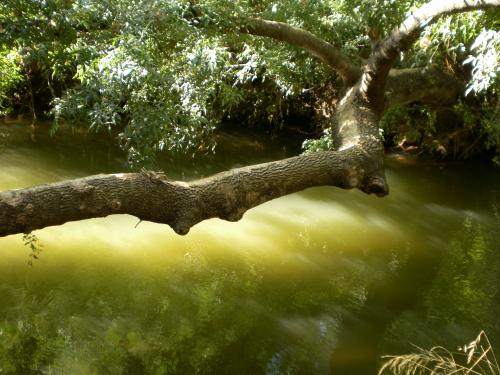 The Hebrew word for source is מָקוֹר. Its plural – many sources – is מְקוֹרוֹת (meh-koh-ROHT).
For example:
מְקוֹרוֹת הַיַּרְדֵּן הִנָּם הַנְּחָלִים דָּן, חַצְבָּאנִי וּבַנְיָאס.
The sources of the Jordan (River) are the Dan, the Hatsbani and the Banias streams.
The source – המקור – of this word goes back to Biblical Hebrew.
 Make this dose of Hebrew yours by using it in a sentence. You can write your sentence on the wall of our Facebook page, and we’ll correct it for you if it’s got errors.
שַׁבָּת שָׁלוֹם וְסוֹף שָׁבוּעַ נָעִים לְכֻלָּם!
Shabbat Shalom, and a pleasant weekend to all!
You can further build your
Hebrew vocabulary with…
Hebrew vocabulary with…
 |
| with a special discount for Ktzat Ivrit enthusiasts like yourself |