how to say “scotch tape” in Hebrew
having trouble seeing the print?
נְיַר דֶּבֶק
There’s still room in our post-holidays classes.
Most Israelis are still likely to use the British-English word for American scotch tape – סֶלוֹטֵייפּ – sellotape.
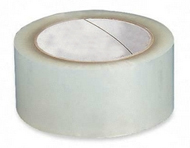 But the proper Hebrew term that has become more and more popular is נְיַר דֶּבֶק (neh-YAHR DEH-vek) – literally, glue paper, where דבק means glue and נייר means paper.
 The Biblical-Hebrew root ד.ב.ק (d.b.k) means sticking to something. Perhaps the most well-known Biblical example is:
תִּדְבַּק לְשׁוֹנִי לְחִכִּי אִם לֹא אֶזְכְּרֵכִי, אִם לֹא אַעֲלֶה אֶת יְרוּשָׁלִַם עַל רֹאשׁ שִׂמְחָתִי (תְּהִלִּים קל”ז)
Let my tongue cleave (stick) to the top of my mouth should I not remember you, should I not raise Jerusalem atop my greatest joy (Psalms 137)
This root forms the core of other important words in Modern Hebrew, such as דָּבִיק (dah-VEEK) – sticky – and לְהַדְבִּיק (leh-had-BEEK) – to stick (one thing to another).
For example:
דְּבַשׁ זֶה מַאֲכָל דָּבִיק בְּיוֹתֵר.
Honey is a most sticky food.
שִׁירָה, תַּעֲבִירי אֶת נְיַר הַדֶּבֶק, אֲנִי רוֹצֶה לְהַדְבִּיק אֶת שְׁנֵי הַדַּפִּים הָאֵלֶּה.
Shira, pass the scotch tape, I (a male) want to glue together these two pages.
Another application of the root is in the word דְּבֵקוּת (deh-veh-KOOT) – allegiance or devotion, particularly in a religious sense.
 Make this dose of Hebrew yours by using it in a sentence. You can write your sentence on the wall of our Facebook page, and we’ll correct it for you if it’s got errors.
 You can further build your
Hebrew vocabulary with…
Hebrew vocabulary with…
 |
| with a special discount for Ktzat Ivrit enthusiasts like yourself |