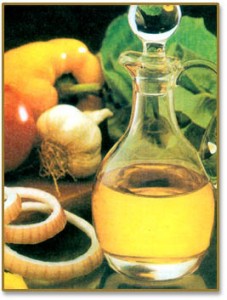
how to say “oil” and “fat” in Hebrew


גבורה Given the events of the weekend over here in Israel (see articles in Hebrew and in English), as well as the spirit of חֲנֻכָּה (khah-noo-KAH) – Hanukkah – I thought it appropriate to introduce the Hebrew word for heroism: גְּבוּרָה (ge-voo-RAH). A hero is a גִּבּוֹר (ghee-BOHR), while a heroine is a גִּבּוֹרָה (ghee-boh-RAH). …
לִשְׂמוֹחַ listen to this word pronounced Today was Purim in Jerusalem, so I’m just getting around to the word of the day now. You’ve all got the benefit of reading the product of my imagination as I’m sobering up – almost there, but not quite. In English, emotional reactions are typically adjectives…
[audioclip url=”https://archive.ulpan.com/wp-content/uploads/2021/03/לשפוך-#.m4a” /]לִשְׁפּוֹךְ, לְהִישָּׁפֵךְ The word לשפוך[audioclip url=”https://archive.ulpan.com/wp-content/uploads/2021/03/לשפוך-#.m4a” /], a פעל verb, is to spill something, as in: [audioclip url=”https://archive.ulpan.com/wp-content/uploads/2021/03/לשפוך-#.m4a” /]אוי, שפכתי את החלב על הרצפה! Oh no, I spilled the milk on the floor! But that’s when we actively spill something. The thing that gets spilled is נשפך[audioclip url=”https://archive.ulpan.com/wp-content/uploads/2021/03/לשפוך-#.m4a” /] (if it’s grammatically masculine), as in:…
[audioclip url=”https://archive.ulpan.com/wp-content/uploads/2018/06/כמה-#.m4a” /]כַּמָּה Technically, this word is supposed to be pronounced with an emphasis on the last syllable: כַּמָּה[audioclip url=”https://archive.ulpan.com/wp-content/uploads/2018/06/כמה-#.m4a” /]. But the sweeping majority of Israelis will look at you funny if you try saying it that way in a sentence, instead, put the emphasis on the first syllable: כמה[audioclip url=”https://archive.ulpan.com/wp-content/uploads/2018/06/כמה-#.m4a” /]. The word…
[audioclip url=”https://archive.ulpan.com/wp-content/uploads/2014/10/חיי-היומיום-1.m4a” /]חַיֵּי הַיּוֹמְיוֹם So far this week we’ve focused on two expressions using the word חיים[audioclip url=”https://archive.ulpan.com/wp-content/uploads/2014/10/חיי-היומיום-2.m4a” /] – life. Day-to-day life, in, Hebrew, is חיי היומיום[audioclip url=”https://archive.ulpan.com/wp-content/uploads/2014/10/חיי-היומיום-1.m4a” /] – literally, life of the day-to-day. חיי[audioclip url=”https://archive.ulpan.com/wp-content/uploads/2014/10/חיי-היומיום-3.m4a” /] is the form of חיים when attached to another word in an of relationship (the construct state). For example: [audioclip url=”https://archive.ulpan.com/wp-content/uploads/2014/10/חיי-היומיום-4.m4a” /]חיי…