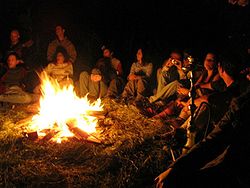
How to say “bonfires” in Yiddish and Hebrew


[audioclip url=”https://archive.ulpan.com/wp-content/uploads/2014/10/צרעה-1.m4a” /]צִרְעָה The Hebrew word for a bee is דבורה[audioclip url=”https://archive.ulpan.com/wp-content/uploads/2014/10/צרעה-2.m4a” /]. But the larger, perhaps more intimidating species is צרעה[audioclip url=”https://archive.ulpan.com/wp-content/uploads/2014/10/צרעה-1.m4a” /] – wasp or hornet (which is also called a דבור[audioclip url=”https://archive.ulpan.com/wp-content/uploads/2014/10/צרעה-3.m4a” /]). Though in Biblical Hebrew this insect appears in the generic plural form הצרעה[audioclip url=”https://archive.ulpan.com/wp-content/uploads/2014/10/צרעה-4.m4a” /], Modern Hebrew uses the plural form צרעות[audioclip url=”https://archive.ulpan.com/wp-content/uploads/2014/10/צרעה-5.m4a”…
[audioclip url=”https://archive.ulpan.com/wp-content/uploads/2015/05/להתעורר-1.m4a” /]לְהִתְעוֹרֵר To get up – the simple verb לקום[audioclip url=”https://archive.ulpan.com/wp-content/uploads/2015/05/להתעורר-2.m4a” /] – is used far more often than the reflexive להתעורר[audioclip url=”https://archive.ulpan.com/wp-content/uploads/2015/05/להתעורר-1.m4a” /] – to wake up. I believe the same is true in English, so that you’re more likely to hear or ask: [audioclip url=”https://archive.ulpan.com/wp-content/uploads/2015/05/להתעורר-3.m4a” /]מתי את קמה בבוקר? When do you get…
חֹמֶר לְשִׁנּוּן[audioclip url=”https://archive.ulpan.com/wp-content/uploads/2014/10/review-1.mp3″ /] Review Material Can’t read Hebrew yet? You spent time on your Hebrew this week. Use these review materials to make it yours to keep. Flashcards . Scatter . Gravity . Test [audioclip url=”https://archive.ulpan.com/wp-content/uploads/2014/10/review-2.mp3″ /]שבת שלום, וסוף שבוע נעים! Shabbat Shalom, and have a nice weekend!
having trouble seeing the print? שְׁלוּלִית Check out our world-class conversational Hebrew program It’s finally been raining here in Jerusalem. The other night, dodging puddles as I walked through the neighborhoods of south Jerusalem, I couldn’t help but smile as I was reminded of this great song, written by Mira Meir and performed by Rabbi Shlomo Carlebach, as well as…
[audioclip url=”https://archive.ulpan.com/wp-content/uploads/2020/04/לאלתר-#.m4a” /]לְאַלְתֵּר The Hebrew word for to improvise is לאלתר[audioclip url=”https://archive.ulpan.com/wp-content/uploads/2020/04/לאלתר-#.m4a” /], a פיעל verb of the four-letter root א.ל.ת.ר[audioclip url=”https://archive.ulpan.com/wp-content/uploads/2020/04/לאלתר-#.m4a” /]. For example: [audioclip url=”https://archive.ulpan.com/wp-content/uploads/2020/04/לאלתר-#.m4a” /]כשאין ברירה, חייבים לאלתר. When there’s no choice, we must improvise. You may be thinking, what kind of Hebrew verb has a four-letter root? Don’t they all have…
[audioclip url=”https://archive.ulpan.com/wp-content/uploads/2014/10/בעולם-1.m4a” /]הֲכִי טוֹב בָּעוֹלָם, הַטּוֹב בְּיוֹתֵר בָּעוֹלָם There are two ways of saying the best in Hebrew: הכי טוב[audioclip url=”https://archive.ulpan.com/wp-content/uploads/2014/10/בעולם-2.m4a” /] is the common way. טוב[audioclip url=”https://archive.ulpan.com/wp-content/uploads/2014/10/בעולם-3.m4a” /] changes form depending on what is spoken of as the best. For example: [audioclip url=”https://archive.ulpan.com/wp-content/uploads/2015/05/יום-עברית-3.m4a” /]אלה הנעליים הכי טובות. These are the best shoes. הטוב ביותר[audioclip url=”https://archive.ulpan.com/wp-content/uploads/2014/10/בעולם-5.m4a” /] is…