A Word Per Decade
In honor of יום העצאמות[audioclip url=”https://archive.ulpan.com/wp-content/uploads/2020/04/YH-2020-#.m4a” /] – Independence Day 2020, here’s a word for each full decade of the State of Israel… and one for good luck.
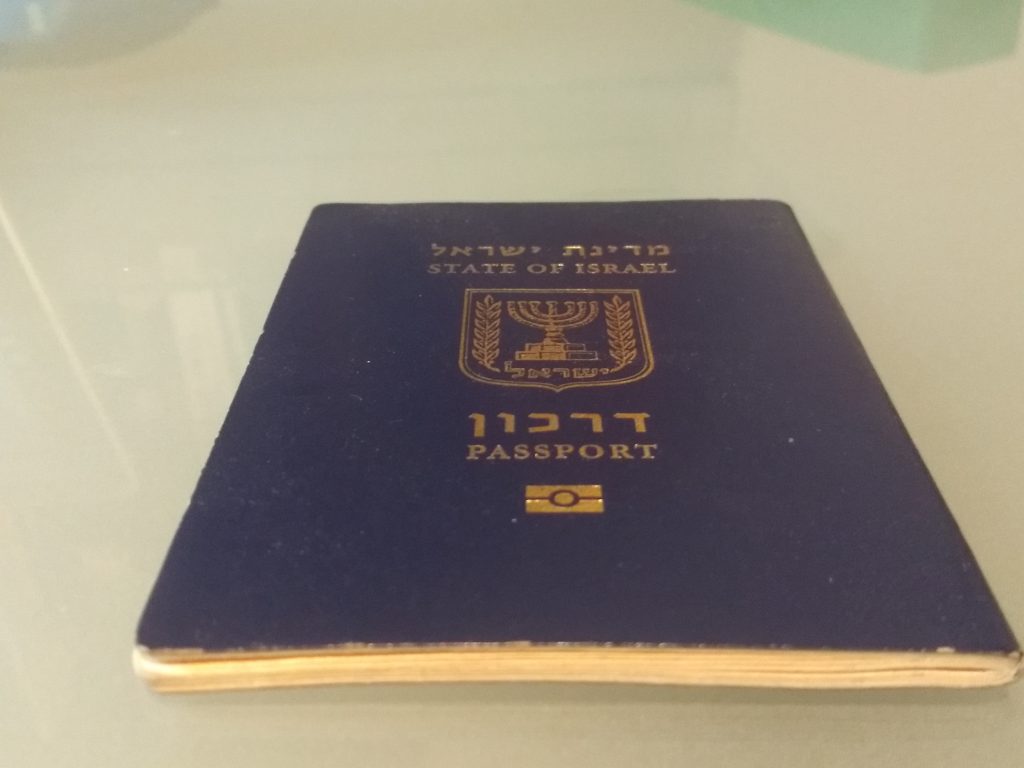
דרכון[audioclip url=”https://archive.ulpan.com/wp-content/uploads/2020/04/YH-2020-#.m4a” /] – passport
1950s
As soon as the State was established, Israelis started traveling abroad. In the 50s people still used the word פספורט[audioclip url=”https://archive.ulpan.com/wp-content/uploads/2020/04/YH-2020-#.m4a” /]to refer to this all-important travel document, but slowly the word דרכון[audioclip url=”https://archive.ulpan.com/wp-content/uploads/2020/04/YH-2020-#.m4a” /] came into use.
Note the root of דרכון – the word דרך[audioclip url=”https://archive.ulpan.com/wp-content/uploads/2020/04/YH-2020-#.m4a” /], way.
1960s
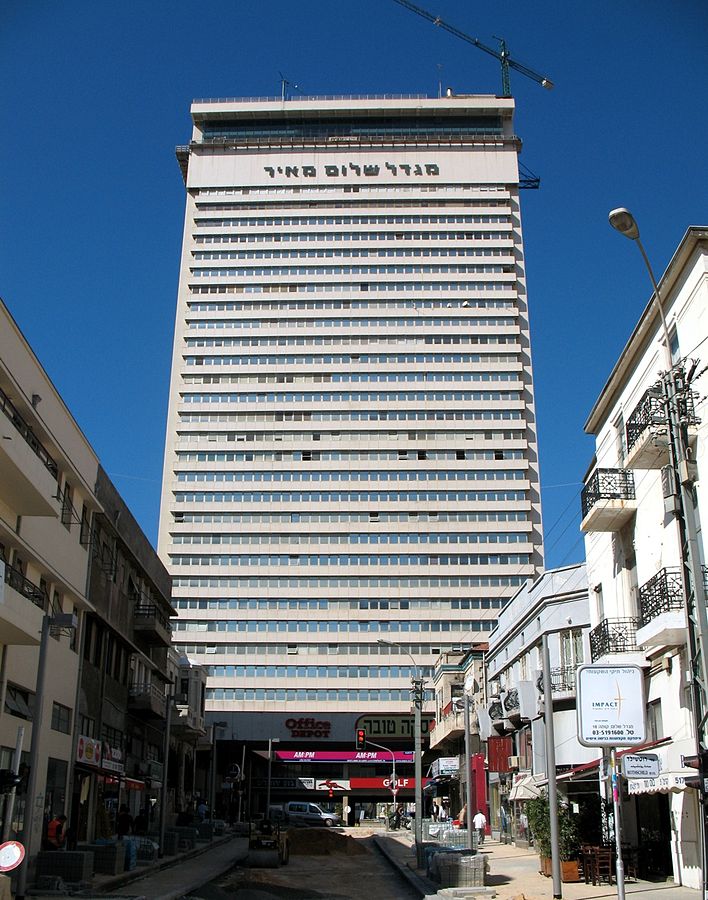
מגדל שלום[audioclip url=”https://archive.ulpan.com/wp-content/uploads/2020/04/YH-2020-#.m4a” /] (the Shalom Tower) in Tel Aviv, Israel’s first skyscraper – גורד שחקים[audioclip url=”https://archive.ulpan.com/wp-content/uploads/2020/04/YH-2020-#.m4a” /] – was dedicated in 1965.
גורד שחקים literally means scraping skies, a term so obviously borrowed from foreign languages that it came under criticism for being unoriginal.
גורד שחקים[audioclip url=”https://archive.ulpan.com/wp-content/uploads/2020/04/YH-2020-#.m4a” /] – skyscraper
גזעי[audioclip url=”https://archive.ulpan.com/wp-content/uploads/2020/04/YH-2020-#.m4a” /] – cool (not so cool anymore)

1970s
In the 70s, it was cool to call someone גזעי.[audioclip url=”https://archive.ulpan.com/wp-content/uploads/2020/04/YH-2020-#.m4a” /] But if you use it today, you’ll be considered old fashioned, sort of like saying gee, that’s groovy! What’s more, if you confuse גזעי with גזעני[audioclip url=”https://archive.ulpan.com/wp-content/uploads/2020/04/YH-2020-#.m4a” /], you will have called someone a racist.
Better options in contemporary Hebrew are מגניב[audioclip url=”https://archive.ulpan.com/wp-content/uploads/2020/04/YH-2020-#.m4a” /] (a Hebraized version of the French magnifique), משגע[audioclip url=”https://archive.ulpan.com/wp-content/uploads/2020/04/YH-2020-#.m4a” /] (makes one crazy – in a good way) and גדול[audioclip url=”https://archive.ulpan.com/wp-content/uploads/2020/04/YH-2020-#.m4a” /] (simply large or grand).
1980s
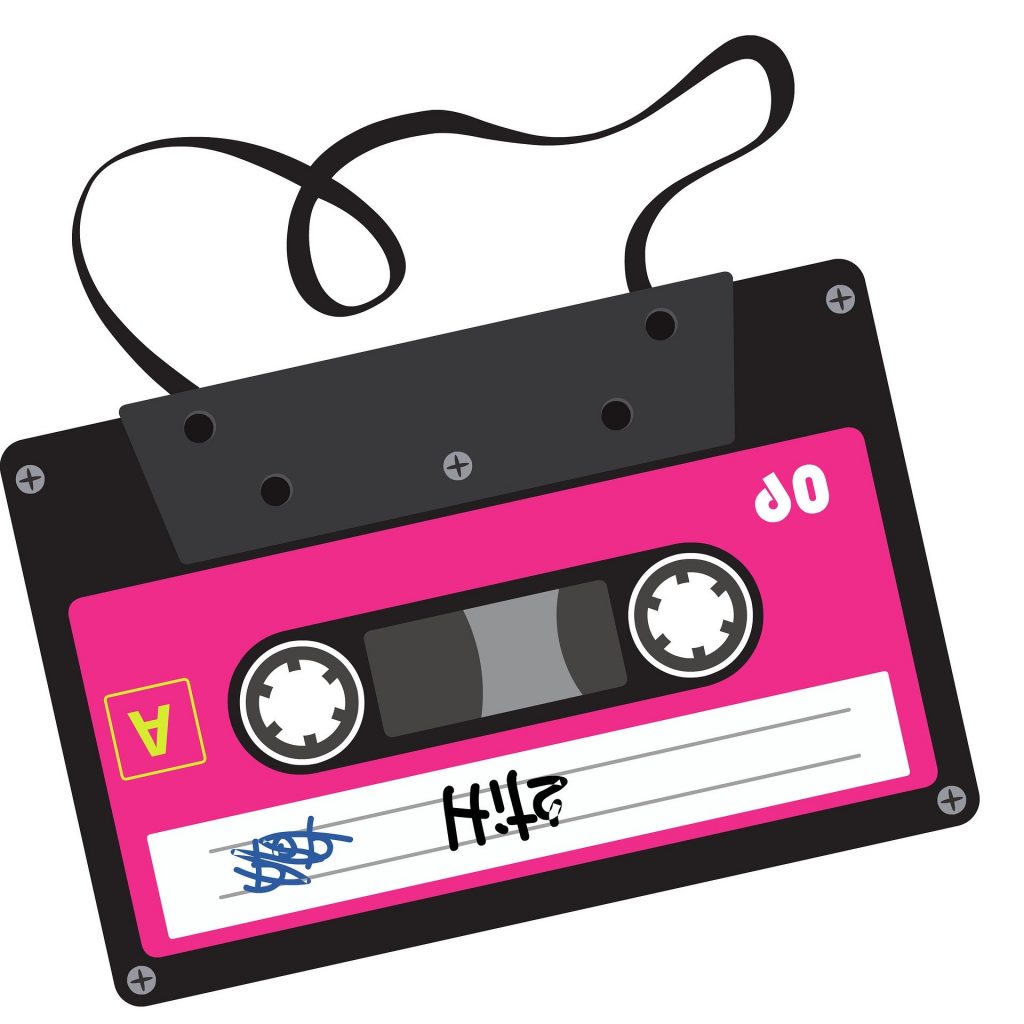
First there was the תקליט[audioclip url=”https://archive.ulpan.com/wp-content/uploads/2020/04/YH-2020-#.m4a” /] – the vinyl record. Then, in the 80s, the קלטת[audioclip url=”https://archive.ulpan.com/wp-content/uploads/2020/04/YH-2020-#.m4a” /][audioclip url=”https://archive.ulpan.com/wp-content/uploads/2020/04/YH-2020-#.m4a” /]became the medium for playing recorded music. In the 90s arose the דיסק[audioclip url=”https://archive.ulpan.com/wp-content/uploads/2020/04/YH-2020-#.m4a” /] (CD – compact disc), with Israelis refusing to adopt the term developed by the Academy of the Hebrew Language, תקליטור. All of these terms (with the exception of דיסק) come from the root ק.ל.ט[audioclip url=”https://archive.ulpan.com/wp-content/uploads/2020/04/YH-2020-#.m4a” /] meaning asborb or record.
קלטת[audioclip url=”https://archive.ulpan.com/wp-content/uploads/2020/04/YH-2020-#.m4a” /] – cassette
מרשתת[audioclip url=”https://archive.ulpan.com/wp-content/uploads/2020/04/YH-2020-#.m4a” /] – Internet

1990s
Here’s another word that never caught on: מרשתת[audioclip url=”https://archive.ulpan.com/wp-content/uploads/2020/04/YH-2020-#.m4a” /], the official Hebrew word for internet (the preferred term is אינטרנט[audioclip url=”https://archive.ulpan.com/wp-content/uploads/2020/04/YH-2020-#.m4a” /]). If you use מרשתת in a sentence with an Israeli, there’s a 20% chance they’ll know what you’re talking about.
This word bases itself on רשת[audioclip url=”https://archive.ulpan.com/wp-content/uploads/2020/04/YH-2020-#.m4a” /] – net.
2000s
The Hebrew word for desalination – התפלה[audioclip url=”https://archive.ulpan.com/wp-content/uploads/2020/04/YH-2020-#.m4a” /][audioclip url=”https://archive.ulpan.com/wp-content/uploads/2020/04/YH-2020-#.m4a” /]- is downright ingenious in its simplicity, and a beautiful blend of the ancient and the modern. Its root is the ancient word תפל – without salt – plugged into the causative הפעיל verb structure, so that התפלה means causing (water to be) saltless.
התפלה[audioclip url=”https://archive.ulpan.com/wp-content/uploads/2020/04/YH-2020-#.m4a” /] – desalination

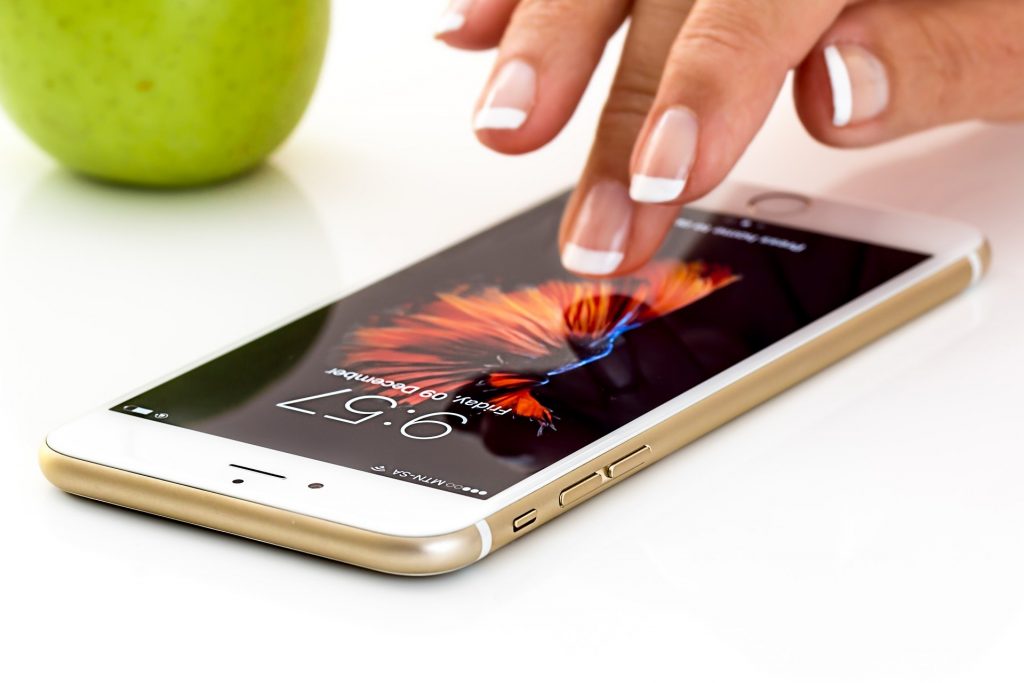
יישומון[audioclip url=”https://archive.ulpan.com/wp-content/uploads/2020/04/YH-2020-#.m4a” /] – (phone) application
2010s
While most Israelis use אפליקציה[audioclip url=”https://archive.ulpan.com/wp-content/uploads/2020/04/YH-2020-#.m4a” /] to refer to a phone app, the Academy of the Hebrew Language invented יישומון (of the root ש.י.מ[audioclip url=”https://archive.ulpan.com/wp-content/uploads/2020/04/YH-2020-#.m4a” /] meaning to put or to apply), which government ministries use in their official announcements. מסרון[audioclip url=”https://archive.ulpan.com/wp-content/uploads/2020/04/YH-2020-#.m4a” /] is the proper term for text message or SMS, and while you’re more likely to hear a typical Israeli using it than יישומון, the preferred term is still סמס[audioclip url=”https://archive.ulpan.com/wp-content/uploads/2020/04/YH-2020-#.m4a” /].
2020
In the wake of Covid-19, the Academy of the Hebrew Language was approached with lots of suggested names for the pandemic. The Academy decided, however, not to give this particular brand of corona viruses a Hebrew name, since it’s just one of many similar viruses. We’ll just have to keep calling it קורונה[audioclip url=”https://archive.ulpan.com/wp-content/uploads/2020/04/YH-2020-#.m4a” /].
קורונה[audioclip url=”https://archive.ulpan.com/wp-content/uploads/2020/04/YH-2020-#.m4a” /] – Covid-19