
how to say “myself” in Hebrew
having trouble seeing the print?

The Hebrew word עֶצֶם (EH-tsem) means, literally, bone. In Biblical Hebrew, the word עַצְמִי (ahts-MEE) means only my bone or my bones. It is used figuratively in the expression עַצְמִי וּבְשָׂרִי (ahts-MEE oo-veh-sah-REE) – literally, my bone and my flesh – equivalent the expression in English, my flesh and blood (a relative). So עצמי, already in Biblical times, meant myself.
In later Hebrew and through today, עצם is the common word to express the concept of self or essence. The Talmud, for instance (and in a departure from Babylonian Aramaic, back to Hebrew) states the rule: אָדָם קָרוֹב אֵצֶל עַצְמו (ah-DAHM kah-ROHV EH-tsel ahts-MOH) – a person is close to him/herself, meaning that a person cannot be held trustworthy in court to testify on his own behalf, since he may be too concerned about protecting himself to speak truthfully.
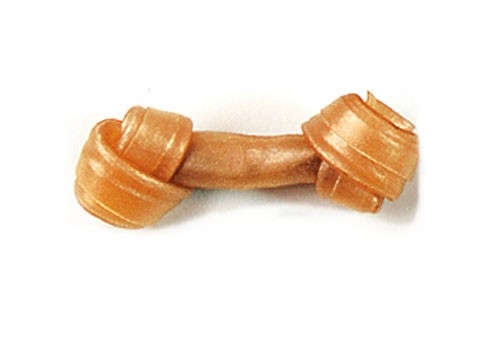
We don’t use the word אצל in conjunction with עצם in Modern Hebrew. Rather, we use אֶת. For example, אָדָם צָרִיךְ לֶאֱהוֹב אֶת עַצְמו (ah-DAHM tsah-REEKH leh-eh-HOHV et ahts-MOH) – a person must love him/herself. And if they don’t, they should throw themselves an עצם anyway.
Other declensions of עצם meaning self are:
Hebrew vocabulary with…

