how to say “Biblical Hebrew” in Hebrew


having trouble seeing the print?
עִבְרִית מִקְרָאִית


The Torah portion to be read this Shabbat by Jews around the world features the Biblical version of the origin of the many human languages. So I thought now would be a good time to feature an entry on Biblical Hebrew, right here on Ktzat Ivrit.

Though עִבְרִית תַּנָּכִית (eev-REET tah-nah-KHEET), the latter word deriving from the abbreviation, תנ”ך – תּוֹרָה, נְבִיאִים, כְּתוּבִים (tah-NAHKH – toh-RAH, neh-vee-EEM, keh-too-VEEM) also means Biblical Hebrew, the more proper term is עִבְרִית מִקְרָאִית.
מקרא


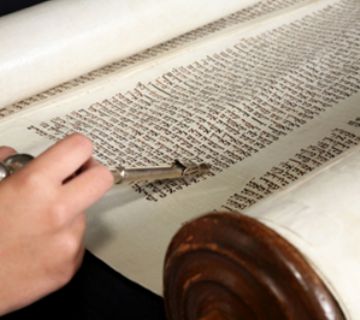
מקראית comes from the root ק.ר.א (k.r.a), meaning reading or calling out. In Biblical times, these actions were often one and the same – at public religious gatherings, those who knew how to read would call out the text so that the masses could hear it without having to hold a rare, expensive scroll in their hands that they probably never learned to read anyway.

מִקְרָא (meek-RAH) means scripture, or that which is read or called out. In Biblical times, מקרא referred to the special times of year that were called out or announced as holy, but today the word is reserved for the holy scriptures of the Bible. 

Thus מקראית and its masculine version, מִקְרָאִי (meek-rah-EE) mean scriptural… or Biblical. And עברית מקראית means Biblical Hebrew.

Make this dose of Hebrew yours by using it in a sentence. You can write your sentence on the wall of our Facebook page, and we’ll correct it for you if it’s got errors.
You can further build your
Hebrew vocabulary with…
with a special discount for
Ktzat Ivrit enthusiasts like yourself

Similar Posts

  • daily video – how to say “yearly” in Hebrew

    To slow down the audio or to turn on captions (CC), start playing the video and then click the settings icon ⚙️. LEARNING TIPS Hebrew beginners Watch with English captions a few times, then with Hebrew captions, then without captions, and see what you understand. Intermediate learners Watch without captions, pausing to write down what...
  • how to say “board’ (not “bored”, “board”) in Hebrew

      having trouble seeing the print? לוּחַ Tradition has it that חַג הַשָּׁבֻעוֹת – the Shavuot festival – marks the anniversary of the giving of the Torah at Mount Sinai. And the Torah – הַתּוֹרָה – was given on tablets – not the kind you swallow (that’s a כַּדּוּר ), but the kind made of stone.   The word the תורה…

  • how to say “can’t complain” in Hebrew

    [audioclip url=”https://archive.ulpan.com/wp-content/uploads/2015/05/אין-תלונות-1.m4a” /]אֵין תְּלוּנוֹת If you’ve been in Israel long enough, you certainly know the word for to complain – להתלונן[audioclip url=”https://archive.ulpan.com/wp-content/uploads/2015/05/אין-תלונות-2.m4a” /]. This word too goes as far back as Biblical Hebrew. A modern example: [audioclip url=”https://archive.ulpan.com/wp-content/uploads/2015/05/אין-תלונות-3.m4a” /]הוא לא מפסיק להתלונן. He doesn’t stop complaining. A complaint – both formal (to the police, for example) or…

  • how to say “to conceal” in Hebrew

    having trouble seeing the print? לְהַסְתִּיר Interact with YDDH on Facebook! The Talmud connects the name of the Purim story’s heroine, אֶסְתֵּר  – Esther – with the concept of concealment, the root of which is ס.ת.ר (s.t.r). Here’s a Wikipedia article containing various explanations for the name of אסתר. Deriving from the ס.ת.ר root, we have the verb…

  • how to say “to walk around” in Hebrew

    [audioclip url=”https://archive.ulpan.com/wp-content/uploads/2019/08/להסתובב-#.m4a” /]לְהִסְתּוֹבֵב As we saw yesterday, לטייל[audioclip url=”https://archive.ulpan.com/wp-content/uploads/2019/08/להסתובב-#.m4a” /] means to travel leisurely. And indeed: [audioclip url=”https://archive.ulpan.com/wp-content/uploads/2019/08/להסתובב-#.m4a” /]אפשר לטייל בשכונה. One can travel leisurely/walk around the neighborhood. But a more common word for walking around is להסתובב[audioclip url=”https://archive.ulpan.com/wp-content/uploads/2019/08/להסתובב-#.m4a” /] – literally, to turn around. For example: [audioclip url=”https://archive.ulpan.com/wp-content/uploads/2019/08/להסתובב-#.m4a” /]שרה, בואי נסתובב קצת כאן בטיילת. Sarah, let’s…

  • how to say “equal” in Hebrew

    [audioclip url=”https://archive.ulpan.com/wp-content/uploads/2015/05/שווה-1-1.m4a” /]שָׁוֶה The Hebrew word for equal is שוֶה[audioclip url=”[audioclip url=”https://archive.ulpan.com/wp-content/uploads/2015/05/שווה-1-1.m4a” /]  in the masculine and שוָה[audioclip url=”https://archive.ulpan.com/wp-content/uploads/2015/05/שווה-2-1.m4a” /] in the feminine. Here’s an example in the plural: [audioclip url=”[audioclip url=”https://archive.ulpan.com/wp-content/uploads/2015/05/שווה-3-1.m4a” /] ניתן לשלם את הארנונה בשנים עשר תשלומים שווים. One may pay property tax in twelve equal payments. שווה is also used in slang to mean worthwhile or great….