how to say “to faint” in Hebrew
having trouble seeing the print?
Learn to speak Hebrew with us:
 |
| this week’s video dose of Hebrew! |
The Modern-Hebrew word for to faint is לְהִתְעַלֵּף , a reflexive-intensive הִתְפַּעֵל verb of the root ע.ל.פ (a.l.p).
For example:
Yet in the Biblical Hebrew of the Torah portion to be read this week by Jews around the world, להתעלף means to disguise oneself:
(בְּרֵאשִׁית ל”ח: י”ד)
And she removed her widow’s clothing from upon her, and she covered (herself) with the scarf and she disguised herself… (Genesis 33:14)
Is there a relationship between להתעלף to faint and להתעלף to disguise oneself? If so, what is it?
I believe there is a relationship, partly because there’s another Biblical Hebrew root – almost identical to that of להתעלף – that means both to cover oneself and to grow faint/weak: ע.ט.פ (a.t.p): in Biblical Hebrew, לְהִתְעַטֵּף – a reflexive-intensive הִתְפַּעֵל verb – means to faint, while לַעֲטוֹף – an active-simple intensive הִתְפַּעֵל verb – means to cover or to wrap, as well as to faint or grow weak.
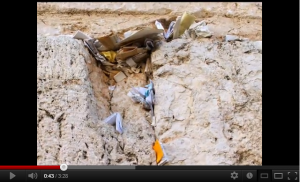
Here’s an example of לַעֲטוֹף, made familiar to many through this song:
Shabbat Shalom, and a pleasant weekend to all!
 Make this dose of Hebrew yours by using it in a sentence. You can write your sentence on the wall of our Facebook page, and we’ll correct it for you if it’s got errors.
  |
| with a special discount for Ktzat Ivrit enthusiasts like yourself |