
how to say “to wipe something dry” in Hebrew
having trouble seeing the print?
לְנַגֵּב
Yesterday, we saw that the Hebrew word for dessert – קִנּוּחַ – comes from the active-intensive פִּעֵל verb, לְקַנֵּחַ – one of the words for to wipe.
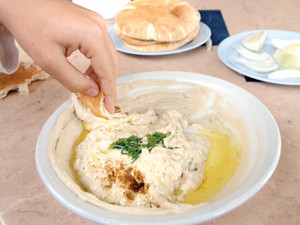 A more common word for to wipe is לְנַגֵּב , also a פִּעֵל verb. Unlike לקנח, however, לנגב implies wiping to the point of dryness.
For example:
אָחֲרֵי שֶׁרוֹחֲצִים יָדַיִם, טוֹב לְנַגֵּב אֹתָם.
After washing hands, (its) good to wipe them dry.
Eating hummus is sometimes called לְנַגֵּב חוּמוּס , since eaters tend to wipe their plates dry with pitta.
You may have noticed that the root of לנגב is נ.ג.ב (n.g.b), the same as that of the name of the Israeli desert (not dessert, desert), the Negev – הַנֶּגֶב . It’s not clear exactly what the etymology of נגב-Negev is, but one theory is that the נגב is a place that has “been wiped dry” of precipitation.
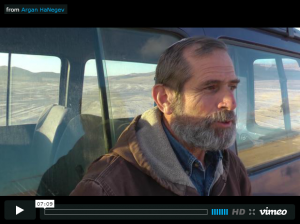
A couple living in the נגב is looking to change that, fulfilling David Ben Gurion’s vision of making the desert bloom – with people, vegetation, and a thriving economy. Check out their video.
נ.ג.ב is also the root of the Hebrew word for towel, מַגֶּבֶת .
Further build your Hebrew vocabulary with…
 |
| with a special discount for YDDH enthusiasts like yourself |
