
how to say “blocked number” in Hebrew
מִסְפָּר חָסוּם, מִסְפָּר חָסוּי

If you’re ready for some mini immersion, change your phone settings to Hebrew. It’s a great way of picking up some new vocabulary in the area of communications.
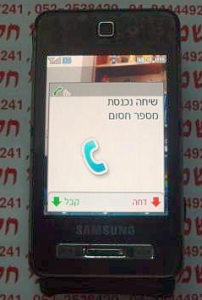
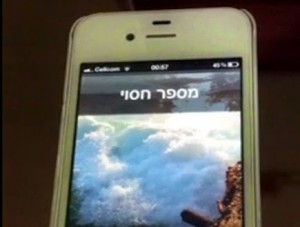
Whereas on an English screen, you might get a call from a “blocked” number, on a Hebrew screen you’ll see:
 |
|
מִסְפָּר חָסוּם
|
or
 |
|
מִסְפָּר חָסוּי
|
מספר חסום means literally, blocked number. The word חסום comes from the root ח.ס.מ (kh.s.m) meaning blocking, as does the word מַחְסוֹם – barrier or blockade.
comes from the root ח.ס.מ (kh.s.m) meaning blocking, as does the word מַחְסוֹם – barrier or blockade.מספר חסוי , in contrast, means literally, protected or confidential number. חסוי comes from the root ח.ס.ה (kh.s.h), meaning concealment. It’s the same root at מַחְסֶה , a flowery term meaning shelter that appears in the Biblical poem, Psalm 104, the psalm about which I’ve been told that Christian philosopher Immanuel Kant said that it’s worth studying Hebrew for ten years just to read in the original.
, in contrast, means literally, protected or confidential number. חסוי comes from the root ח.ס.ה (kh.s.h), meaning concealment. It’s the same root at מַחְסֶה , a flowery term meaning shelter that appears in the Biblical poem, Psalm 104, the psalm about which I’ve been told that Christian philosopher Immanuel Kant said that it’s worth studying Hebrew for ten years just to read in the original.For example, someone (they) called me from a blocked number would sound, in Hebrew, like one of the following:
הִתְקַשְּׁרוּ אֵלַי מִמִּסְפָּר חָסוּם.
or
הִתְקַשְּׁרוּ אֵלַי מִמִּסְפָּר חָסוּי.
