how to say “to mend” in Hebrew
Today I introduced a song by Ehud Banai to my Level 2 intensive class in Jerusalem. Two of the lines in the song go like this:
אָז תַּאֲמִין שֶׁאִם קִלְקַלְת – So believe that if you’ve damaged (ahz tah-ah-MEEN sheh-EEM keel-KAHL-tah)
אַתָּה יָכוֹל גָּם לְתַקֵּן, כֵּן, כֵּן – You can also mend, yes yes (ah-TAH yah-KHOHL gahm leh-tak-KEN, ken, ken)
לְקַלְקֵל (leh-kahl-KEL) means to damage, to ruin something. It’s possible לקלקל a relationship.
But it’s also possible לְתַקֵּן (leh-tah-KEN) – to mend, to fix.
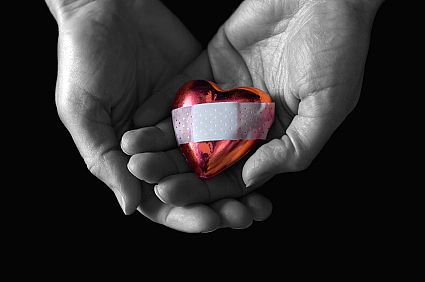
Attachment theory says that while a child will inevitably experience the pain of separation from the parent/caregiver, the question of whether or not the child’s attachment is secure depends on whether the parent/caregiver tries to לתקן the situation – whether s/he reestablishes the closeness after the separation, so that the child learns that s/he is still okay, even when separate.
I think it’s safe to say that we’ve all hurt someone before that’s close to us. That’s just life. But it’s also safe to say that we’re all capable of repairing connections that have become painful. I think this the essence of what Jews should be doing during the Three Weeks.
I’ve seen his amazing art at Hechal Shlomo and even acquired a piece myself.
It’s open throughout the summer.