
how to say “to legislate” in Hebrew
having trouble seeing the print?
לְחוֹקֵק
Never experienced Ulpan La-Inyan?
We’re offering free demo classes
throughout the summer.
The essential Hebrew word for law is חוֹק (khohk). Employing the root ח.ו.ק (kh.w.k) in a variation of an active-intensive פִּעֵל verb form, we get the word לְחוֹקֵק – to legislate or to create law (leh-khoh-KEK).https://ulpan.com/piel/.html
I say “variation” of the פיעל form, since לחוקק behaves like a פיעל in some ways and not in others (If you’re able to read Hebrew, you can get a sense of the פיעל structure here).
Here are the ways לחוקק is different from the regular פיעל form:
- The middle letter of the root, the ו (w), functions as the oh vowel instead of a consonant.
- The last letter of the root, the ק (k), is doubled – so that it appears as if the root is ח.ק.ק (kh.k.k) or ח.ו.ק.ק (kh.w.k.k).
- There is no דָּגֵשׁ (dah-GHESH) – emphasis – in the second root letter, since it’s a vowel, and vowels don’t get emphasized in Hebrew.
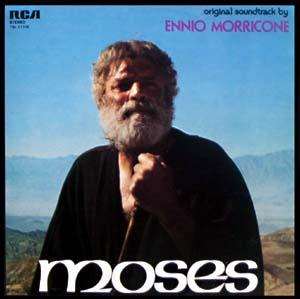 |
| Moses was called הַמְחוֹקֵק (hahm-khoh-KEK), the lawgiver. |
An example of this verb in action:
בֵּית הַמִּשְׁפָּט הָעֶלְיוֹן לֹא מְחוֹקֵק חֻקִּים.
The Supreme Court does not legislate laws.
(BEH-eet hah-meesh-PAHT hah-el-YOHN loh meh-khoh-KEK khoo-KEEM)
The word for legislation represents another deviation from the expected פיעל form – חֲקִיקָה (khah-KEE-kah) follows the vowel pattern of active-simple פָּעַל verbs, such as כְּתִיבָה – writing (keh-tee-VAH) and שְׁמִירָה – guarding (sheh-mee-RAH).
Truth is, this deviation from the פיעל doesn’t occur only with the word לחוקק. It occurs with any root whose middle letter is ו (w) or י (y).
For example,
לְקוֹמִם – to rise up (leh-koh-MEM), of the root ק.ו.מ (k.w.m)
לְשוֹרֵר – to write poetry (leh-shoh-REHR), of the root שׁ.י.ר (sh.y.r)
etc.
Further build your
Hebrew vocabulary with…
Hebrew vocabulary with…
 |
| with a special discount for Ulpan La-Inyan enthusiasts like yourself |
